Author: Jacek

  • Virginia Woolf’s London – A Literary Guide to the City (Part 2)

    London is enchanting. I step out upon a tawny coloured magic carpet, it seems, and get carried into beauty without raising a finger.

    Virginia Woolf Diary, 26 May 1924

    Virginia Woolf’s Bloomsbury: 46 Gordon Square and 29 Fitzroy Square

    Walking through Bloomsbury today, it is easy to see calm squares, elegant terraces, and university buildings. At the beginning of the twentieth century, however, this part of London represented something far more radical. For Virginia Woolf, moving here meant leaving behind the strict world of her upbringing and beginning a new life shaped by work, independence, and conversation.
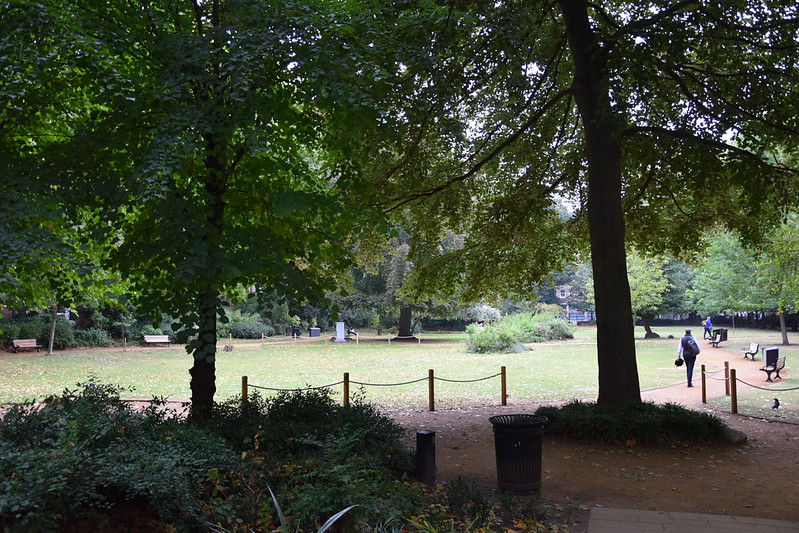
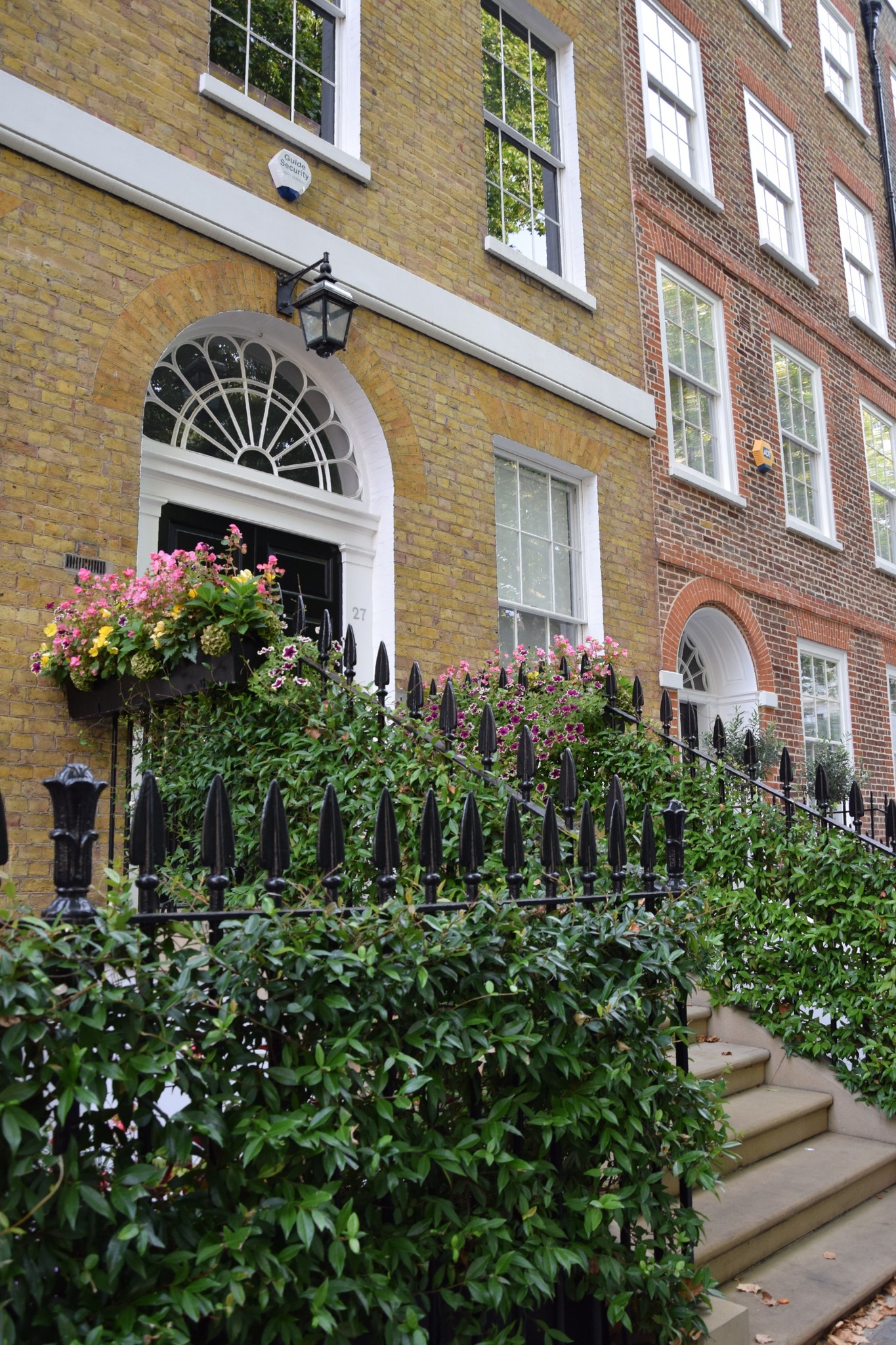
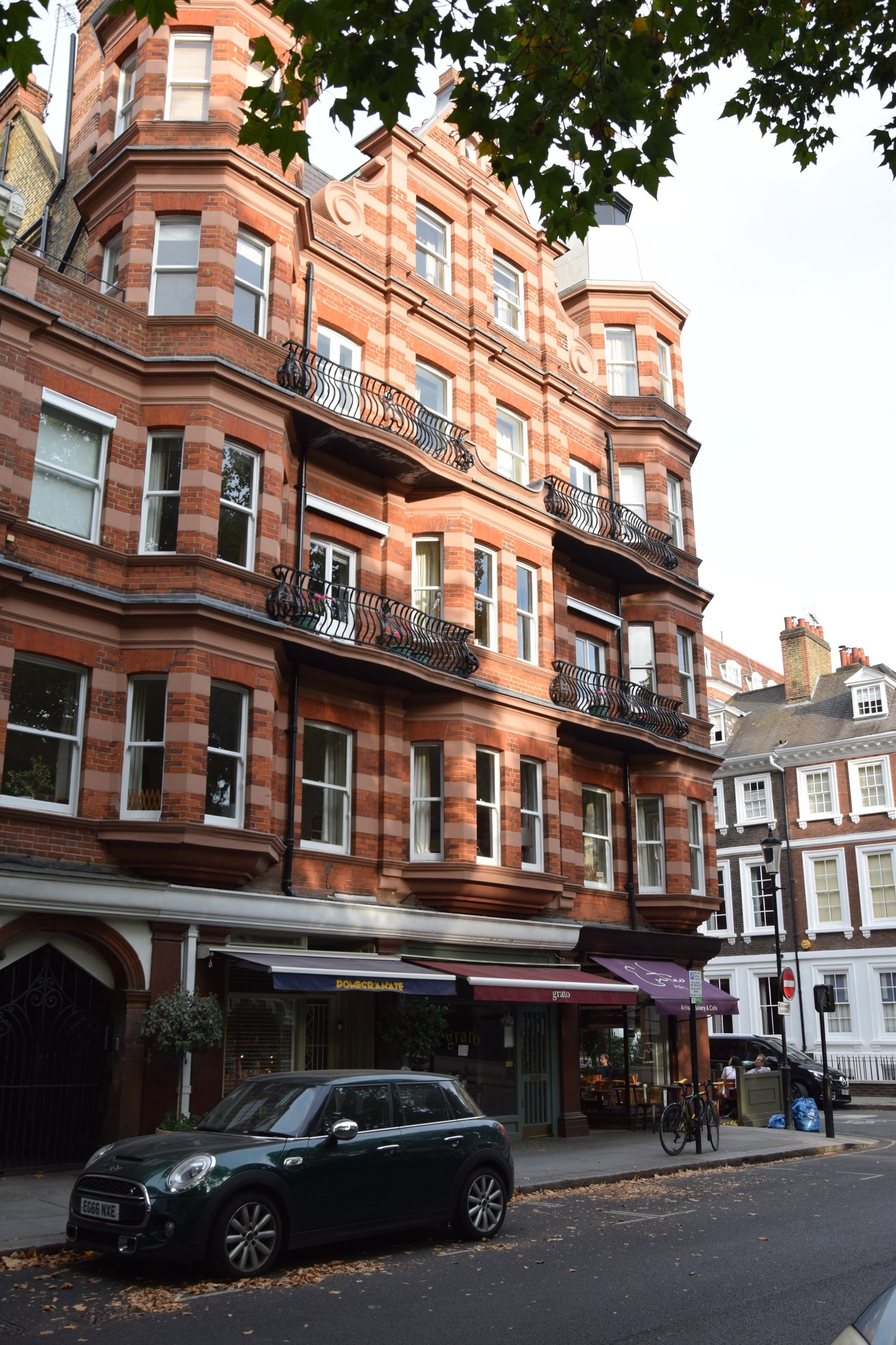
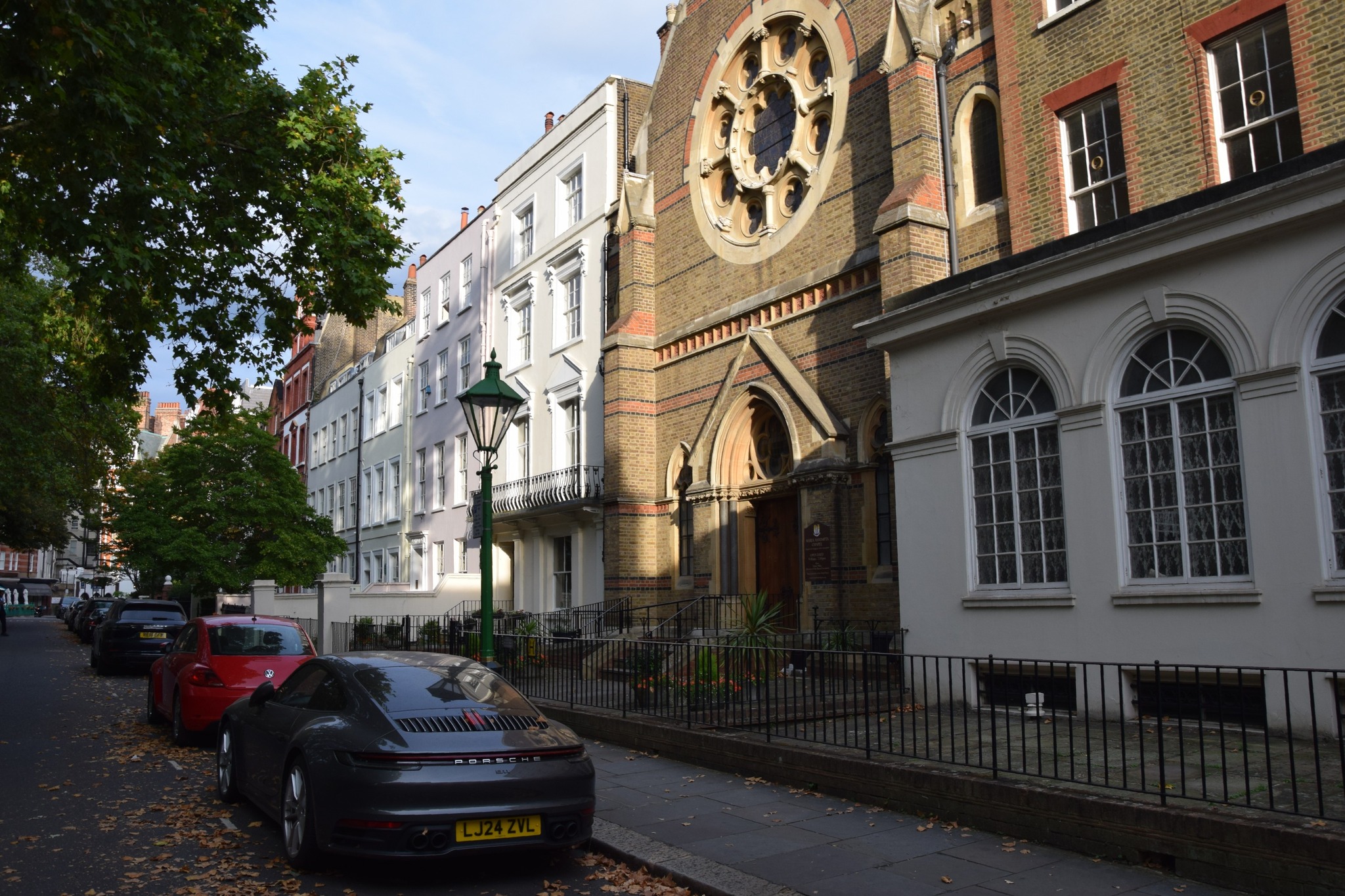
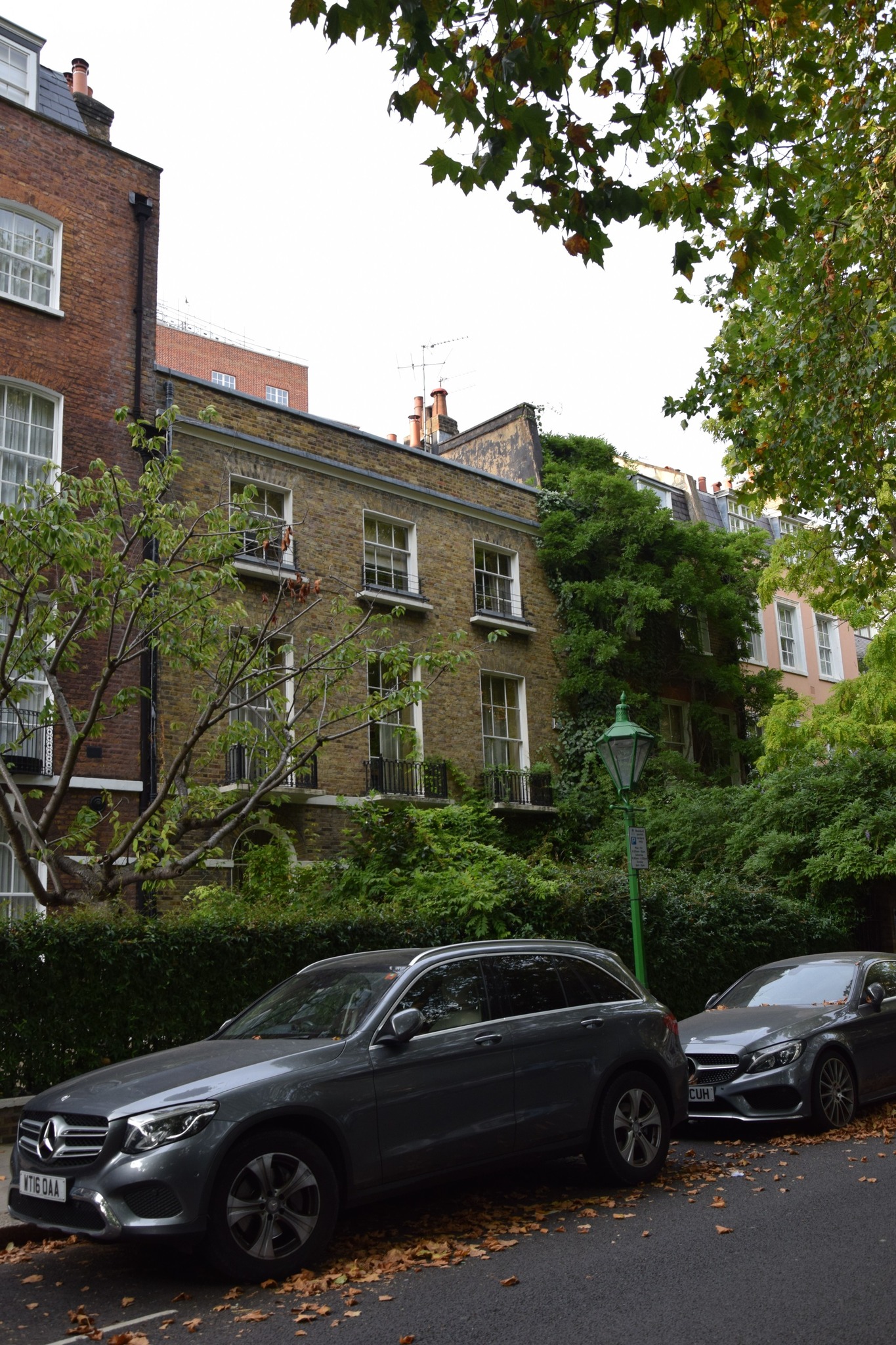
    Gordon Square, Bloomsbury, London
    Gordon Square, Bloomsbury, London

    Virginia grew up at Hyde Park Gate in Kensington, a respectable address that offered comfort but also imposed control. Family life there followed fixed rules, especially for women, and daily routines were shaped by duty and supervision. After the deaths of her parents, the house became emotionally heavy, filled with mourning and constant concern about Virginia’s health. Although she longed to return to books and writing, decisions about her life were often made by others. Over time, Hyde Park Gate came to represent a closed and restrictive world from which she needed to escape.

    That escape began with Bloomsbury.

    In the winter months preceding Leslie’s death, the decision had been taken for the Stephens to sell the gloomy house in Hyde Park Gate with all its associations and move to a Georgian terraced house in the less reputable but cheaper neighbourhood of Bloomsbury. Vanessa oversaw the move to 46 Gordon Square that October, while Virginia was staying with her Aunt Caroline Emelia Stephen at Cambridge, then with the Vaughan family at Giggleswick Hall, in Yorkshire. […] It was light and airy, clear from clutter, with a view across the trees in the square. […] There was an L-shaped sitting room on the first floor and Vanessa and Virginia had a study, with Thoby, who had just begun reading for the bar, settled on the ground floor. Virginia’s was equipped with a new sofa and desk, ready for her return. […] Dr Savage was concerned that Virginia should not return to London too soon, but the sisters overruled him and when Virginia arrived that November, she found the house ‘the most beautiful, the most exciting, the most romantic place in the world’. […] For the first time, paradoxically significant in preserving her freedom, Virginia had a lock on her bedroom door.

    Amy Licence, Living in Squares, Loving in Triangles: The Lives and Loves of Virginia Woolf and the Bloomsbury Group

    Gordon Square: light, freedom, and work begins (1905–1907)

    Although the Stephen siblings moved into Gordon Square in October 1904, Virginia did not join them immediately. After her father’s death earlier that year, she suffered a serious mental breakdown and, on medical advice, was kept away from London. Only in early 1905 was she considered well enough to return and begin her life in Bloomsbury.
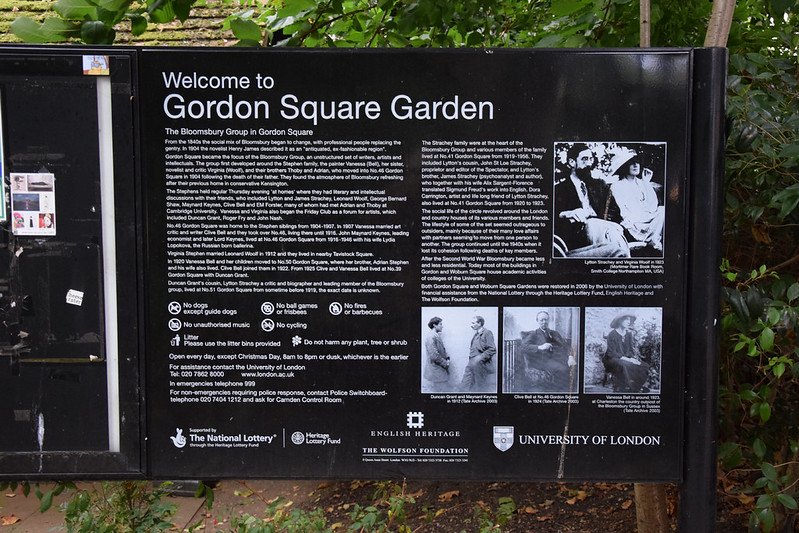
    Gordon Square, Bloomsbury, London
    Gordon Square, Bloomsbury, London

    Once settled at Gordon Square, Virginia lived with her sister Vanessa and her brothers Thoby and Adrian. For Virginia, the most important change was having a space of her own. For the first time in her life, she had rooms arranged entirely for reading and writing. From her upper-floor rooms, she looked out over the trees of the square, a view that became closely connected with her sense of freedom and creative possibility.
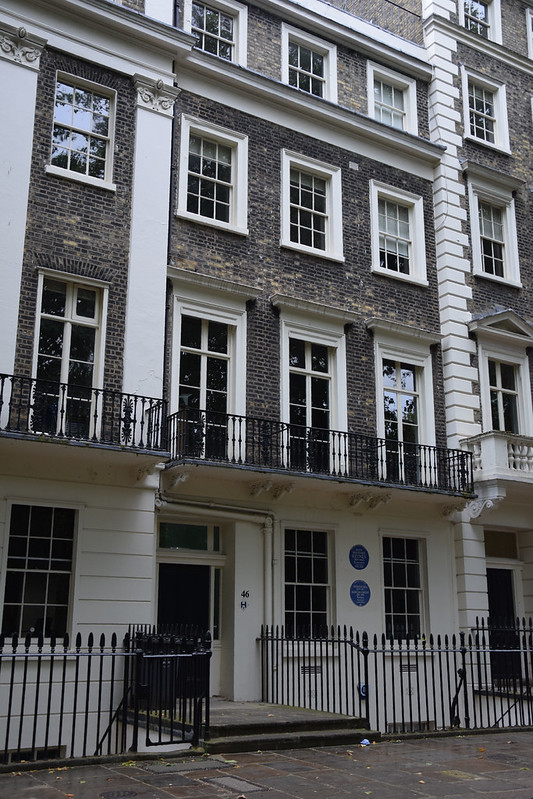
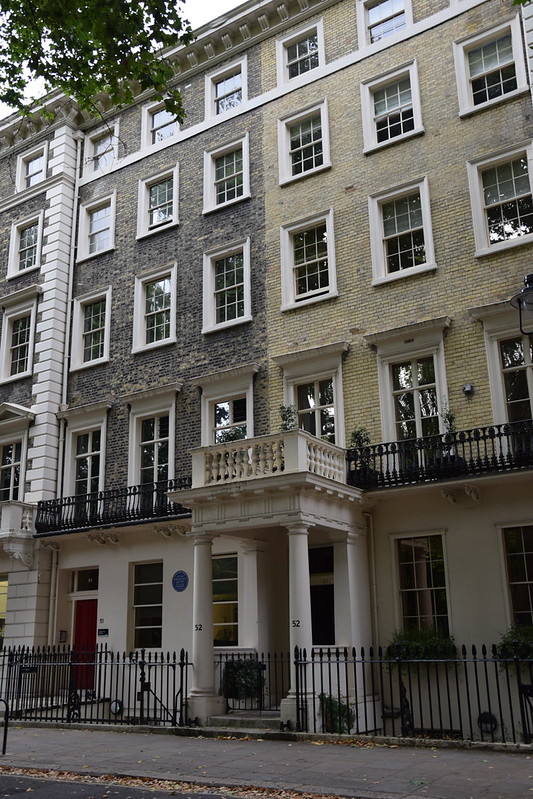
    46 Gordon Square, Bloomsbury, London, Virginia Woolf’s home, 1905-1907

    This new setting made sustained work possible. During her time at Gordon Square, Virginia began publishing regularly as a literary reviewer, especially for The Guardian. Writing reviews provided both income and discipline, helping her develop confidence and a professional identity. At the same time, she experimented with fiction, producing early short stories that explored the contrast between the respectable world she had left behind and the freer atmosphere of Bloomsbury.

    Alongside journalism, Virginia also taught at Morley College for working men and women. She lectured on books, art, and history, gaining experience in explaining ideas clearly and addressing audiences beyond her own social circle. Although the work was demanding, it gave structure to her days and broadened her understanding of readers and listeners.
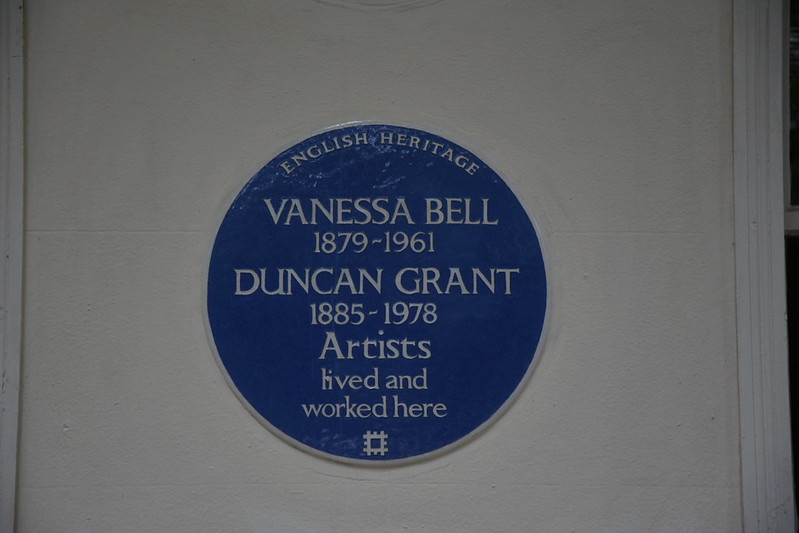
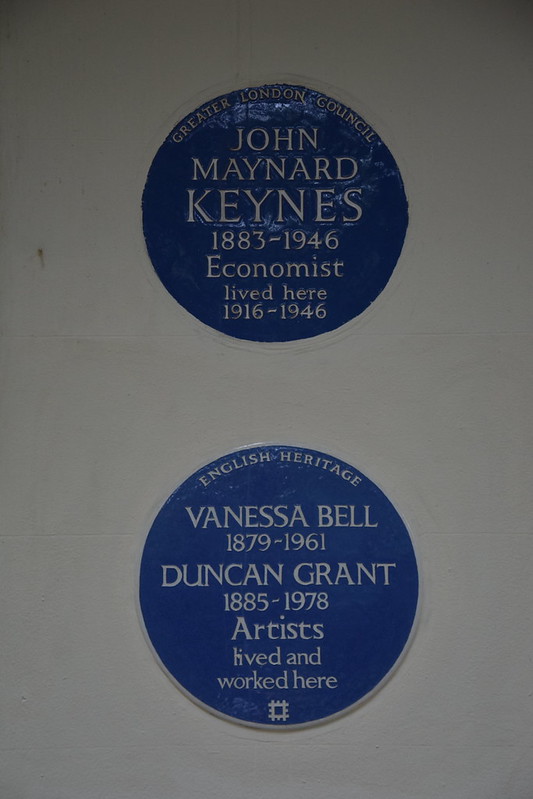
    Vanessa Bell and Duncan Grant plaque, 46 Gordon Square, Bloomsbury, London
    46 Gordon Square, Bloomsbury, London

    Daily life at Gordon Square supported this working rhythm. The siblings deliberately abandoned many social conventions they had grown up with. Formal visiting rituals disappeared, and life was organised around reading, writing, and discussion rather than obligation. Virginia also began walking alone through London, exploring streets, bookshops, galleries, lectures, and concerts. These walks sharpened her attention to everyday urban life and later became an important element of her writing.
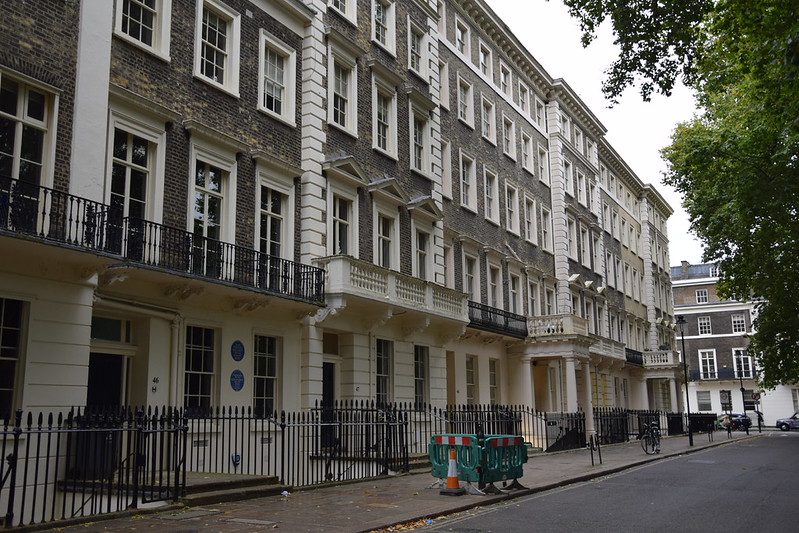
    46 Gordon Square, Bloomsbury, London, Virginia Woolf’s home, 1905-1907
    46 Gordon Square, Bloomsbury, London – where Virginia Woolf lived from 1905 to 1907

    It was also at Gordon Square that the Bloomsbury Group began to take shape. Thoby Stephen, missing the intensity of Cambridge conversations, invited his friends to the house on Thursday evenings. These informal gatherings gradually became a regular meeting place for young writers and thinkers. Discussion focused on literature, philosophy, and ethical questions rather than social display. When artists later joined through Vanessa’s circle, Bloomsbury expanded beyond literature into visual art and design.
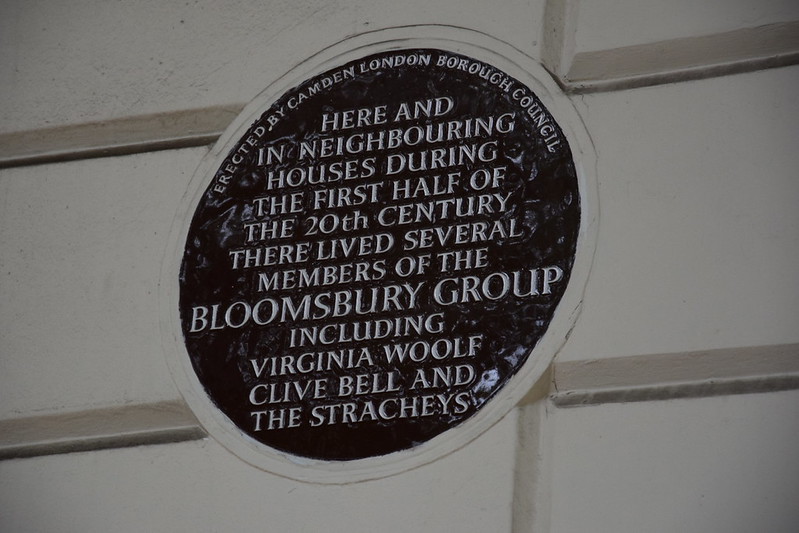
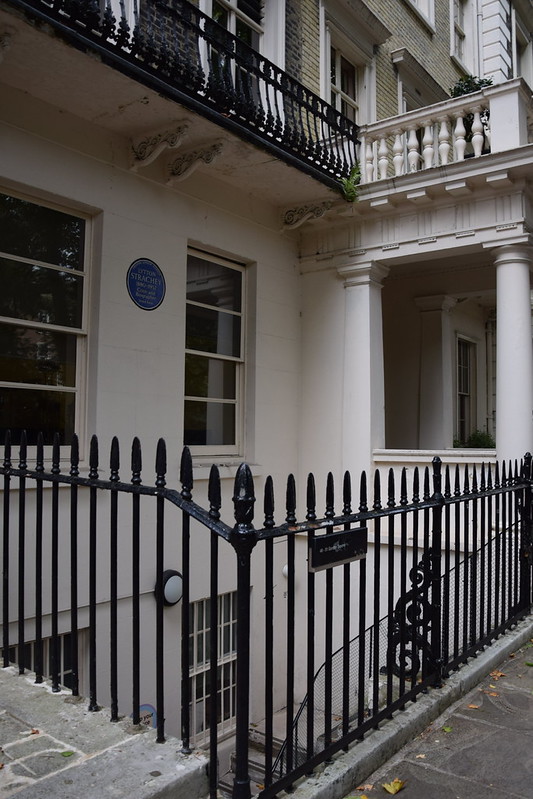
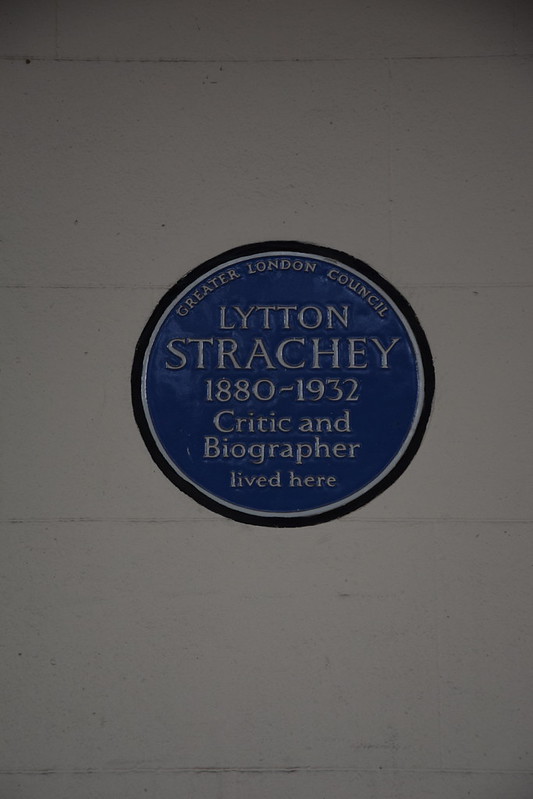
    Bloomsbury Group plaque, Gordon Square, London
    Bloomsbury Group plaque, Gordon Square, London – a place central to the formation of the Bloomsbury Group.

    The Gordon Square years were short but intense. In the autumn of 1906, the siblings travelled to Greece. Shortly after returning to London, Thoby fell ill and died on 20 November 1906. Only two days later, Vanessa accepted Clive Bell’s marriage proposal. The household that had supported shared beginnings and collective work could no longer remain unchanged.

    Fitzroy Square: independence, pressure, and the first novel (1907–1911)

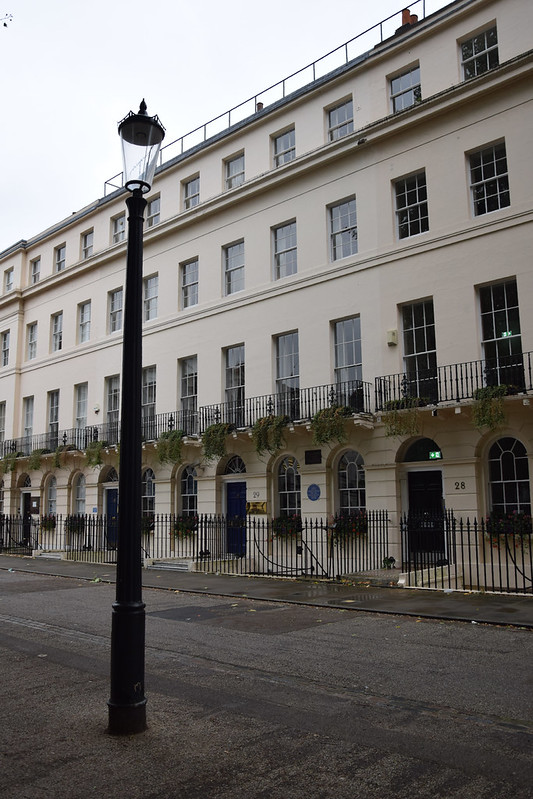
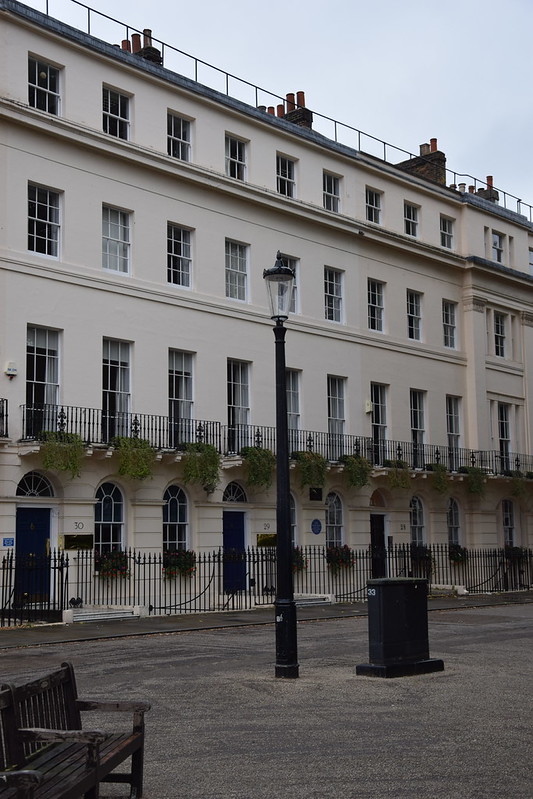
    In March 1907, Virginia and her younger brother Adrian moved to 29 Fitzroy Square, still within Bloomsbury but deliberately separate from Gordon Square. This move marked a new stage. Virginia was no longer part of a sibling household; she was now shaping her life more independently, both personally and professionally.
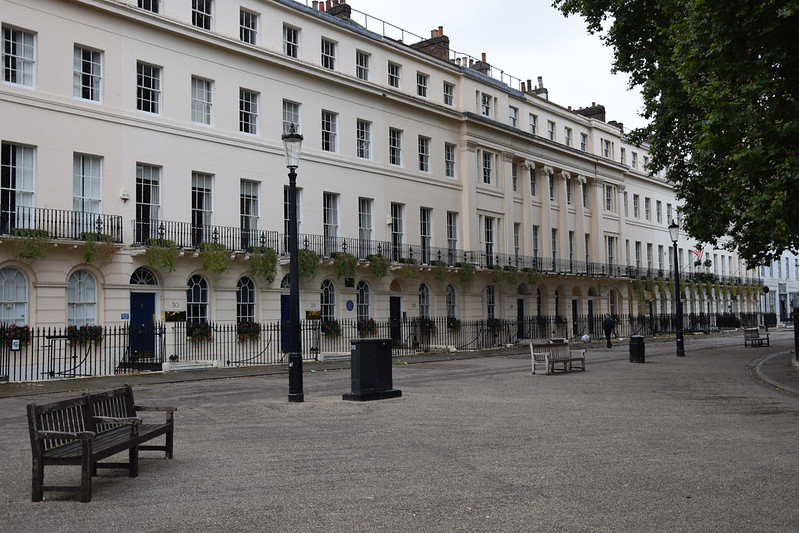
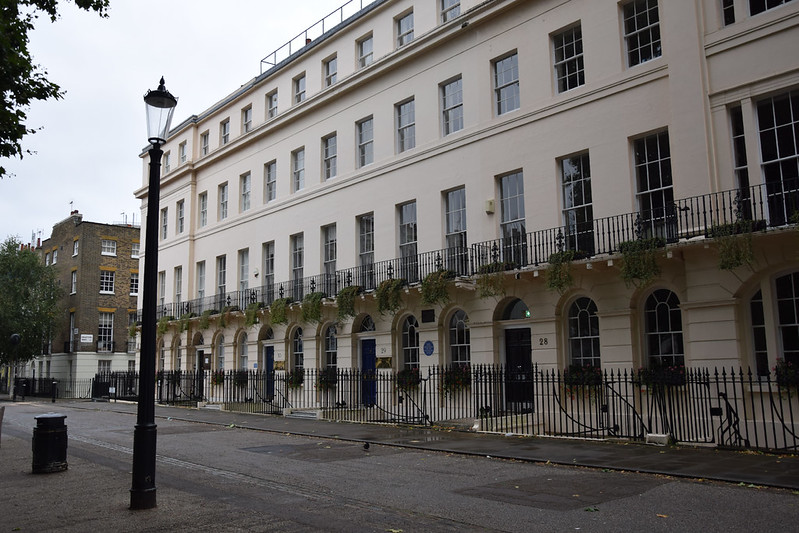
    Fitzroy Square, Bloomsbury, London - the house where Virginia Woolf lived from 1907 to 1911
    Fitzroy Square, Bloomsbury, London – the house where Virginia Woolf lived from 1907 to 1911

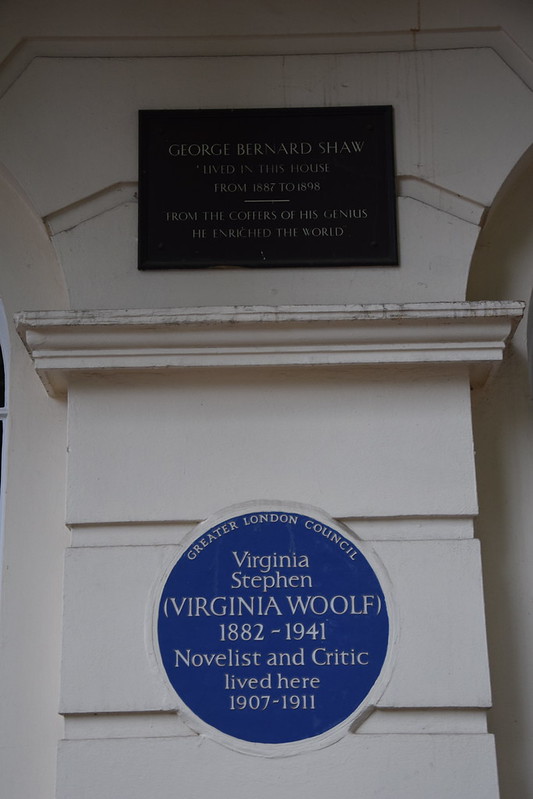
    Fitzroy Square was louder and less fashionable than Gordon Square. The house required improvements, and money was often tight. Yet the move brought greater autonomy. Virginia ran her own household and had full control over her working space, occupying an entire floor filled with books, papers, and furniture chosen according to her own taste. The building itself had a literary past, having previously been home to George Bernard Shaw before his marriage.
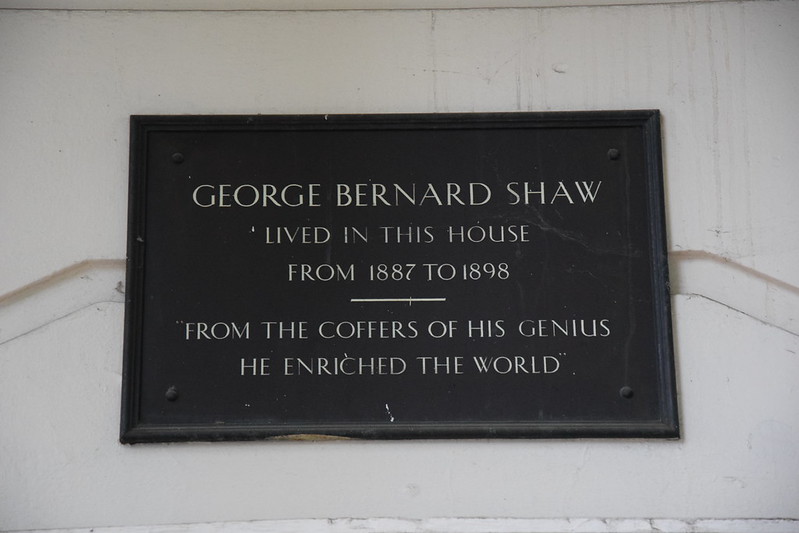
    29 Fitzroy Square, Bloomsbury, London, former home of George Bernard Shaw
    George Bernard Shaw plaque, 29 Fitzroy Square, Bloomsbury, London

    Work continued steadily. During her years at Fitzroy Square, Virginia wrote regularly for The Times Literary Supplement while continuing her reviewing work elsewhere. Journalism remained central to her professional life, providing income and sharpening her critical voice. At the same time, she began serious work on her first novel, initially titled Melymbrosia, later published as The Voyage Out. This period marked her transition from reviewer to novelist.
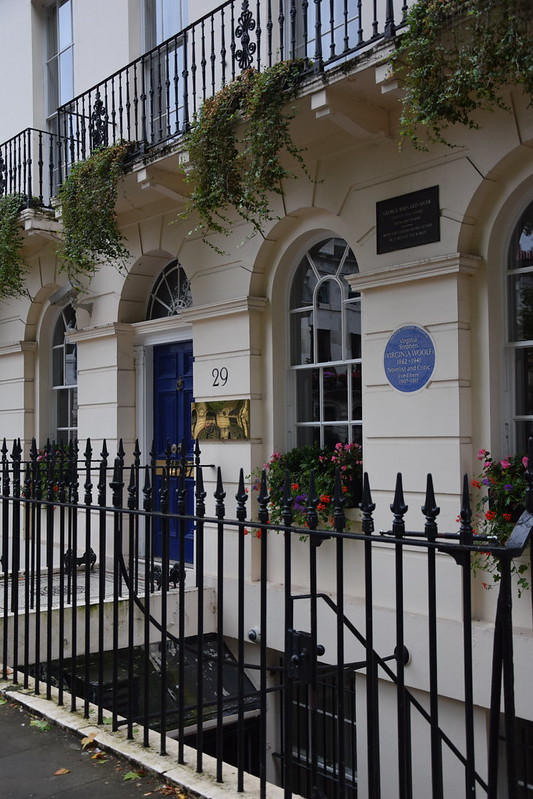
    29 Fitzroy Square, Bloomsbury, London - the house where Virginia Woolf lived from 1907 to 1911

    Life at Fitzroy Square was not easy. Noise, financial pressure, and emotional strain were constant, especially after the loss of her brother and changes in her relationship with Vanessa. Yet Virginia remained productive. Writing became both a discipline and a form of stability, giving shape to her days and direction to her thoughts.

    Virginia lived at Fitzroy Square until October 1911, when the lease ended. By then, she had established herself as a working writer and was ready to move on again, both physically and creatively.

    Bloomsbury as a place of work and ideas

    Seen together, Gordon Square and Fitzroy Square show how closely Virginia Woolf’s life and work were tied to the places she lived. Gordon Square made writing possible by offering light, space, and intellectual companionship. Fitzroy Square tested her independence and pushed her towards larger ambitions, including her first novel. These London addresses were not simply backdrops to her life but active working environments that shaped her habits, her discipline, and her sense of what it meant to be a writer.
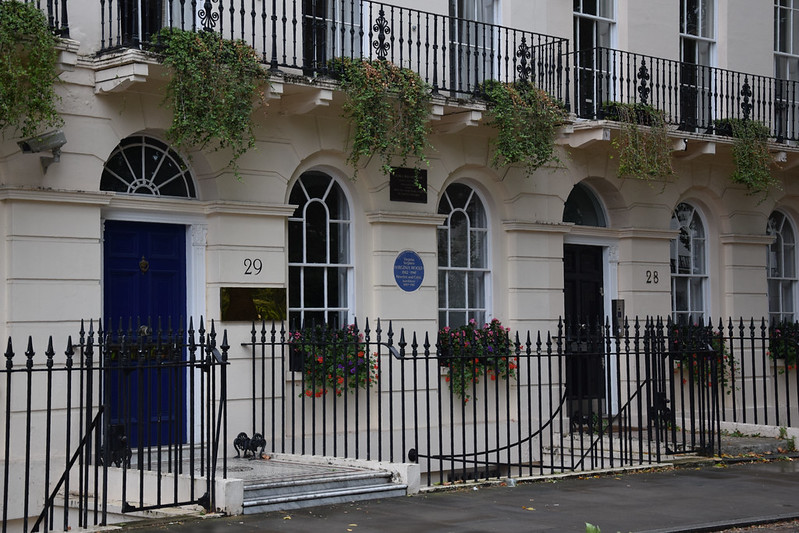
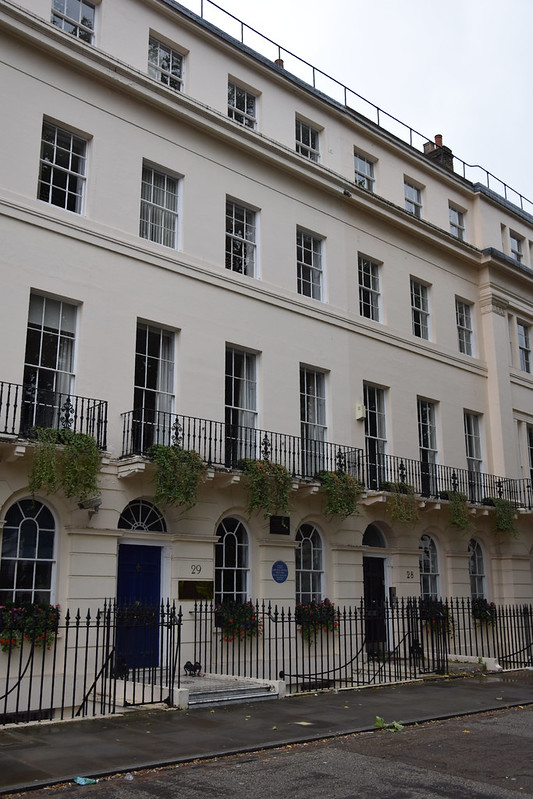
    29 Fitzroy Square, Bloomsbury, London - Virginia Woolf's home from 1907 to 1911
    29 Fitzroy Square, Bloomsbury, London – Virginia Woolf’s home from 1907 to 1911

    Walking through Bloomsbury

    All photographs by the author.

    This account draws on biographical and historical studies of Virginia Woolf and her circle, particularly those that explore the relationship between place, daily life, and creative work. The books listed below were consulted in shaping this narrative and offer further context for readers who wish to explore Woolf’s London in greater detail.

    • Lee, Hermione. Virginia Woolf. Chatto & Windus, 1996.
    • Macaskill, Hilary. Virginia Woolf at Home. Pimpernel Press, 2019.
    • Licence, Amy. Living in Squares, Loving in Triangles: The Lives and Loves of Virginia Woolf and the Bloomsbury Group. Amberley, 20215
    • Hill-Miller, Katherine C. From the Lighthouse to Monk’s House: A Guide to Virginia Woolf’s Literary Landscapes. Duckworth, 2001.
    • Woolf, Virginia. A Writer’s Diary. Delphi Classics, 2017.

    The first part of the series can be read here: Virginia Woolf’s London – A Literary Guide to the City (Part 1)

    If you find my work valuable, you can support it here:

    Buy Me a Coffee
  • A Song from the Past: Joyce, Music, and Memory

    Music in James Joyce’s The Dead

    The work of James Joyce is full of music. It is not used only as decoration, but also as a way to express hidden feelings and inner emotions. This is especially clear in the short story The Dead, where Joyce uses the song The Lass of Aughrim to give deeper meaning to the narrative.

    James Joyce Tower, Sandycove, Dublin
    James Joyce Tower, Sandycove, Dublin

    Every year, at the beginning of January, I return to both the story and its film adaptation with a feeling of nostalgia. It is a deeply personal story about love, loss and identity, which T. S. Eliot called one of the greatest short stories ever written. When I listen to the old Irish ballad, I often reread the final, most beautiful paragraph of the story. It always fills me with wonder and deep emotion, and it moves me every time. This passage also has a musical quality, as its gentle rhythm and softly flowing melody create an atmosphere of silence, sadness and reflection, bringing the story to a close.

    A few light taps upon the pane made him turn to the window. It had begun to snow again. He watched sleepily the flakes, silver and dark, falling obliquely against the lamplight. The time had come for him to set out on his journey westward. Yes, the newspapers were right: snow was general all over Ireland. It was falling on every part of the dark central plain, on the treeless hills, falling softly upon the Bog of Allen and, farther westward, softly falling into the dark mutinous Shannon waves. It was falling, too, upon every part of the lonely churchyard on the hill where Michael Furey lay buried. It lay thickly drifted on the crooked crosses and headstones, on the spears of the little gate, on the barren thorns. His soul swooned slowly as he heard the snow falling faintly through the universe and faintly falling, like the descent of their last end, upon all the living and the dead.

    James Joyce, The Dead

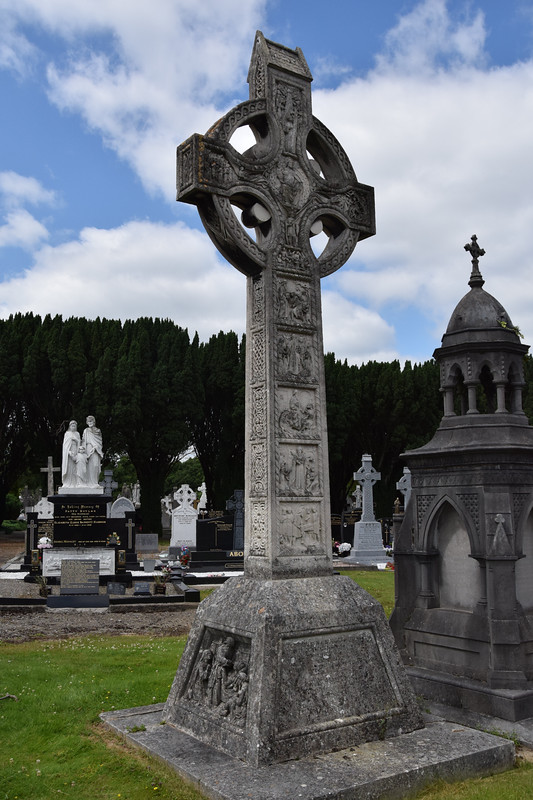
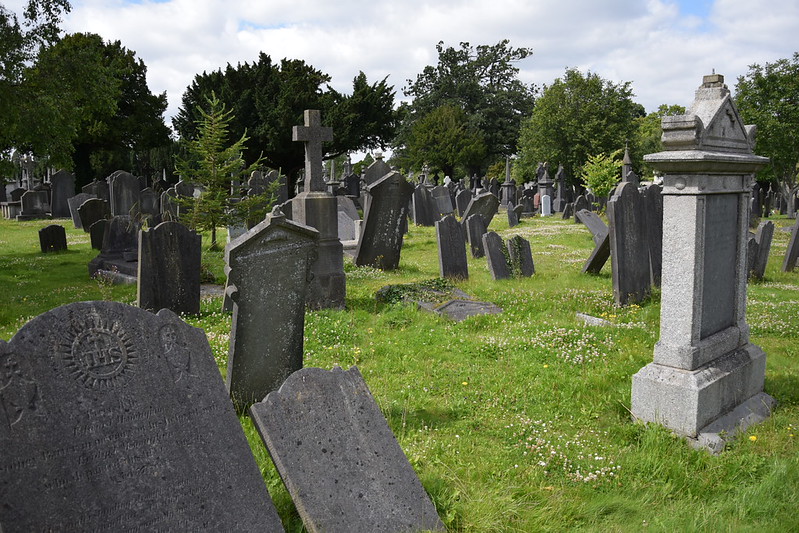
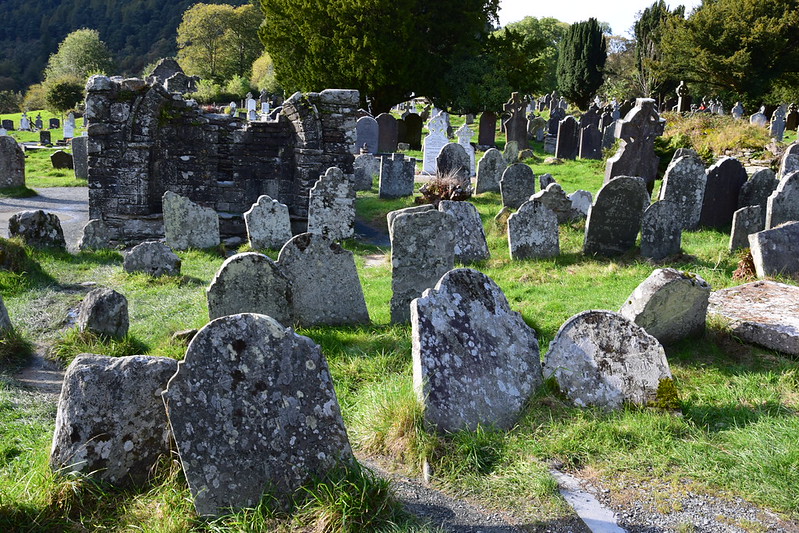
    Grave yard in Glendalough, Co. Wicklow, Ireland
    Glendalough, Co. Wicklow, Ireland

    Music is present throughout the entire story, from Italian opera to popular folk songs. Singing, dancing and playing music create the background of the Christmas party, while conversations at the table refer to famous singers and the musical life of Dublin. All of this slowly leads the reader towards the emotional centre of the story.

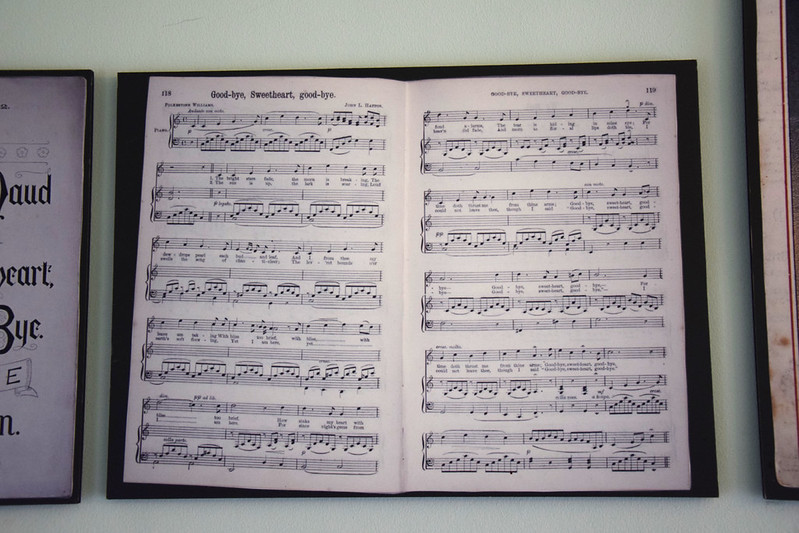
    Music score on display in James Joyce Centre in dublin, Ireland.
    James Joyce Centre, Dublin

    The Lass of Aughrim in the Story

    The song The Lass of Aughrim, heard almost by chance after the party, is not just background music. It becomes a voice from the past that suddenly enters the present. For Gretta Conroy, the song brings back the memory of her first love, Michael Furey, a young man who once sang this song for her and who died tragically young. This memory reveals how strong and sincere that love was, and it clearly contrasts with the emotional distance in her marriage. The past feels more alive and more real than her quiet everyday life.

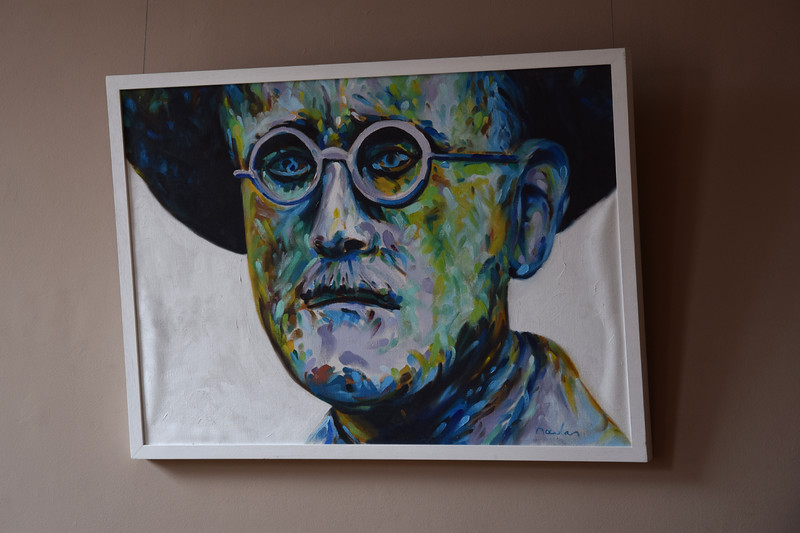
    Joyce portrait in James Joyce Centre, Dublin, Ireland.
    James Joyce Centre, Dublin

    The song is also essential for her husband, Gabriel, as it leads him to a moment of deep understanding. He realises how empty his emotional life is and understands that the dead can have more power over the living than those who live without strong feelings. In this way, The Lass of Aughrim brings together the main themes of the story – memory, love and death – and leads to a sad, quiet ending that invites deep reflection on human life.

    * * *

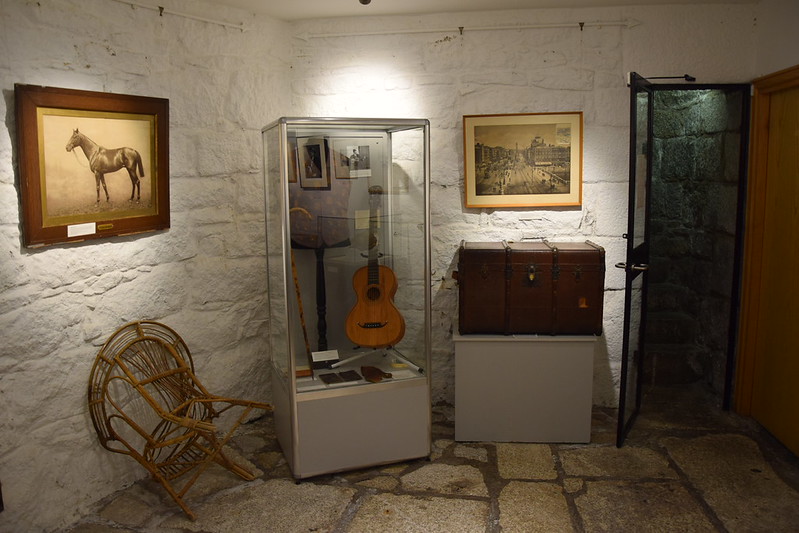
    Let the music invite quiet reflection as we listen, accompanied by the restored guitar that once belonged to Joyce himself.

    See also: The House of the Dead & Music in the Works of James Joyce

    If you find my work valuable, you can support it here:
    Buy Me A Coffee

  • The Birth Date of Sherlock Holmes: Fact, Tradition, and Interpretation

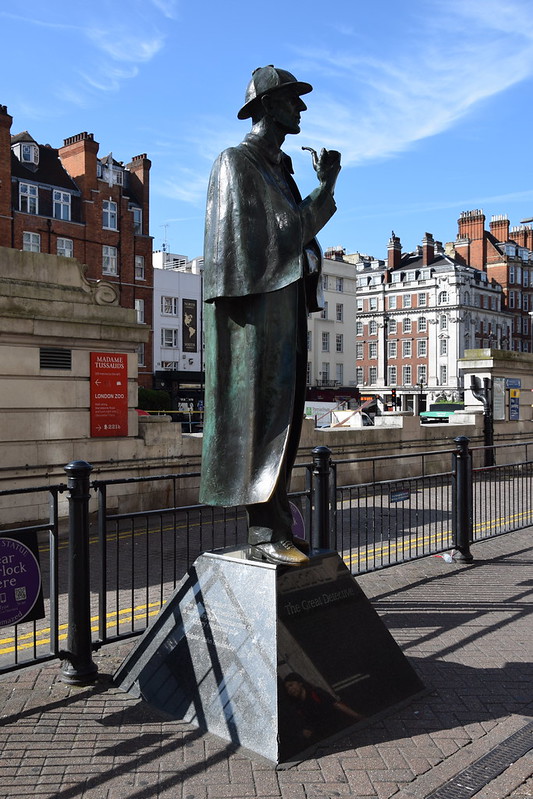
    Why January 6 became a literary tradition

    The Epiphany, celebrated a few days ago, is, for me, a day naturally linked to James Joyce’s short story The Dead, as its action takes place on 6 January. The same date, however, also appears in a very different part of literary culture: as the traditional birthday of Sherlock Holmes, one of the most famous characters in world literature.

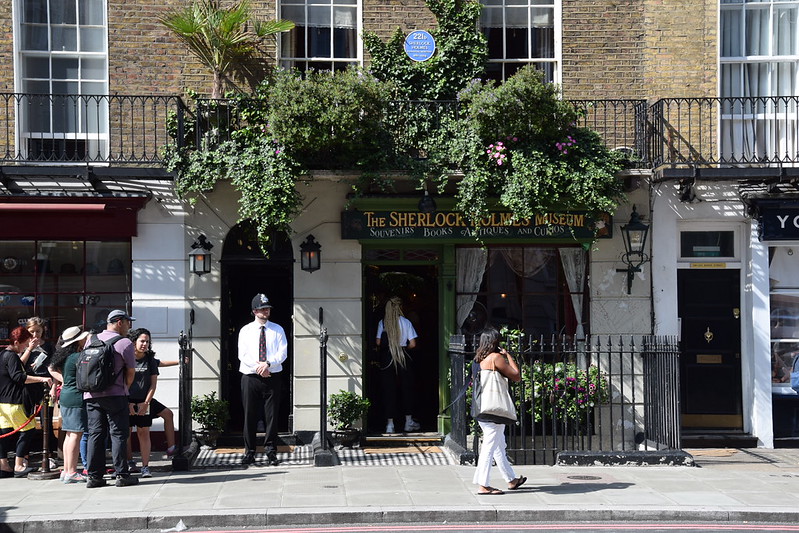
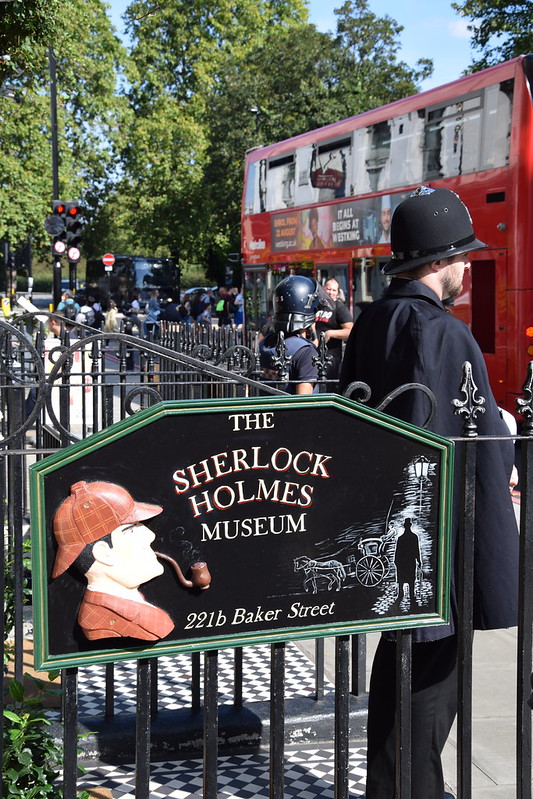
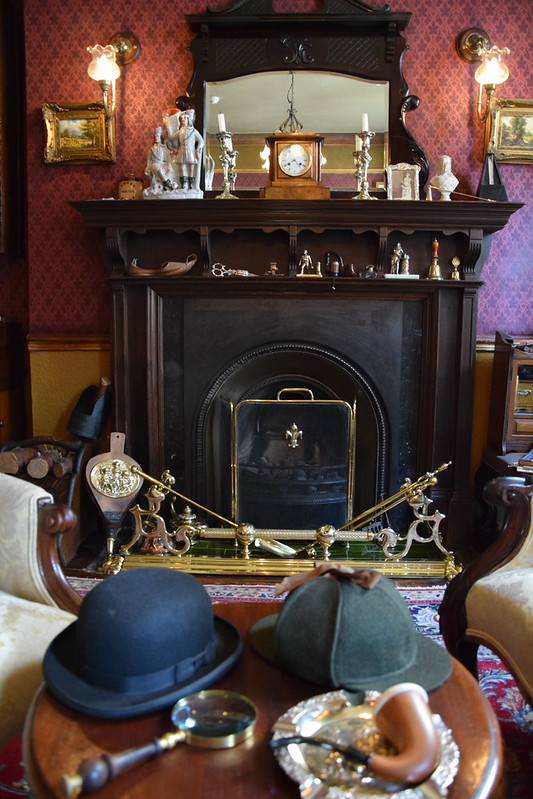
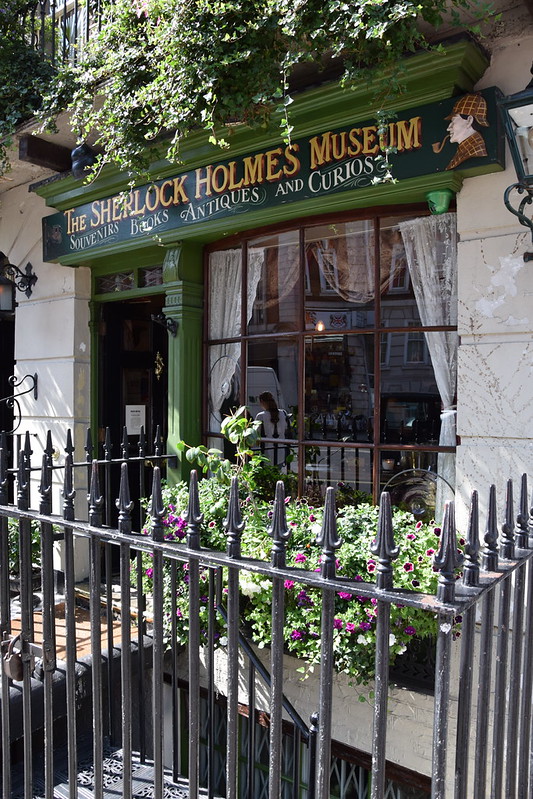
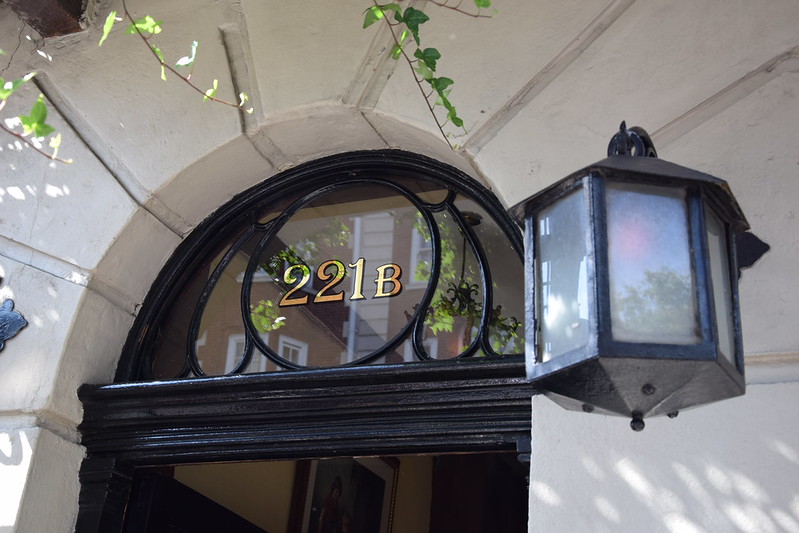
    The Sherlock Holmes Museum, London
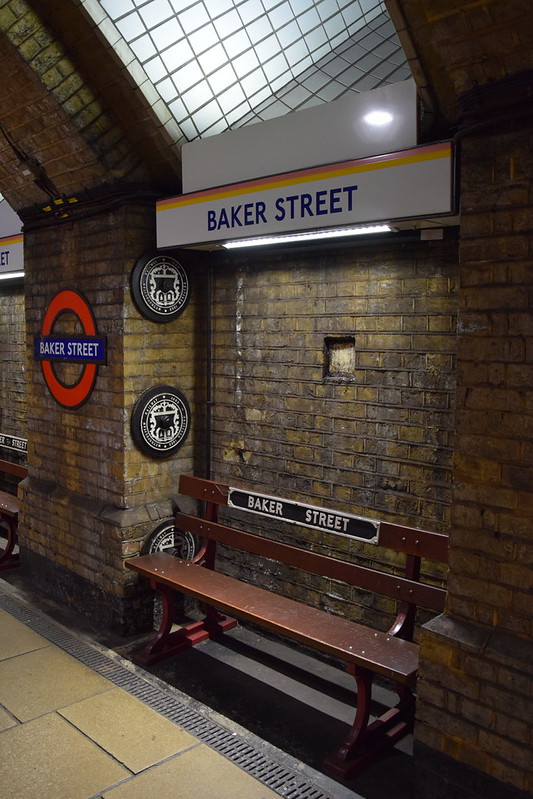
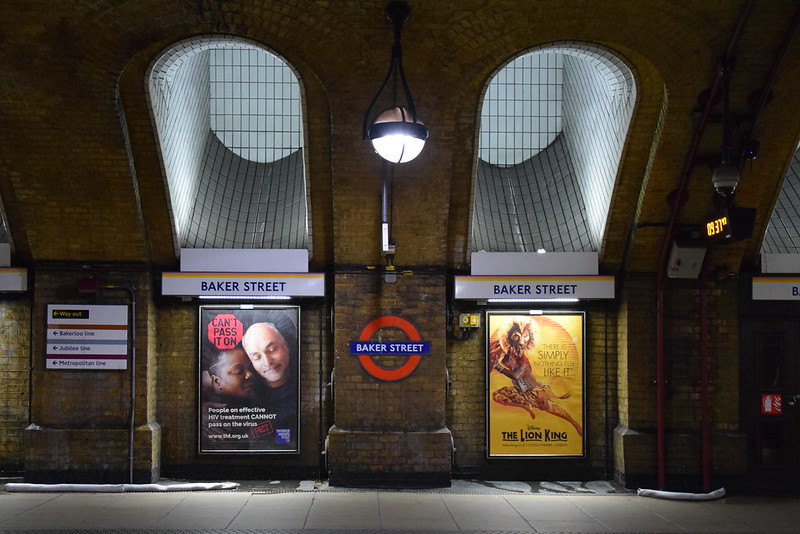
    Baker Street Tube Station, London

    Did Arthur Conan Doyle ever state Holmes’s birth date?

    The date of the detective’s birth was never clearly given by Arthur Conan Doyle. Even so, for many years, readers around the world have celebrated it on 6 January, treating this date almost as if it were part of the official canon. This shows not only the strength of the character but also the lasting power of literature and the involvement of its readers.

    The Sherlock Holmes Museum, London

    Canonical clues about Sherlock Holmes’s age

    Any attempt to work out Holmes’s age must begin with the hints scattered through the canon. The only place where his age is stated directly in the short story His Last Bow. The War Service of Sherlock Holmes. In the scene where James Altamont visits Baron von Bork – before the true identity of the American agent working for Germany is revealed – the narrator describes him as

    a tall, gaunt man of sixty, with clear-cut features.

    Only at the end of the story does it become clear that this description refers to Sherlock Holmes. This makes it possible to fix his age in 1914 and, as a result, to place his year of birth around 1854.

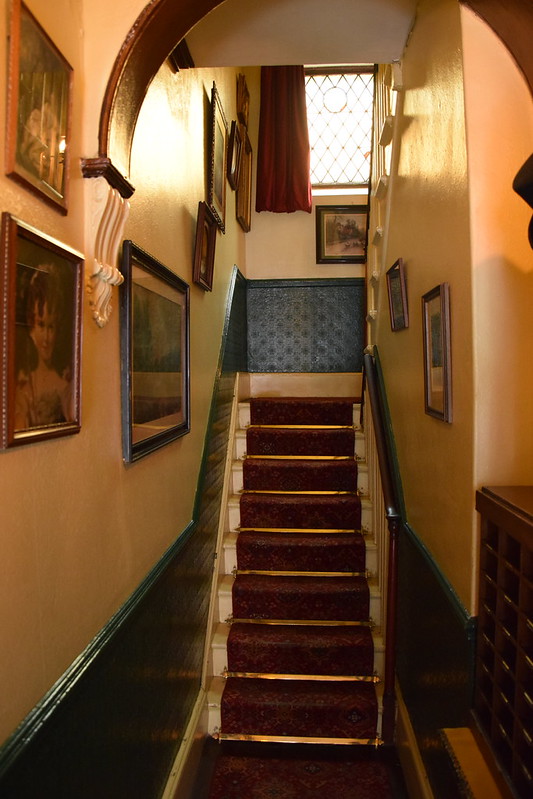
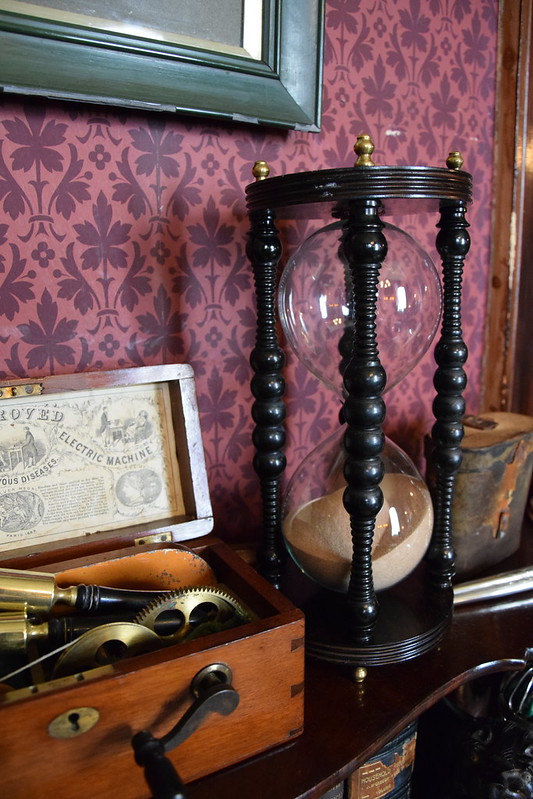
    The Sherlock Holmes Museum, London
    The Sherlock Holmes Museum, London

    Other works do not give Holmes’s age directly. Instead, they present him as a fully mature man with a strong reputation and long professional experience, which supports this calculation.

    Why 6 January is celebrated as Holmes’s birthday

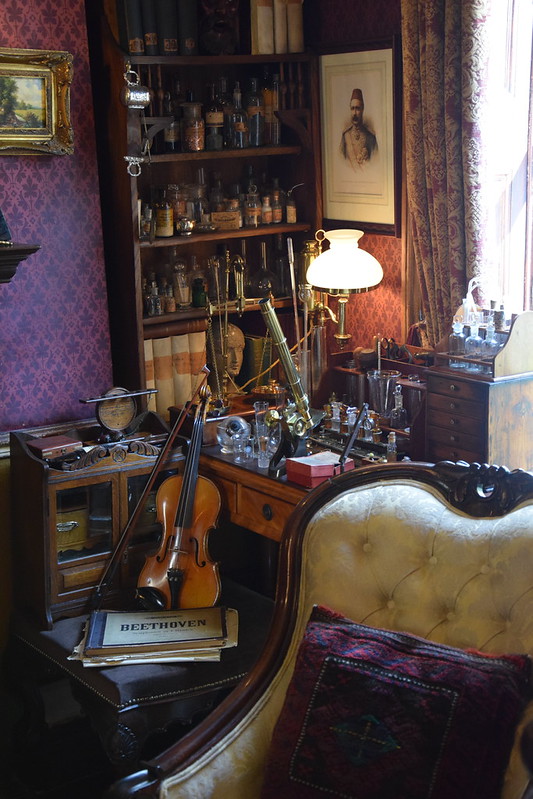
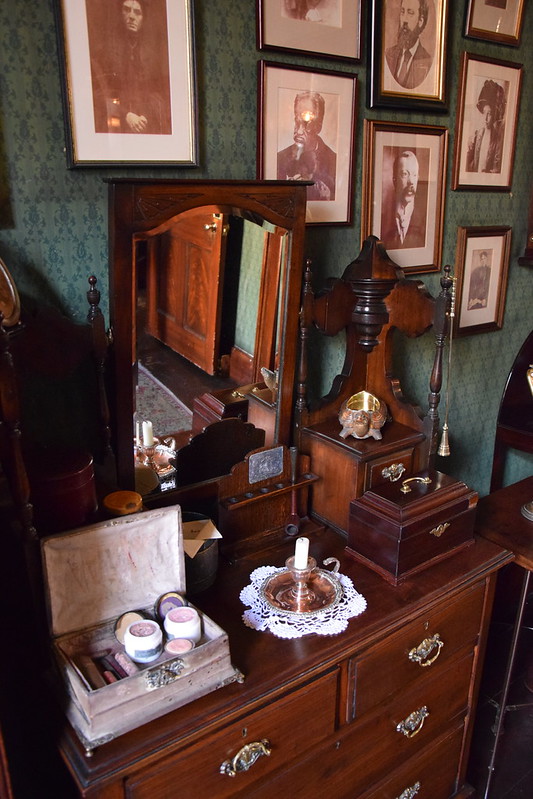
    The Sherlock Holmes Museum, London

    Doyle never gave the day or month of Holmes’s birth. This gap was filled by readers and scholars known as Sherlockians. They suggested 6 January as a symbolic date, based not on a direct statement in the text but on interpretation. This date falls on Epiphany, the feast of revelation, when hidden truths are made known.

    The idea of Epiphany fits Holmes particularly well. The detective repeatedly brings hidden facts into the open, finds meaning in confusing details, and allows reason to win over illusion. In this sense, 6 January is not a historical fact but a meaningful symbol – the ‘birth’ of a mind devoted to discovering the truth.

    Over time, this interpretation became widely accepted and turned into a tradition. 6 January 1854 is now treated as an unofficial but widely recognised ‘fan canon’. It is a good example of how readers interact with a text: when the author leaves a gap, readers create a clear and meaningful explanation.

    The Sherlock Holmes Museum, London

    From fiction to cultural tradition

    As a result, Sherlock Holmes, a fictional character, has gained an almost real biography, complete with a specific birth date that is still celebrated today. This shows that great literature does not end on the final page, but continues to live in reading, discussion and imagination.

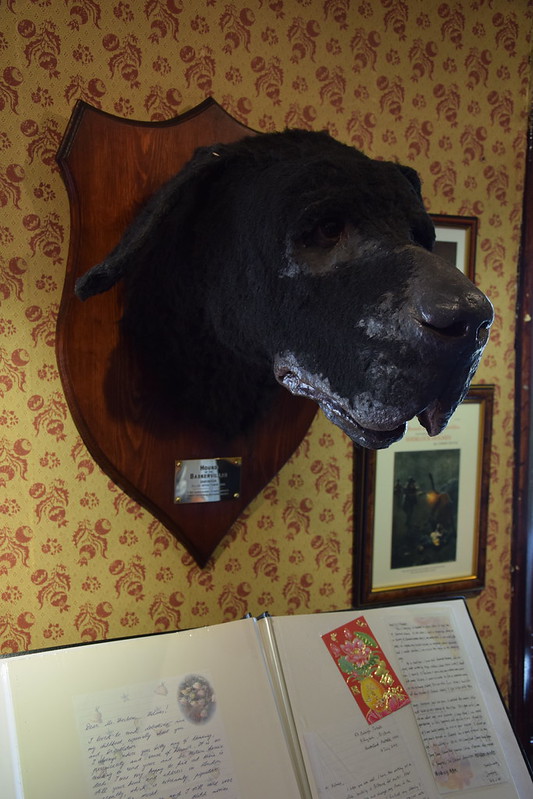
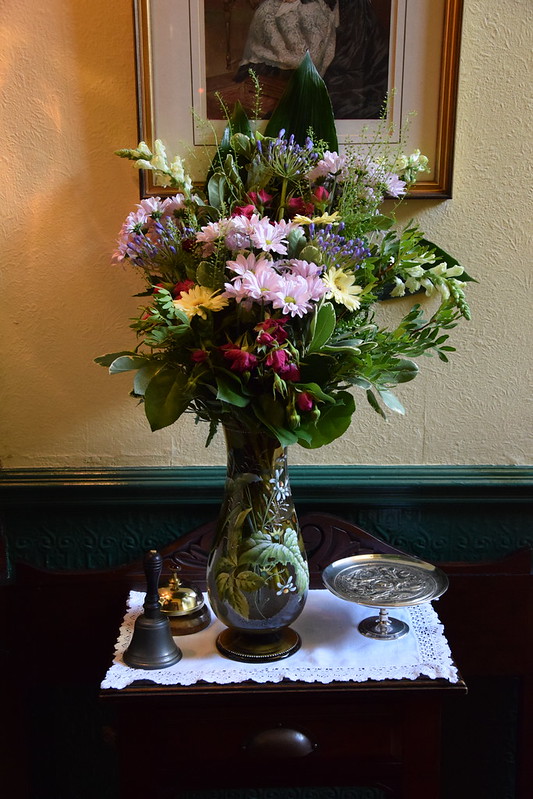
    The Sherlock Holmes Museum, London
    The Sherlock Holmes Museum, London

    If you find my work valuable, you can support it here:
    Buy Me A Coffee

  • A Christmas Carol: Dickens’s London and the Making of a Classic

    A ghostly journey toward redemption

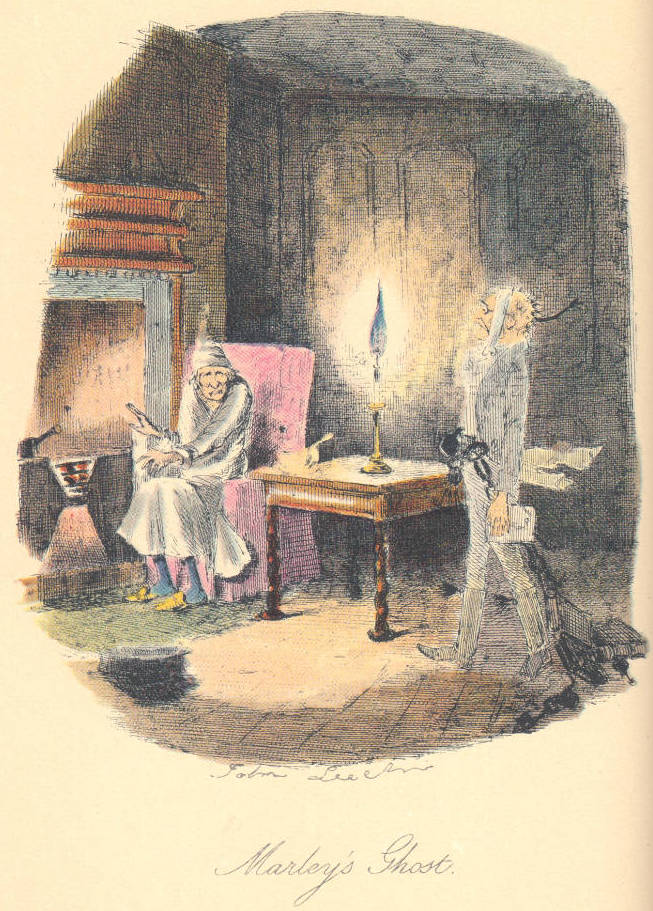
    A Christmas Carol by Charles Dickens is among the most influential Christmas stories in English literature, combining social criticism with a tale of moral transformation. The novella tells the story of Ebenezer Scrooge, a miserly old man visited on Christmas Eve by the ghost of his former partner and three spirits – Past, Present, and Yet to Come – who guide him toward compassion and generosity.

    Bah, said Scrooge, Humbug.

    Charles Dickens, A Christmas Carol

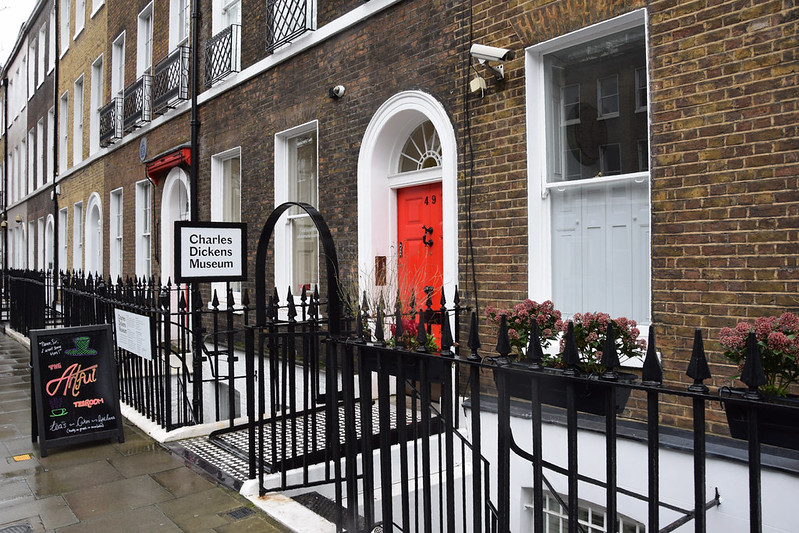
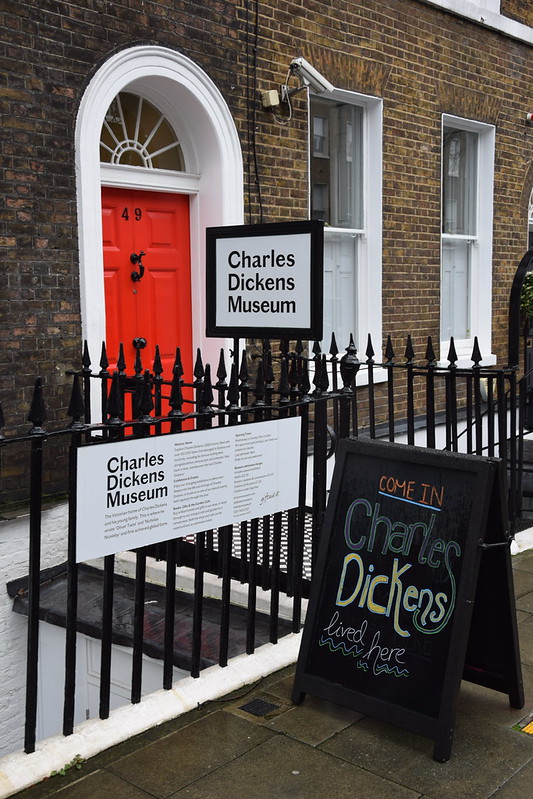
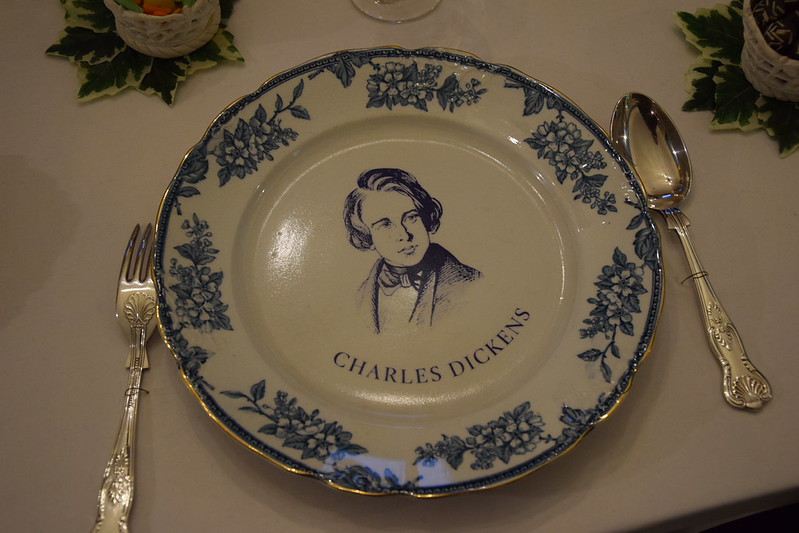
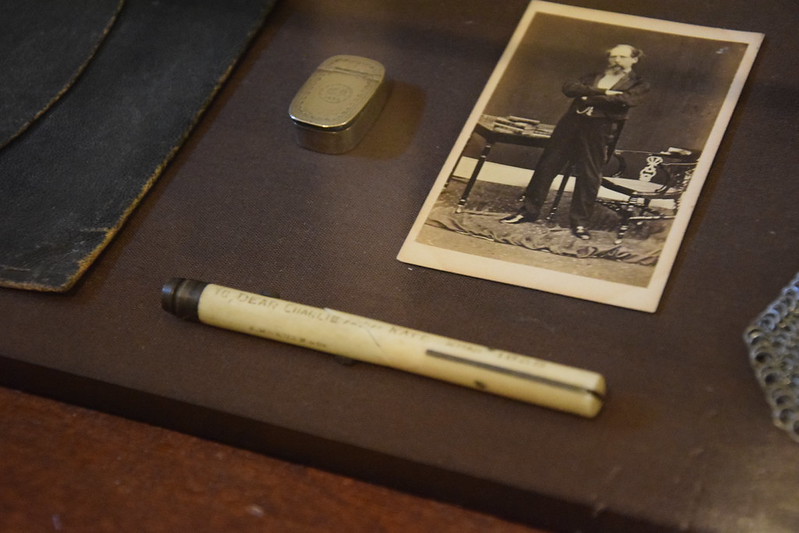
    Charles Dickens Museum in London

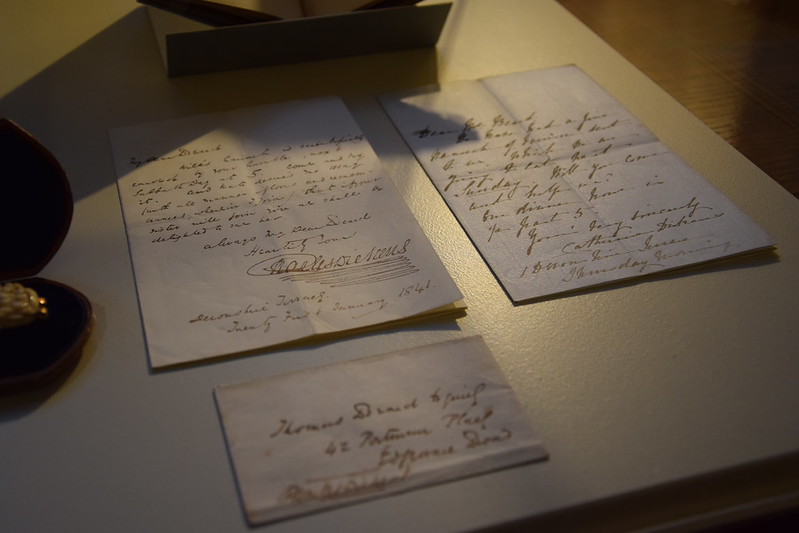
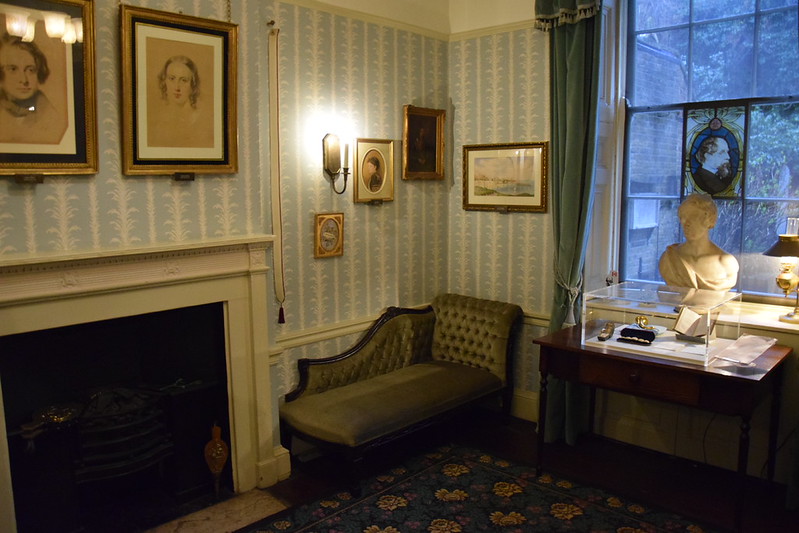
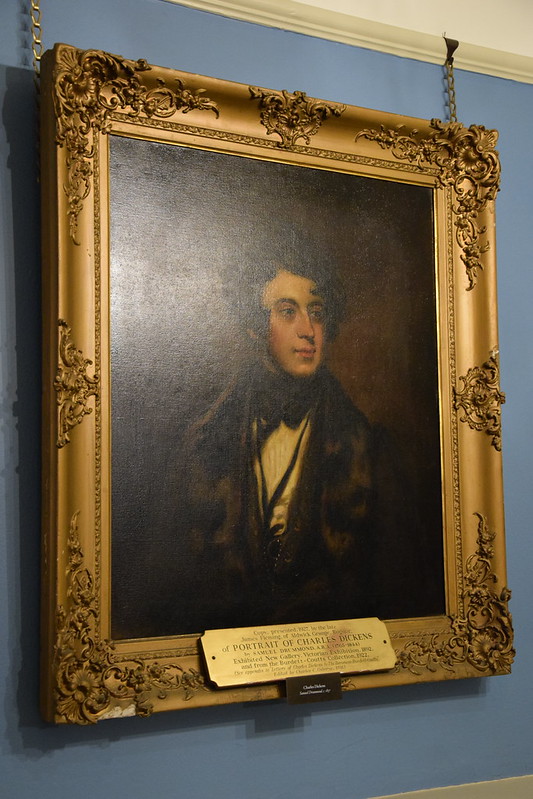
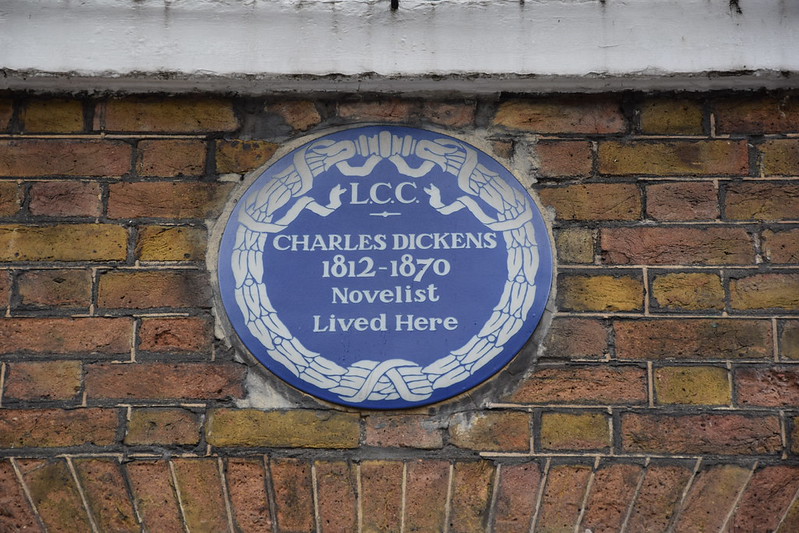
    One of the most important places on London’s literary map is the Charles Dickens Museum, located at 48 Doughty Street. This was the home of Charles Dickens from 1837 to 1839, at the very beginning of his extraordinary literary career. While living here, Dickens worked on novels such as ‘Oliver Twist’ and ‘Nicholas Nickleby’.

    Charles Dickens Museum, London

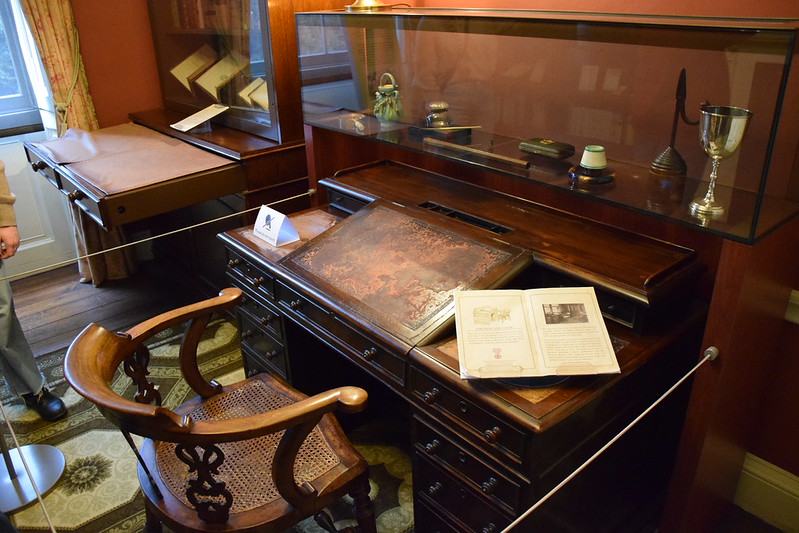
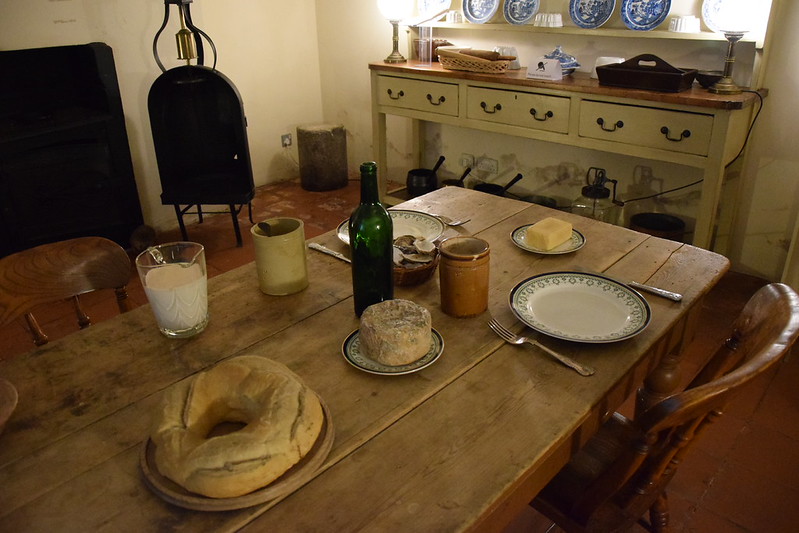
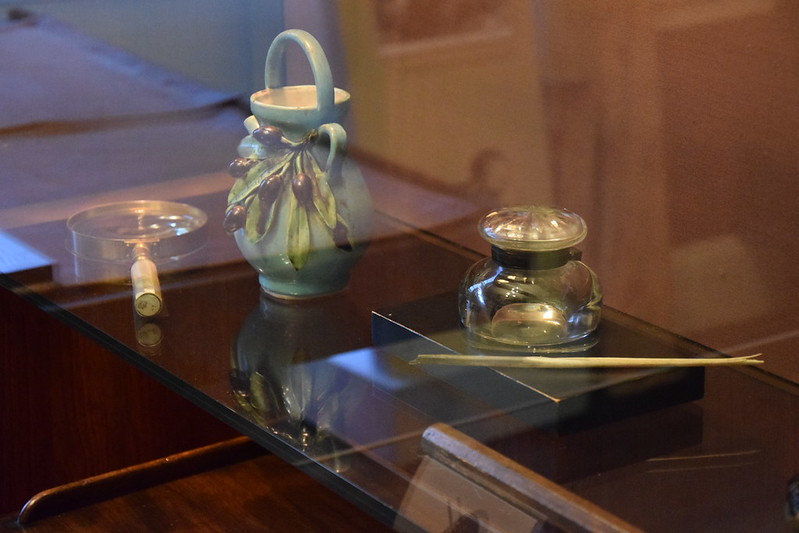
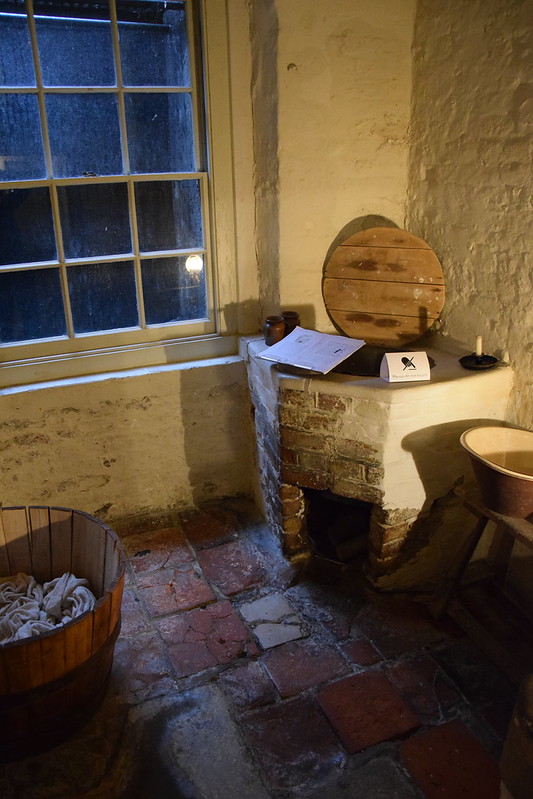
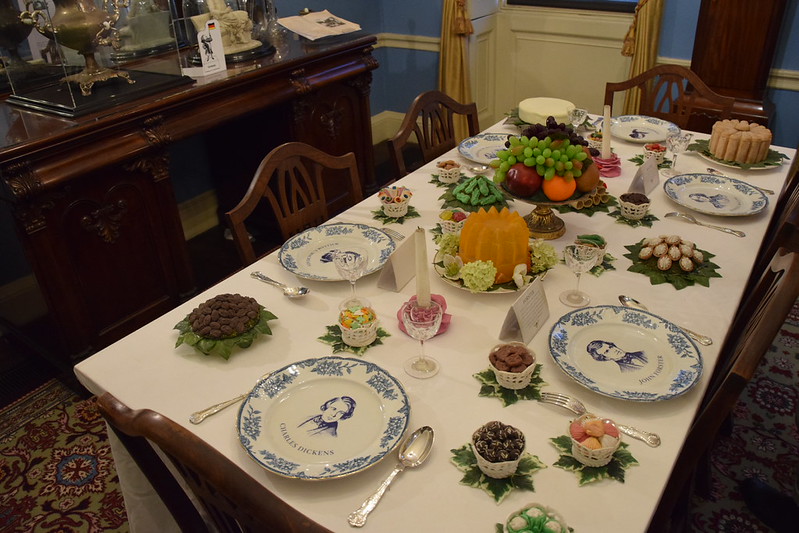
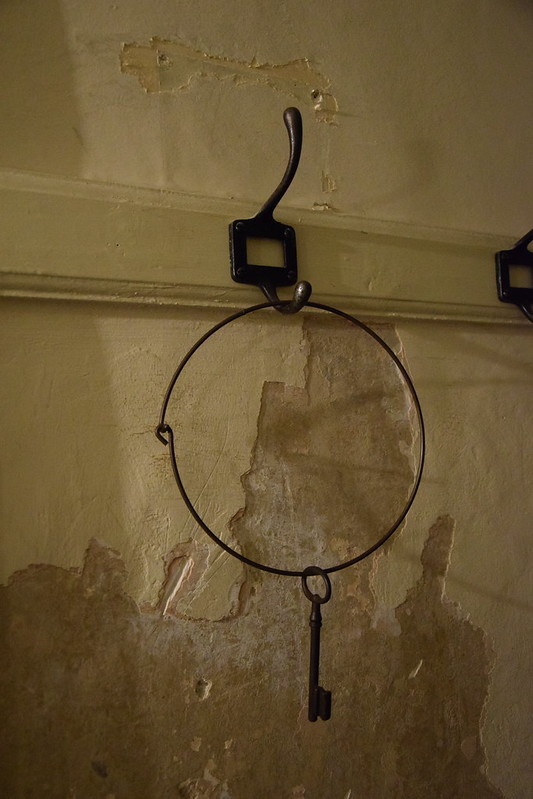
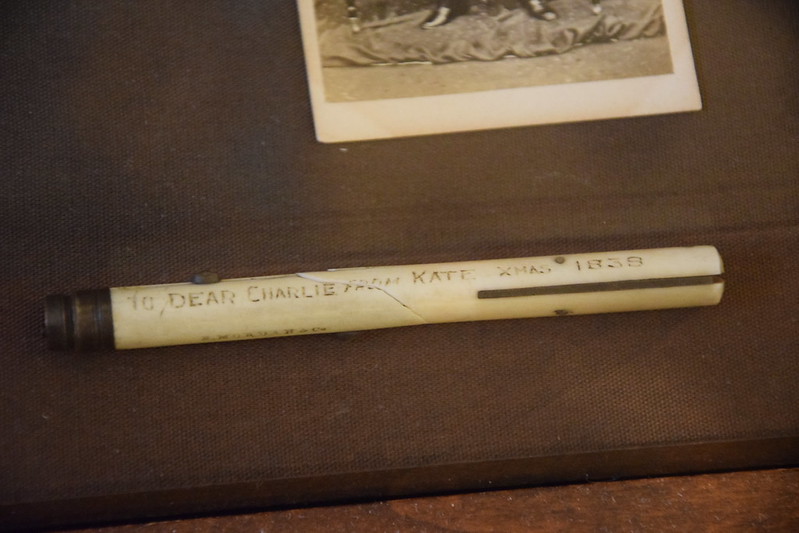
    Today, the museum allows visitors to step into Dickens’s private world. Its preserved rooms reveal his study, personal possessions, and the atmosphere of the Victorian era, offering a vivid sense of how the writer lived and worked.

    Charles Dickens Museum, London

    A Christmas Eve that changes everything

    However, when Dickens wrote his most famous Christmas story, ‘A Christmas Carol’, he no longer lived at Doughty Street. In 1843, his home was 1 Devonshire Terrace, near Regent’s Park. It was here that ‘A Christmas Carol’ was written – astonishingly, in just a few weeks and with intense emotional energy.

    Charles Dickens Museum, London

    Dickens was deeply affected by the social problems of London at the time: the poverty of children, sharp class divisions, and the lack of compassion shown by the wealthy toward the poor. He believed that a powerful story could move people’s hearts more quickly and more deeply than political articles or essays. This belief gave rise to the unforgettable tale of Ebenezer Scrooge and his moral transformation.

    Charles Dickens Museum, London

    ‘A Christmas Carol’ was first published on 19 December 1843, and its impact was immediate: the initial 6,000 copies sold out by Christmas Eve, an extraordinary success. Dickens’s publishers, Chapman and Hall, rushed to produce second and third printings before the New Year. The story quickly became a Christmas classic and has remained an essential part of the season ever since.

    Charles Dickens Museum, London

    In 1864, the novelist William Makepeace Thackeray praised the book, calling it:

    a national benefit to every man or woman who reads it, a personal kindness.

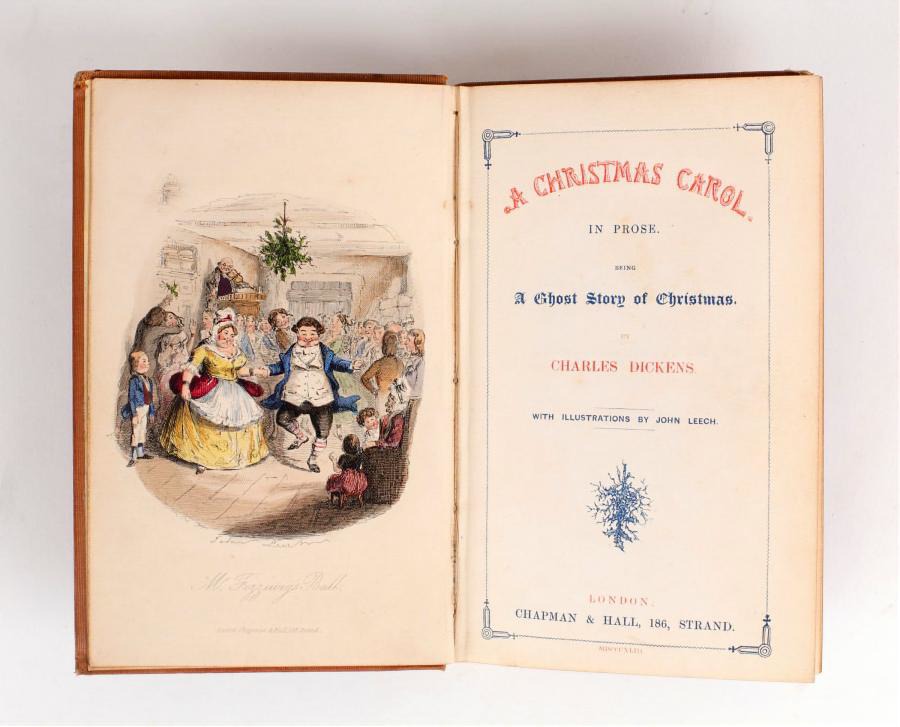
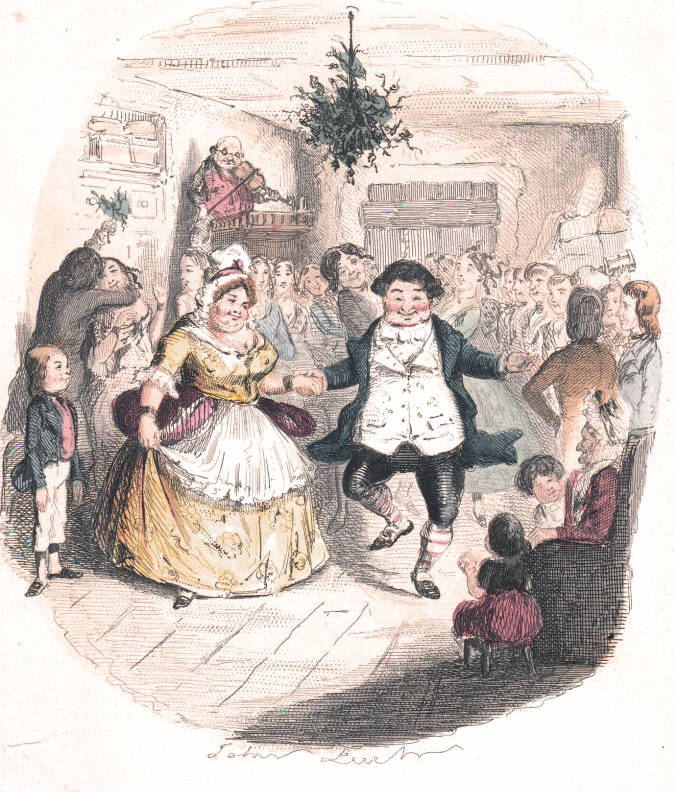
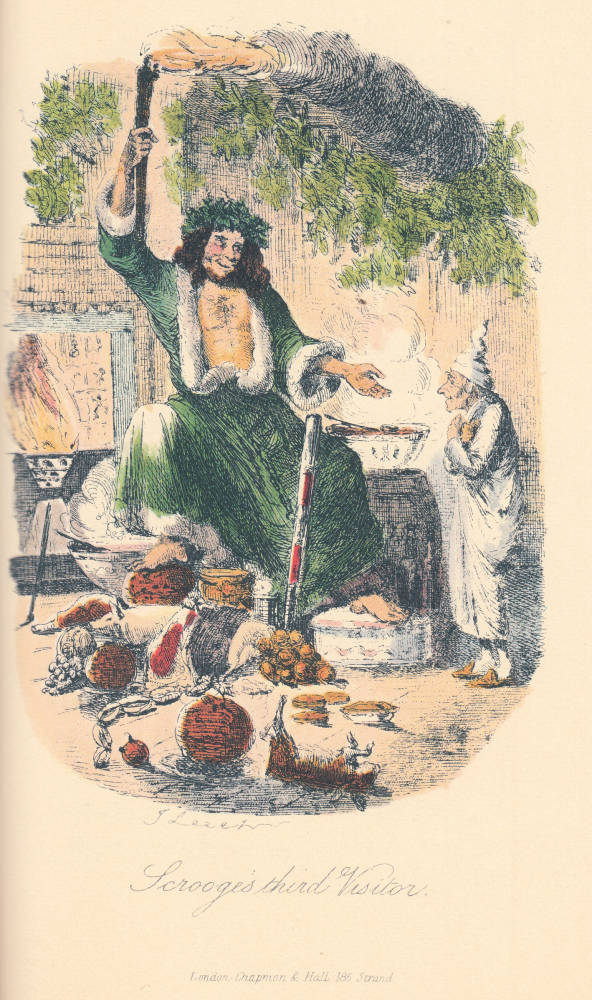
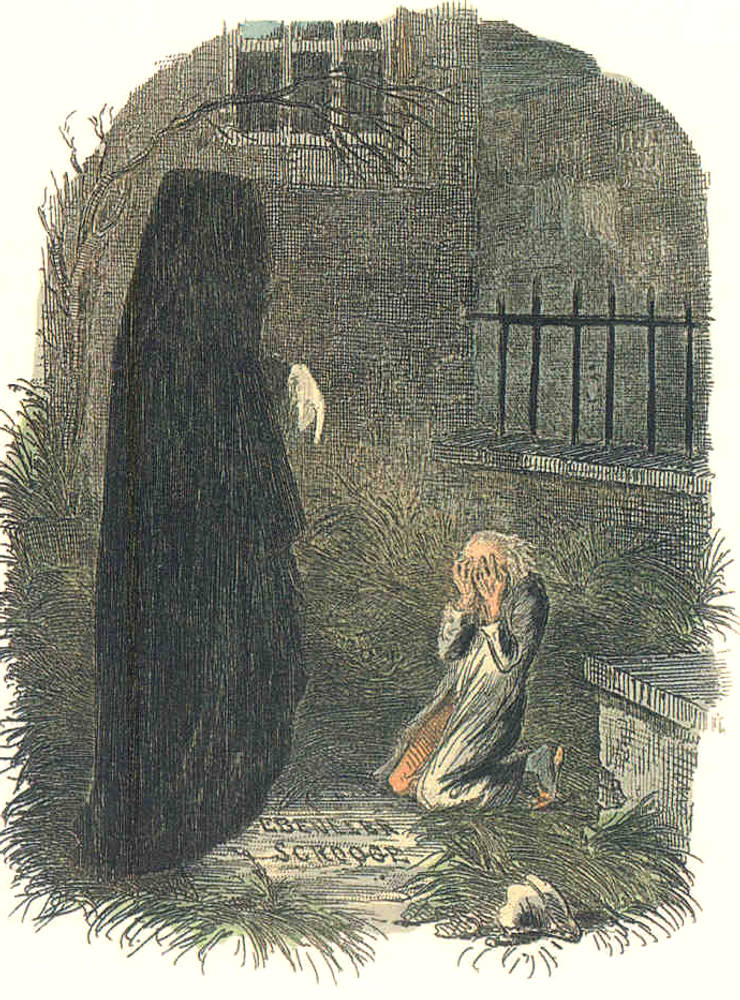
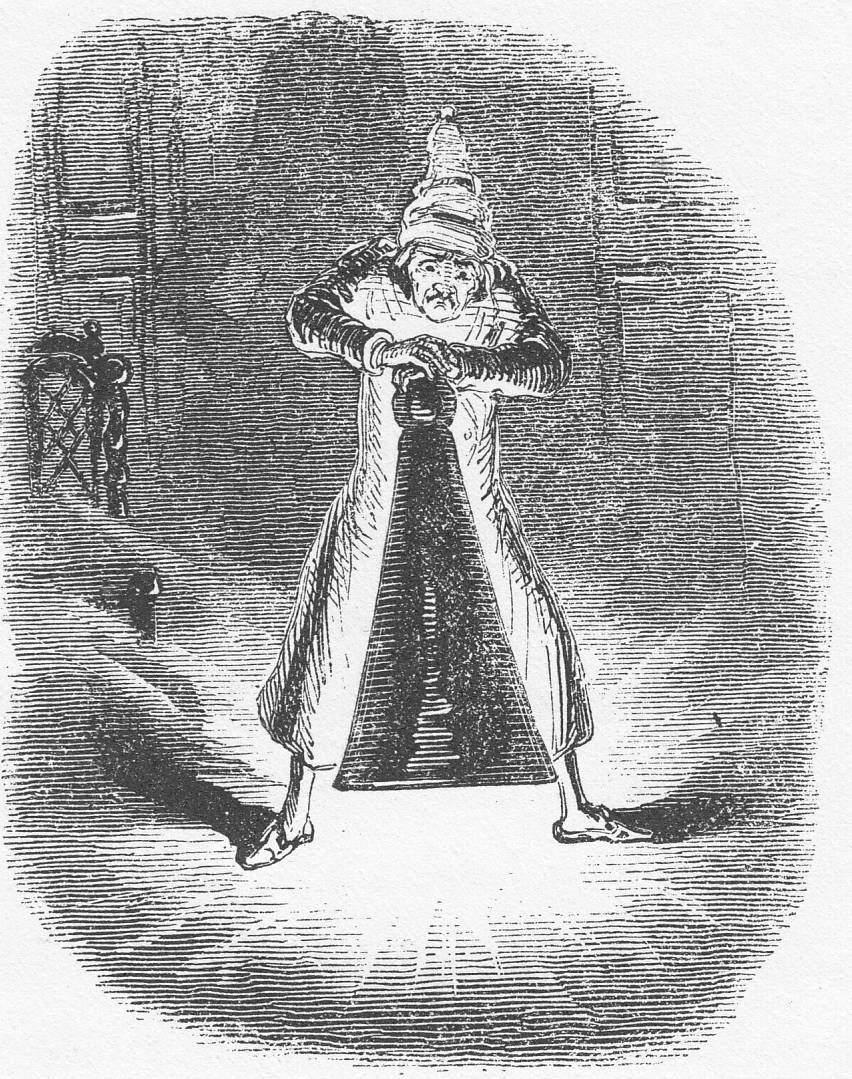
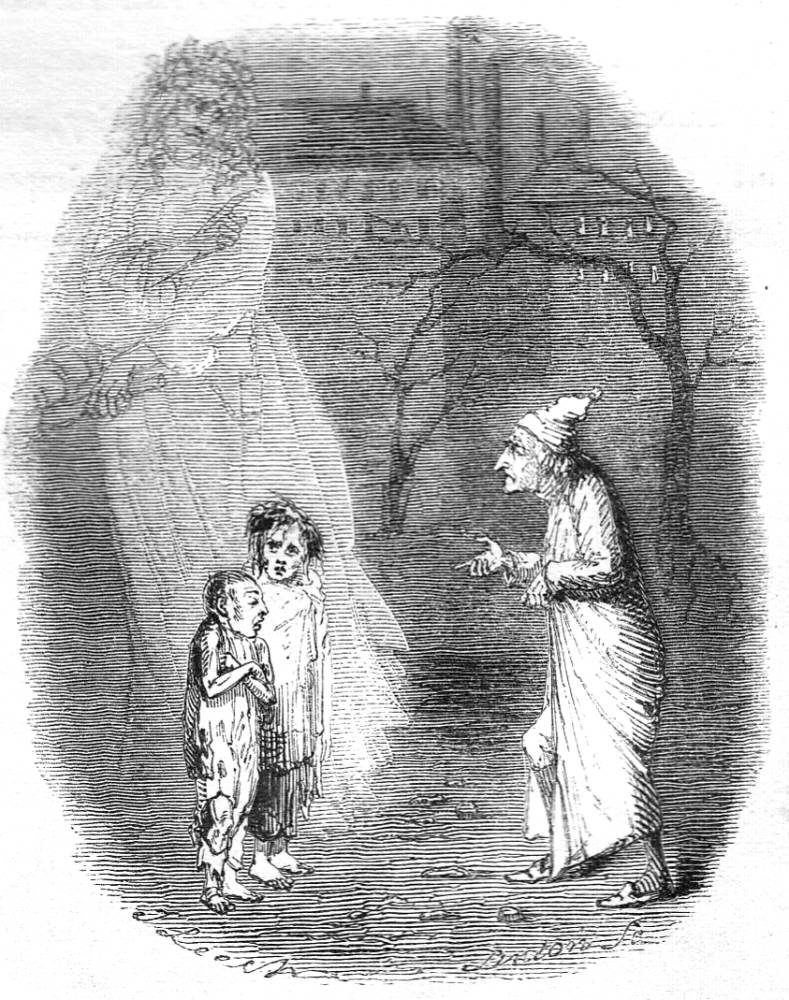
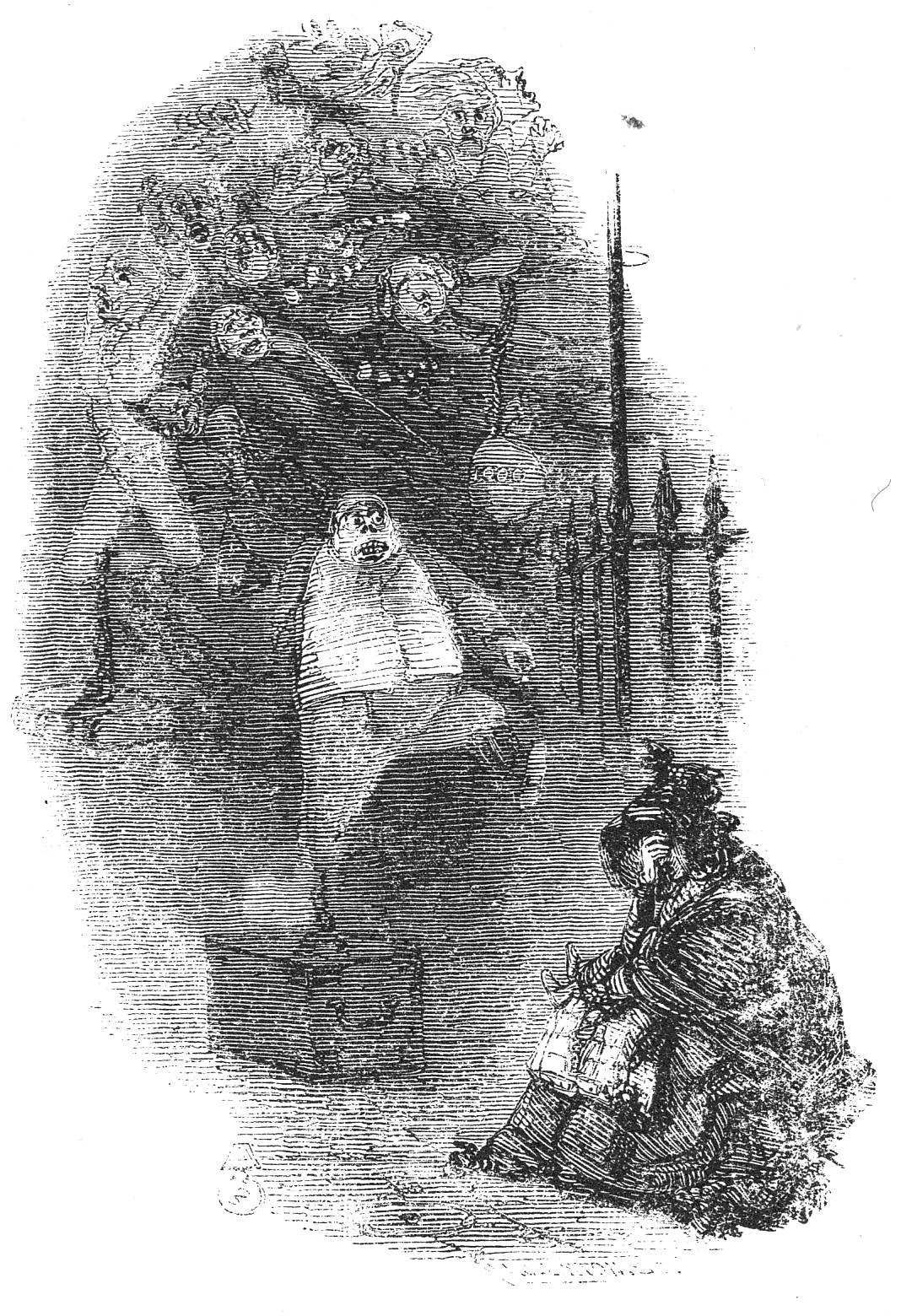
    The illustrations associated with the original 1843 edition, created by John Leech, depict how Victorian readers first encountered the story, helping to shape the visual imagination of ‘A Christmas Carol’ that still influences how we picture it today.

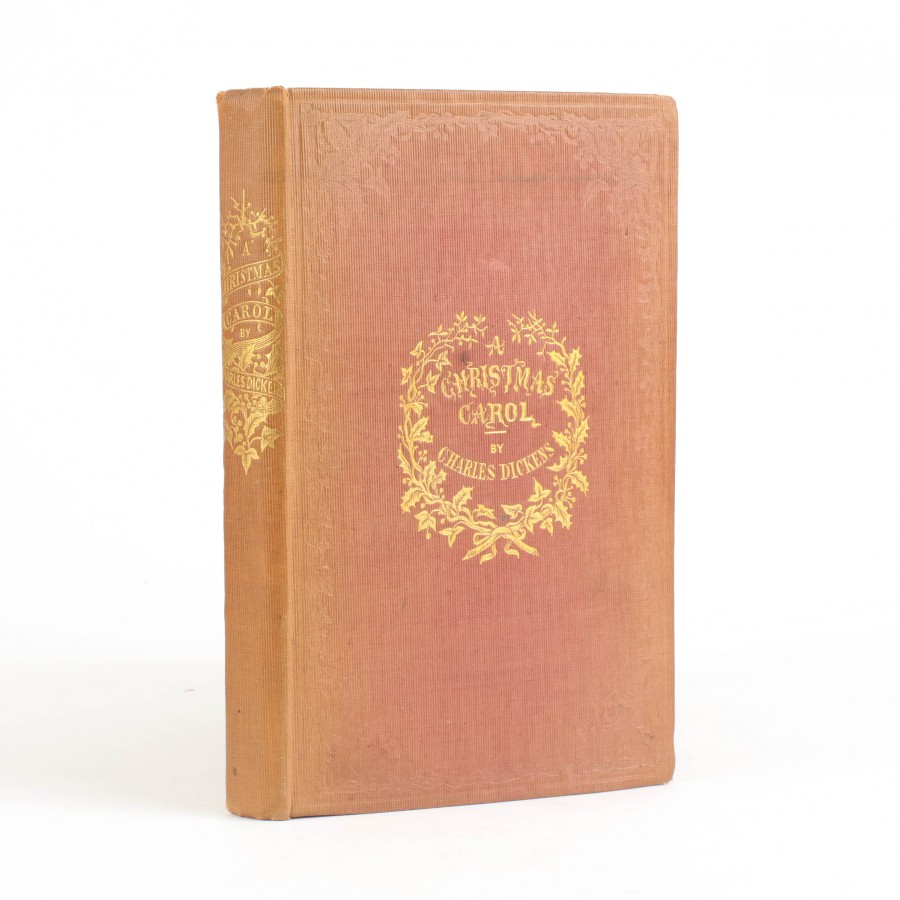
    The first edition of A Christmas Carol by Charles Dickens

    I will honour Christmas in my heart, and try to keep it all the year. I will live in the Past, the Present, and the Future. The Spirits of all Three shall strive within me. I will not shut out the lessons that they teach.

    Charles Dickens, A Christmas Carol

    To fully appreciate the story behind A Christmas Carol, visit the Charles Dickens Museum and uncover the origins of Dickens’s timeless Christmas tale – and much more.

    If you find my work valuable, you can support it here:
    Buy Me A Coffee

  • 1914 Christmas Truce: A Moment of Humanity in the Heart of War

    The war that consumed a generation

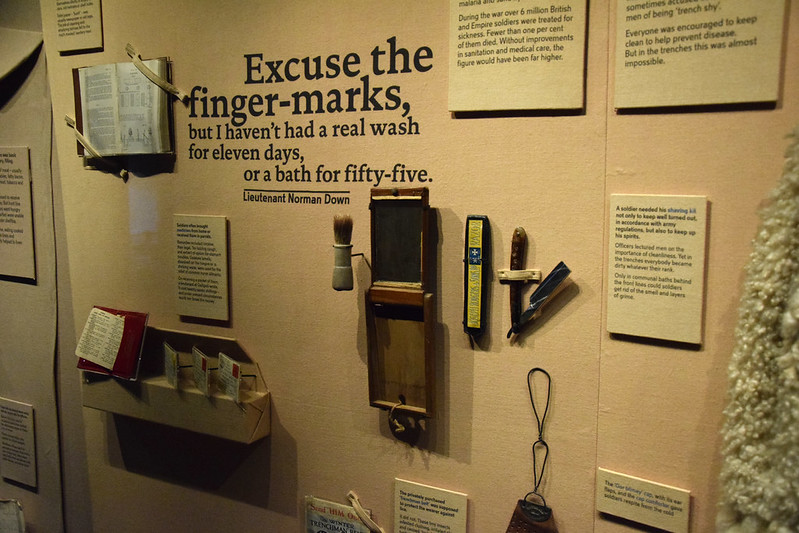
    The first thing that came to my mind while visiting the exhibition about the First World War at the Imperial War Museum in London was the novel All Quiet on the Western Front by Erich Maria Remarque. The book shows the cruelty and absurdity of war through the experiences of a young German soldier, Paul Bäumer. Eighteen- and nineteen-year-old boys are sent to the front almost immediately after finishing school, encouraged by their teachers to serve their country. They soon realise, however, that they are shooting at boys their own age who, like them, miss home and long for peace. They begin to question the point of the war. The brutality of war takes away their sense of humanity and, in the end, their lives, turning them into a ‘lost generation’. The powerful way the author presents the characters’ emotions, the violence of the attacks and the constant presence of death mean that All Quiet on the Western Front still shocks readers today.

    We are forlorn like children, and experienced like old men, we are crude and sorrowful and superficial – I believe we are lost.

    Erich Maria Remarque, All Quiet on the Western Front

    The first Christmas of World War I

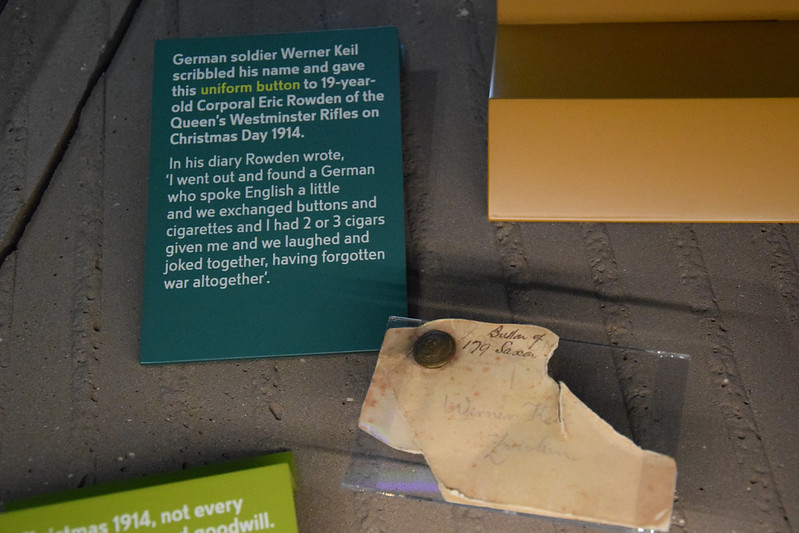
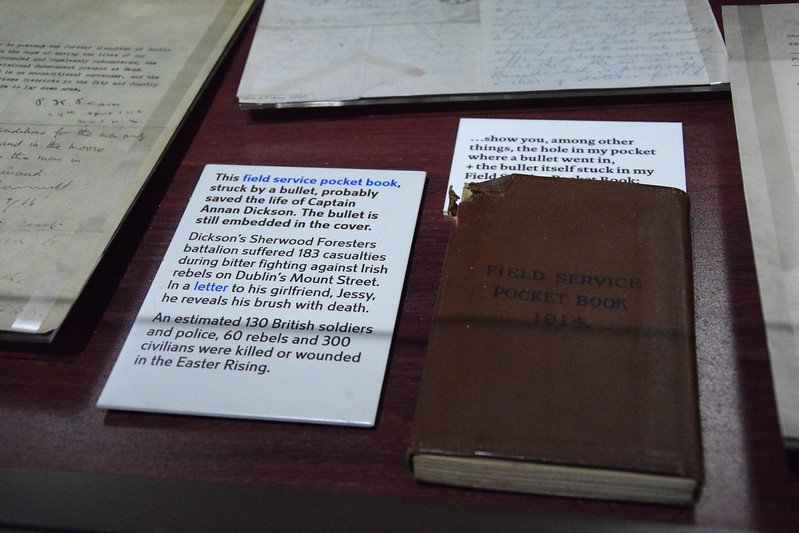
    However, one object at the exhibition held my attention for longer. It was a button – a symbol of a brief ceasefire, of brotherhood and of humanity in the middle of the cruelty of World War. It is a reminder of the events of late 1914, known as the Christmas Truce.

    Imperial War Museum, London

    The exhibit label reads: ‘German soldier Werner Keil scribbled his name and gave this uniform button to 19-year-old Corporal Eric Rowden of the Queen’s Westminster Rifles on Christmas Day 1914. In his diary, Rowden wrote, “I went out and found a German who spoke English a little, and we exchanged buttons and cigarettes, and I had 2 or 3 cigars given me, and we laughed and joked together, having forgotten war altogether”.’

    Imperial War Museum, London

    Moments of peace – carols, gifts and fraternisation

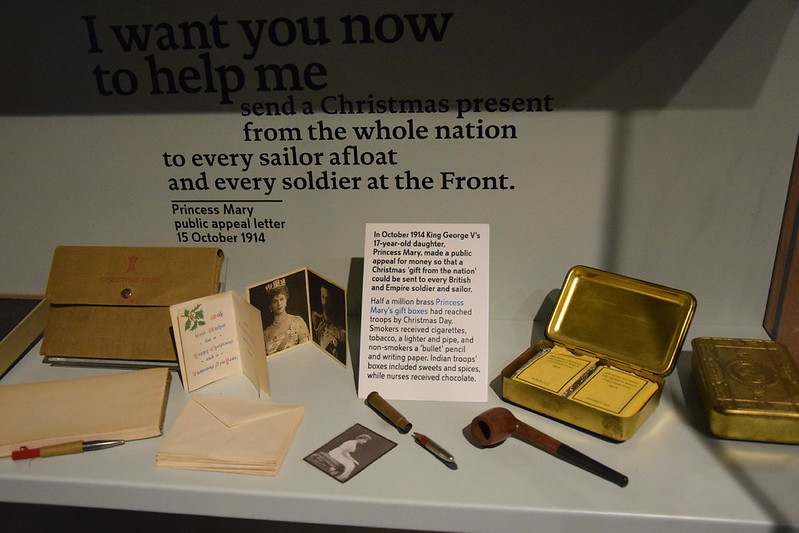
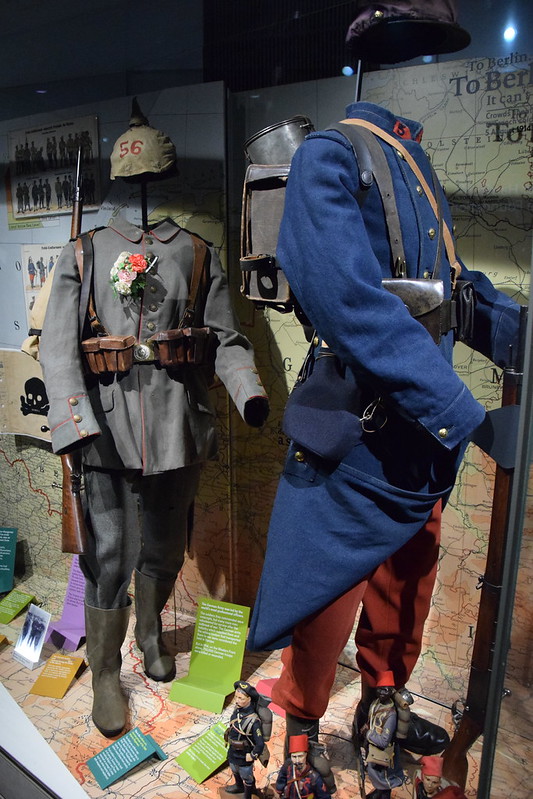
    On Christmas Eve, December 24, 1914, British, German, and French soldiers on the Western Front chose to disregard explicit orders from their superiors, as well as the threat of consequences such as court-martial and even execution. They bravely emerged from their trenches, laid down their weapons, and celebrated the holiday together. Diaries and other accounts from that time describe football games, the singing of Christmas carols, the exchange of gifts, Bible readings, and even shared meals with the enemy.

    Imperial War Museum, London

    Behind the trenches — reactions and aftermath

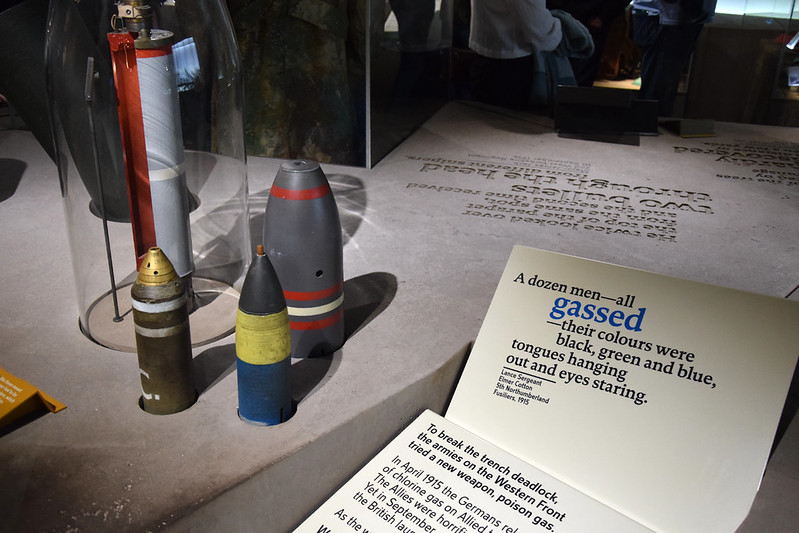
    High Command Was Furious. The Truce deeply alarmed military leaders on both sides. Officers issued strict orders afterwards forbidding any fraternisation, and in many sectors the truce was never repeated. By Christmas 1915, the tone of the war had hardened dramatically – gas attacks, heavy artillery, and massive casualties made a similar ceasefire impossible.

    Imperial War Museum, London

    A word of command has made these silent figures our enemies; a word of command might transform them into our friends. At some table a document is signed by some persons whom none of us knows, and then for years together that very crime on which formerly the world’s condemnation and severest penalty fall, becomes our highest aim.

    Erich Maria Remarque, All Quiet on the Western Front

    Remembrance and cultural legacy

    Many books have been published about the 1914 Christmas Truce. Among the most notable are Truce: The Day the Soldiers Stopped Fighting by Jim Murphy and Silent Night: The Story of the World War I Christmas Truce by Stanley Weintraub.

    One of the most popular poems capturing the spirit of that night is Carol Ann Duffy’s The Christmas Truce.

    […]

    All night, along the Western Front, they sang, the enemies –

    carols, hymns, folk songs, anthems, in German, English, French;

    each battalion choired in its grim trench.

    So Christmas dawned, wrapped in mist, to open itself

    and offer the day like a gift

    for Harry, Hugo, Hermann, Henry, Heinz … with whistles, waves, cheers, shouts, laughs.

    […]

    Carol Ann Duffy, The Christmas Truce

    Imperial War Museum, London

    The events of that remarkable evening have inspired not only historians, writers, and poets but also artists in popular culture. The Christmas Truce of 1914 is referenced in songs such as Pipes of Peace by Paul McCartney, All Together Now by The Farm, Christmas Truce by Sabaton, and Christmas in the Trenches, a beautiful and moving ballad by John McCutcheon.

    In 2014, Sainsbury’s released a Christmas advertisement recalling events from 100 years earlier.

    If you find my work valuable, you can support it here:
    Buy Me a Coffee

  • Small things like these: From Novella to Ireland’s Dark History

    Small Things Like These – a quiet Christmas story with a sharp edge

    Christmas is coming. And maybe this time, instead of Dickens, we could read Claire Keegan. Instead of A Christmas Carol, Small Things Like These, a Booker Prize finalist from three years ago. A moving story full of Christmas spirit, about the power of everyday choices. How small acts of kindness can save lives and stand against hypocrisy and evil – the institutionalised violence done in the name of a religion whose first and greatest commandment is to love your neighbour…

    The Good Shepherd nuns, in charge of the convent, ran a training school there for girls, a providing them with basic education. They also ran a laundry business. Little was known about the training school, but the laundry had a good reputation. (…) Reports were that everything that was sent in, whether it be a raft of bedlinen or just a dozen handkerchiefs, came back same as new.

    There was other talk, too, about the place. Some said that the training school girls, as they were known, weren’t students of anything, but girls of low character who spent their days being reformed, doing penance by washing stains out of the dirty linen, that they worked from dawn til night. The local nurse had told that she’d been called out to treat a fifteen-year-old with varicose veins from standing so long at the wash-tubs. Others claimed that it was the nuns themselves who worked their fingers to the bone, knitting Aran jumpers and threading rosary beads for export, that they had hearts of gold and problems with their eyes, and weren’t allowed to speak, only to pray, that some were fed no more than bread and butter for half the day but were allowed a hot dinner in the evenings, once their work was done. Others swore the place was no better than a mother-and-baby home where common, unmarried girls went in to be hidden away after they had given birth, saying it was their own people who had put them in there after their illegitimates had been adopted out to rich Americans, or sent off to Australia, that the nuns got good money by placing these babies out foreign, that it was an industry they had going.

    Claire Keegan, Small Things Like These

    Breaking the silence – voices that challenged Ireland’s moral order

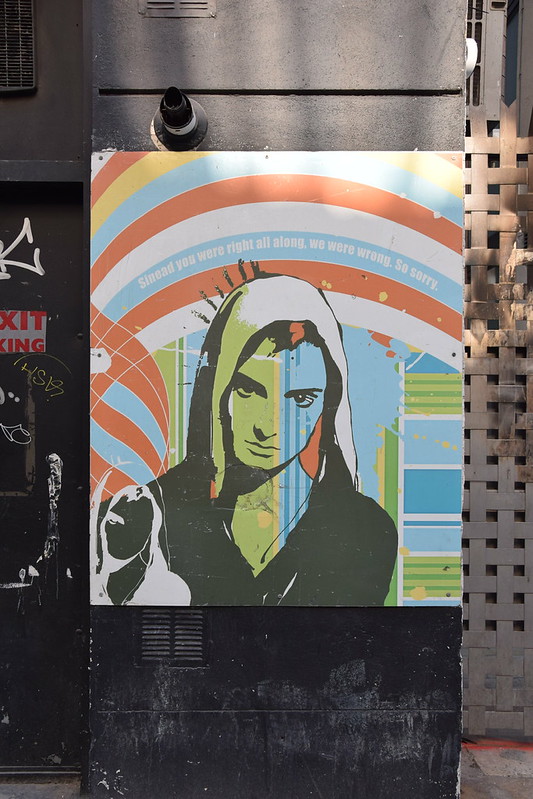
    Sinéad O’Connor, Dublin, Ireland

    When the main character of this short novel, coal delivery man Bill Furlong, goes through the convent gate, it is 1985. Seven years later, on 3 October 1992, Sinéad O’Connor tore up a picture of Pope John Paul II on Saturday Night Live. People saw this as blasphemy, and it ruined her career. She was criticised for saying out loud what half the world now talks about.

    Interestingly, in James Joyce’s story The Sisters, published in 1904 in The Irish Homestead Journal (and included ten years later in the collection Dubliners), the nine-year-old narrator wonders why the death of his intellectual and spiritual mentor, Father James Flynn, brought him relief. From the half-spoken conversations among the adults, we learn that the priest had some secret that everyone supposedly knew about, but no one spoke of directly. The hints, however, are quite clear (at least from today’s perspective). They paint a picture of a depraved clergyman who harmed a child who trusted him. One of the characters sums it up by saying:

    It’s bad for children. My idea is: let a young lad run about and play with young lads of his own age and not be…

    James Joyce, Sisters

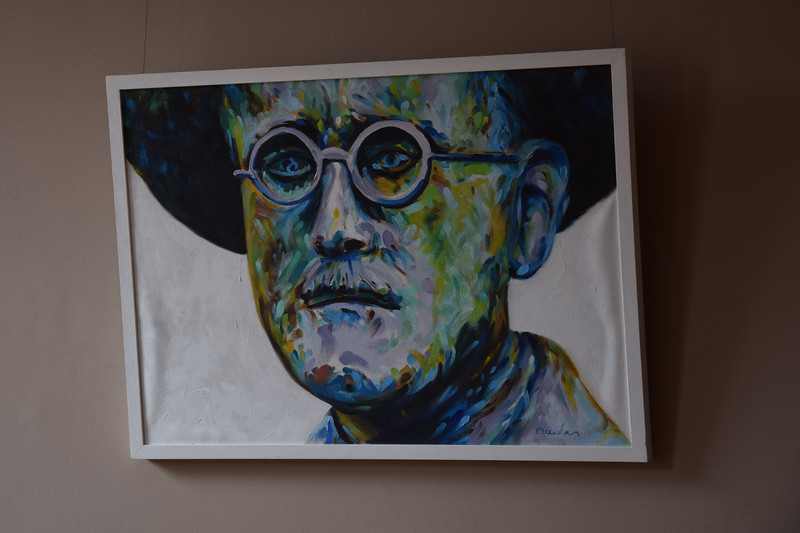
    James Joyce portrait
    James Joyce Centre, Dublin

    Joyce did not finish that sentence at the time. The Irish had to wait several more decades. The silence was finally broken by actor and performer Gerard Mannix Flynn, who, as a teenager, spent two years in an industrial school in Letterfrack, run from the late 19th century by the Catholic organisation Christian Brothers. His book, Nothing to say (published in 1983), became one of the first voices speaking out about the sexual abuse of minors by clergy.

    Writing the story was frightening: I knew that certain sections of Irish society would reject the notion that the Christian Brothers could do anything wrong. As for the sexual abuse, well, that word was just not heard anywhere in Ireland. Strange, because they all knew that children were being sexually abused by those in authority; the government knew, the police knew, the clergy and religious knew, yet nobody could name it. They were afraid of their own shame, and conspired to deny and hide it.

    Gerard Mannix Flynn, Nothing to say

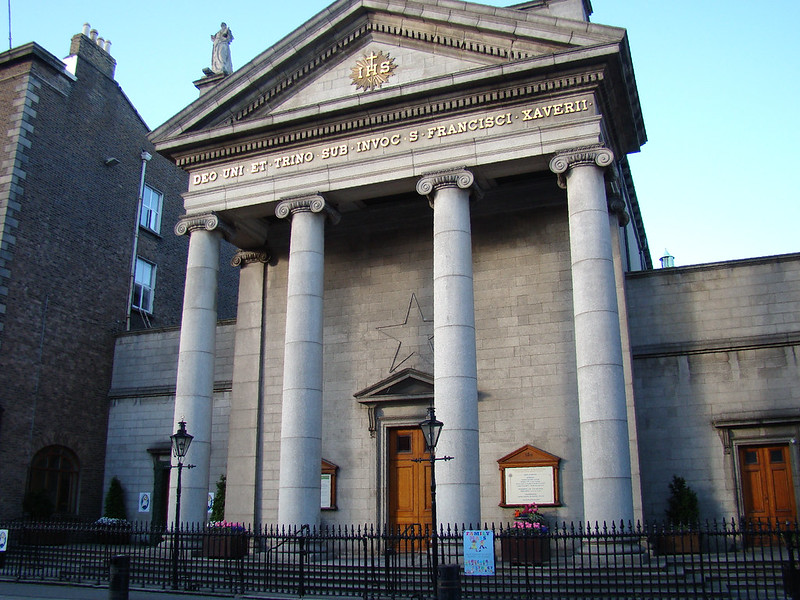
    St Francis Xavier Church, Dublin
    St Francis Xavier Church, Dublin

    Behind the convent gates – Magdalene laundries and hidden abuse

    The use of violence was supported by institutions run across Ireland by the Catholic Church and religious organisations. Care and education centres, which were supposed to provide rehabilitation for young people, in reality often functioned as high-security prisons, where children and adolescents were exploited as cheap labour and repeatedly subjected to physical abuse and sexual assault. There are known cases of fatal beatings, prolonged isolation of children from their families, rape, and psychological mistreatment of residents. Among such institutions were the so-called Magdalene laundries, which were meant to help prostitutes or single, often underage mothers with “unwanted” children (whom the nuns frequently took away, claiming they would not be good mothers and did not deserve a child). In a final note to her text, Claire Keegan explains:

    Ireland’s or last Magdalen laundry was not closed down until 1996. It is not known how many girls and women were concealed, incarcerated and forced to labour in these institutions. Ten thousand is the modest figure; thirty thousand is probably more accurate. Most of the records from the Magdalen laundries were destroyed, lost, or made inaccessible. Rarely was any of these girls’ or women’s work recognised or acknowledged in any way. Many girls and women lost their babies. Some lost their lives. Some or most lost the lives they could have had. It is not known how many thousands of infants died in these institutions or were adopted out from the mother-and-baby homes. Earlier this year, the Mother and Baby Home Commission Report found that nine thousand children died in just eighteen of the institutions investigated. In 2014, the historian Catherine Corless made public her shocking discovery that 796 babies died between 1925 and 1961 in the Tuam home, in County Galway. These institutions were run and financed by the Catholic Church in concert with the Irish State. No apology was issued by the Irish government over the Magdalen laundries until Taoiseach Enda Kenny did so in 2013.

    Claire Keegan, Small Things Like These

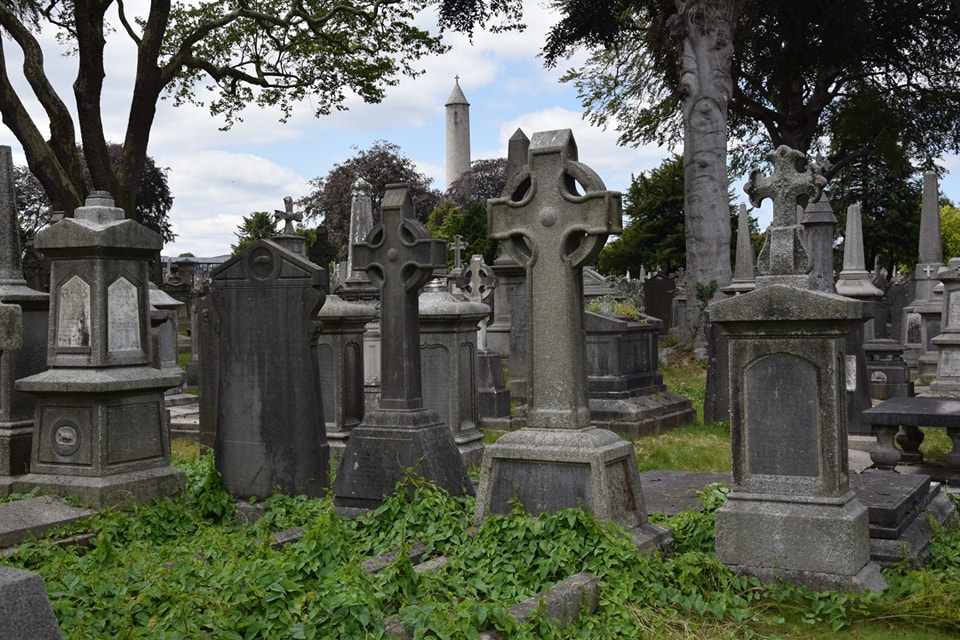
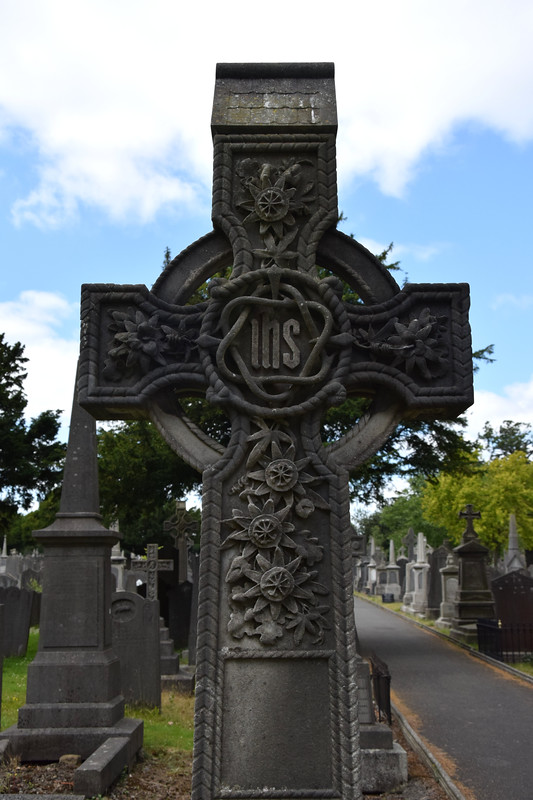
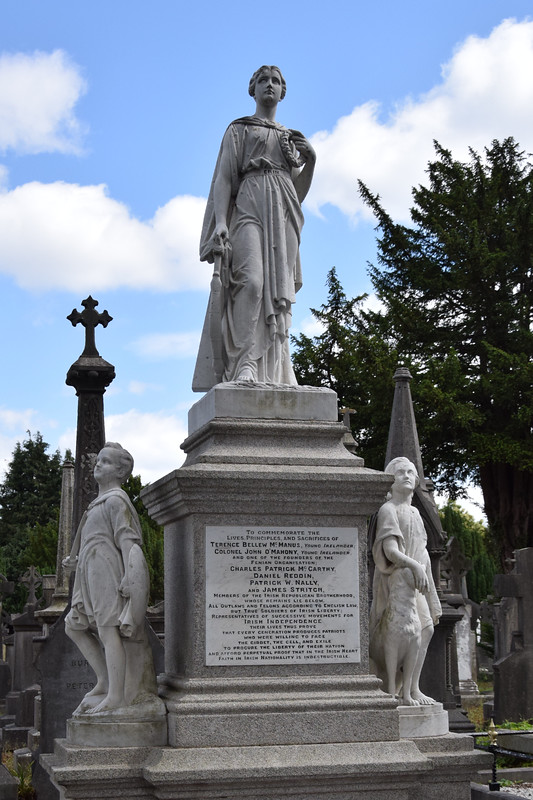
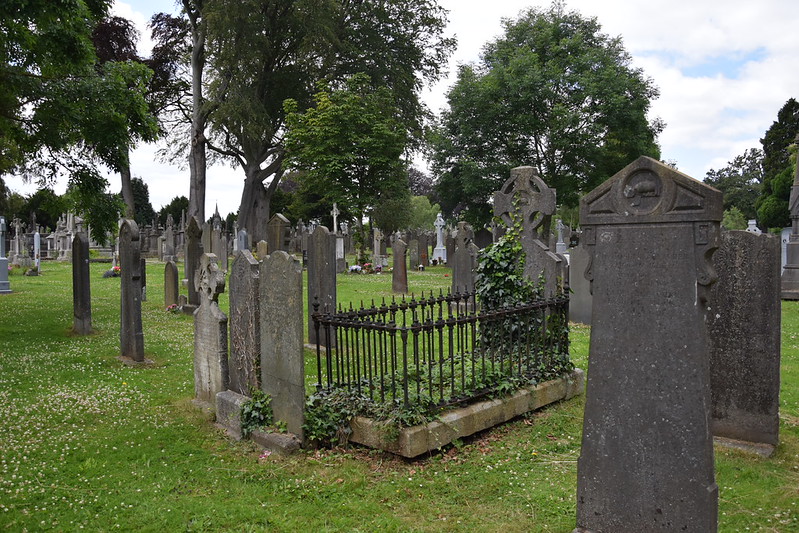
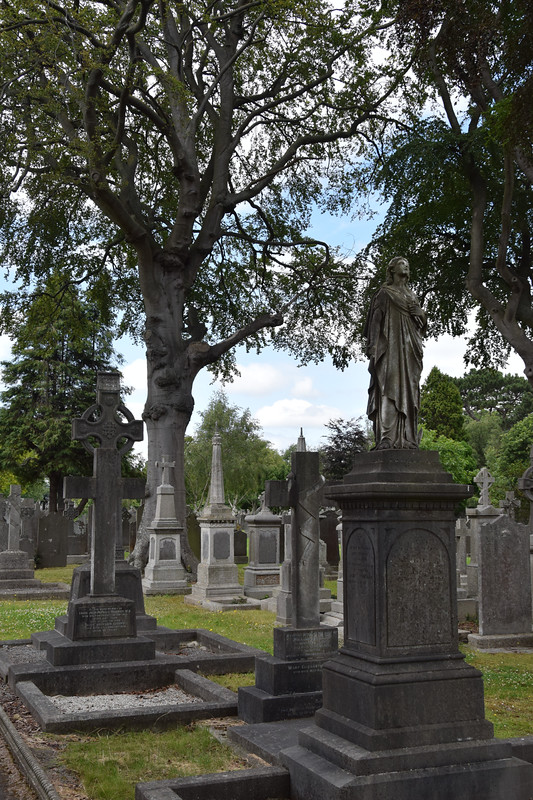
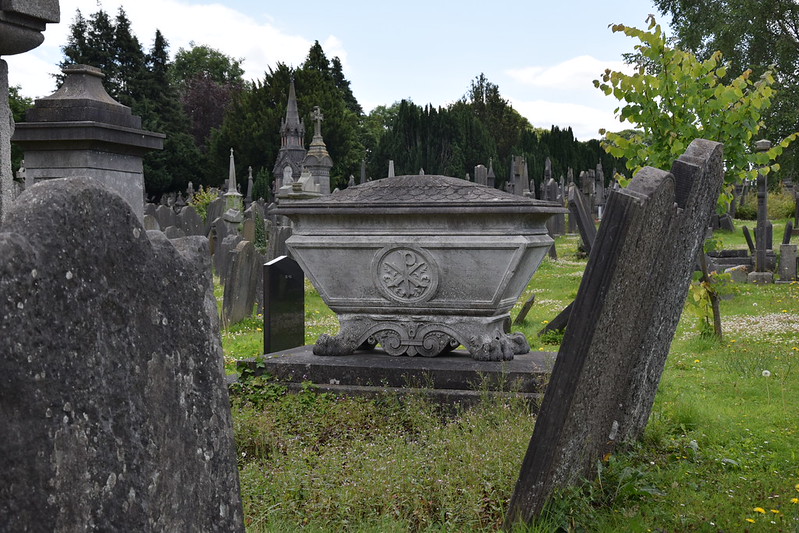
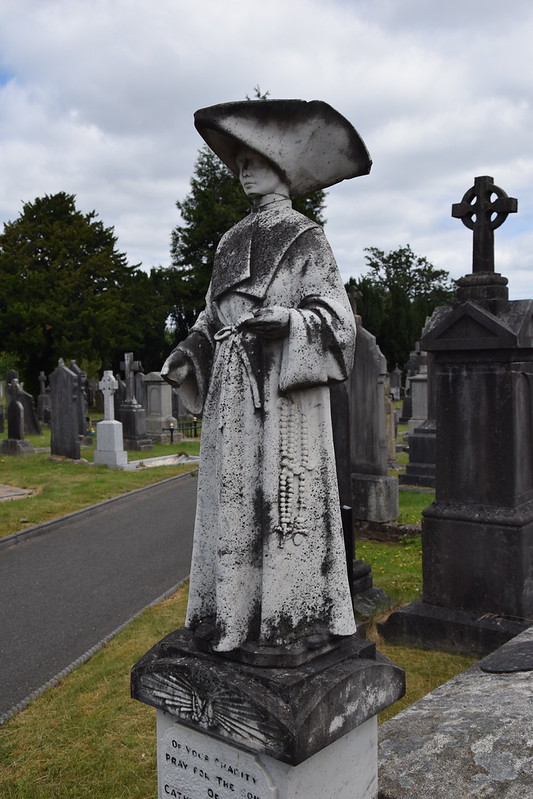
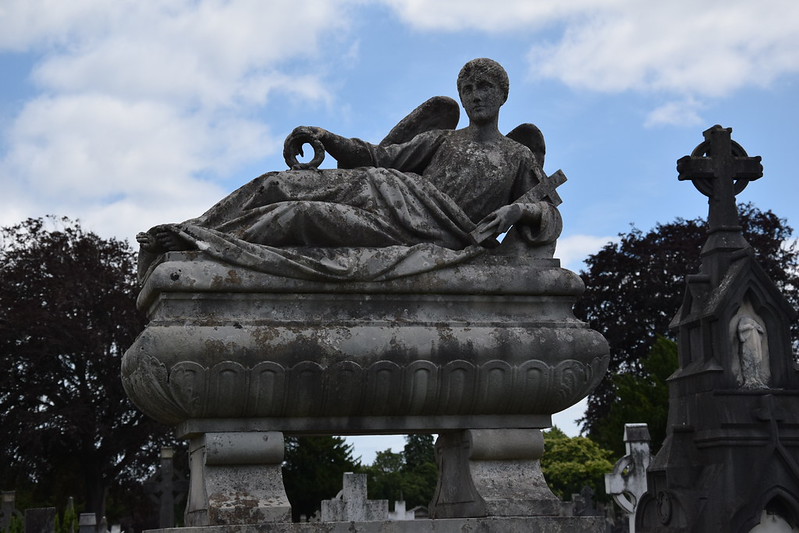
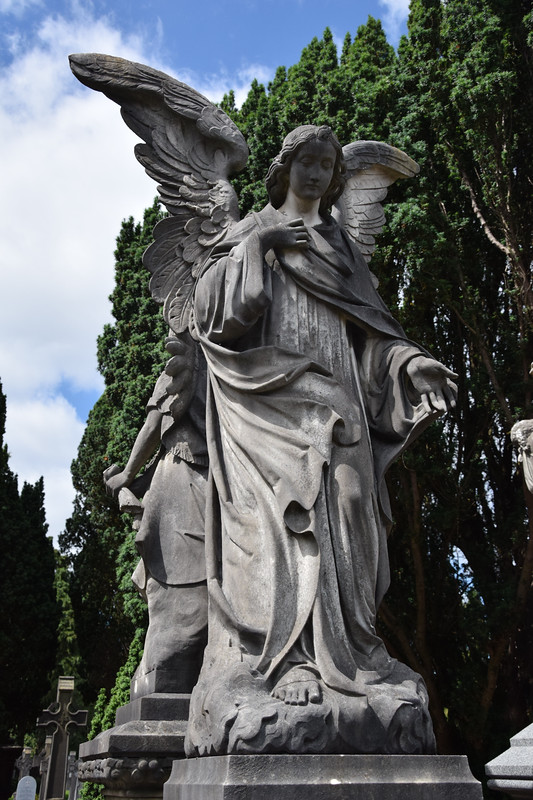
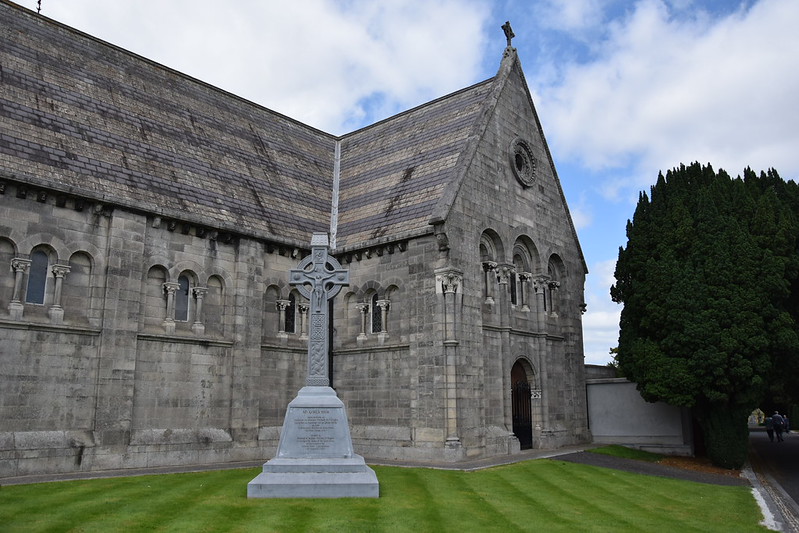
    Glasnevin Cemetery, Dublin Ireland
    Glasnevin Cemetery, Dublin

    What remains after the silence is broken

    The Magdalene laundries have become one of the most powerful cultural symbols of institutional violence against women in Ireland. Peter Mullan’s 2002 film The Magdalene Sisters – written and directed by Mullan – shocked public opinion by showing the brutal reality inside those institutions. Joni Mitchell’s protest song The Magdalene Laundries gives a similarly moving and critical voice. The work of Edna O’Brien, though often more indirect, also addresses the fate of Irish women trapped by social and religious systems of control. Together, these works form a layered picture of collective memory and critical reflection on the lives of women in 20th-century Ireland.

    To get the best out of people, you must always treat them well, Mrs Wilson used to say.

    Claire Keegan, Small Things Like These

    If you find my work valuable, you can support it here:
    Buy Me A Coffee
  • Virginia Woolf’s London – A Literary Guide to the City (Part 1)

    22 Hyde Park Gate, Kensington (1882–1904)

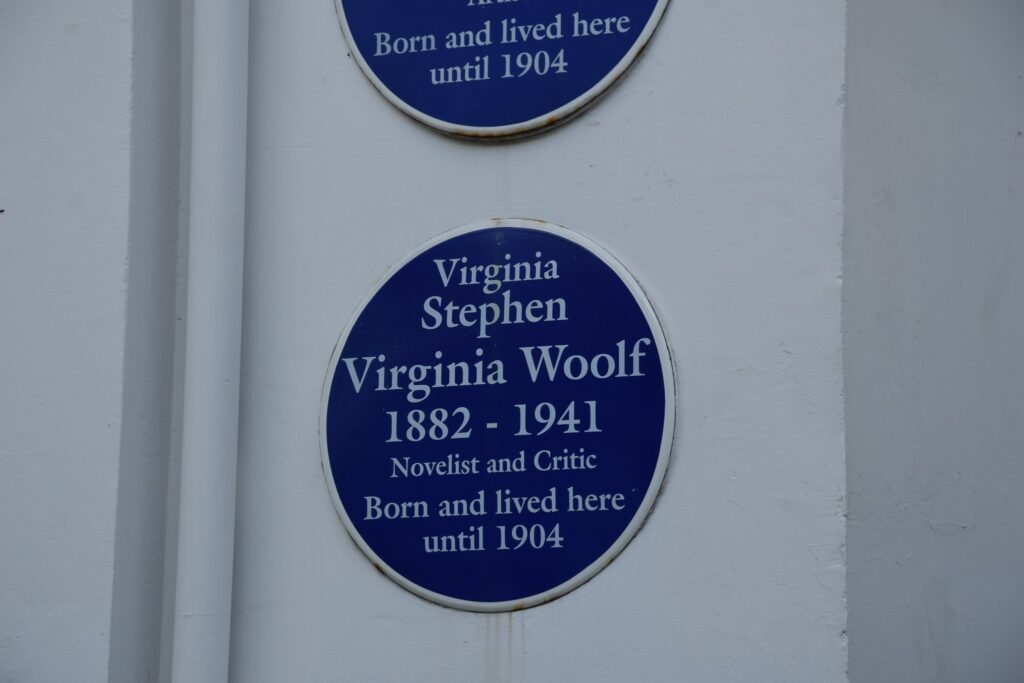
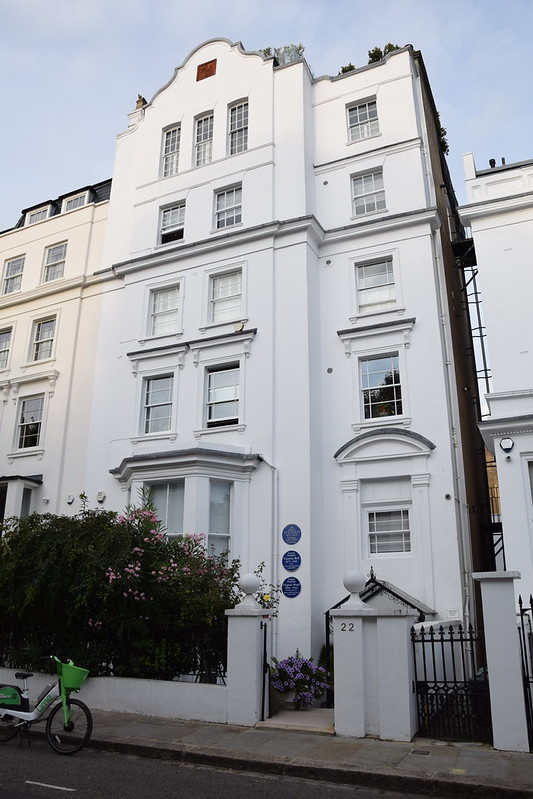
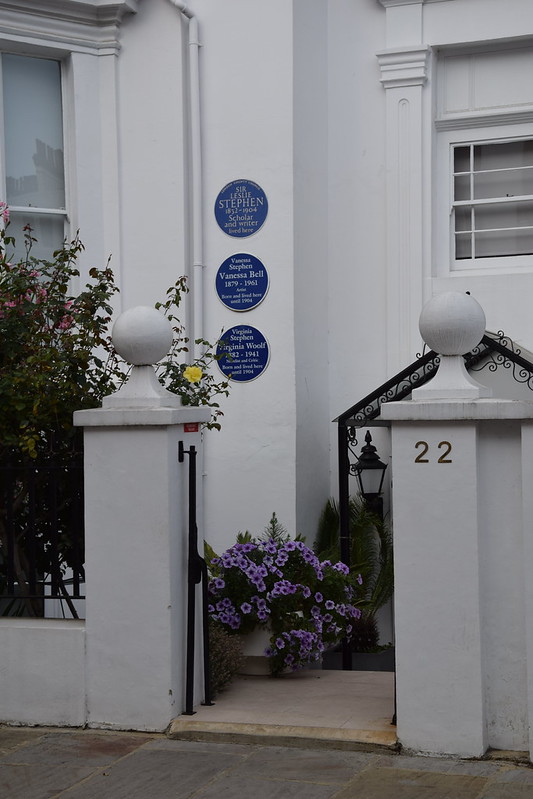
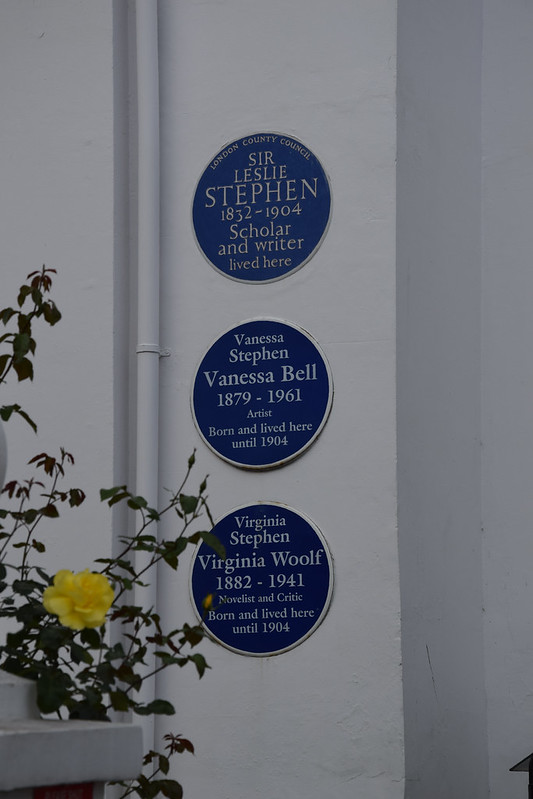
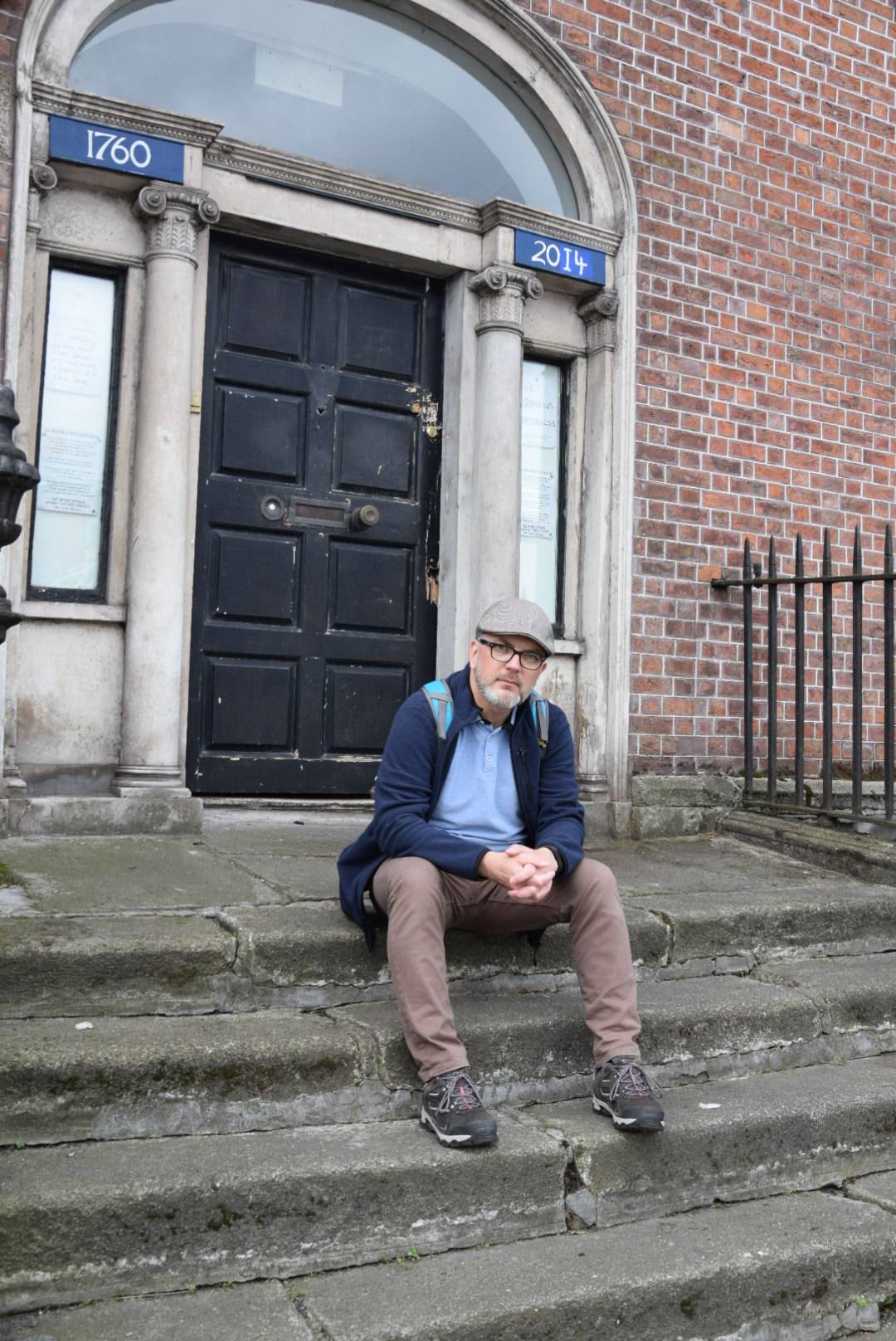
    While visiting London recently, I couldn’t resist returning to this place. I sat on the steps across the street and gazed at the stately townhouse where Virginia Woolf was born on January 25, 1882, as Adeline Virginia Stephen, the youngest daughter of the successful author and critic Sir Leslie Stephen. With a sense of emotion, I recalled the memories Woolf shares in her autobiographical essays, Moments of Being.

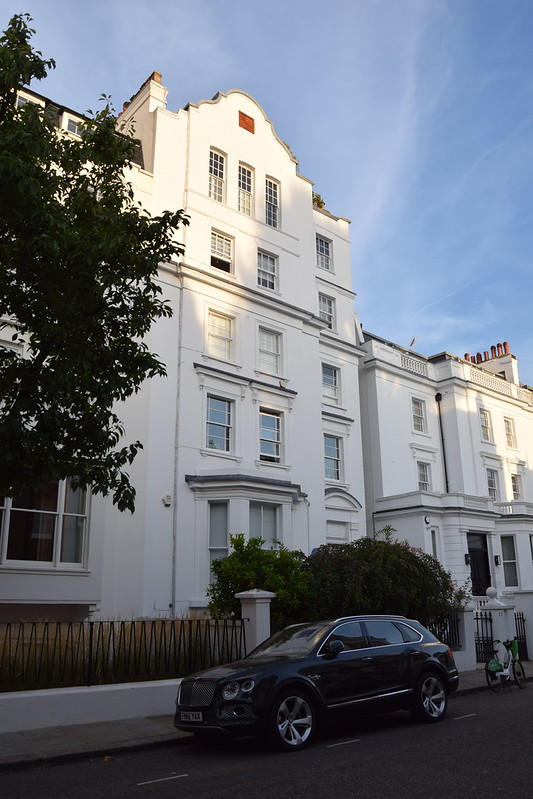
    22 Hyde Park Gate, London, the birthplace of Virginia Woolf

    The house was dark because the street was so narrow that one could see Mrs Redgrave washing her neck in her bedroom across the way; also because my mother who had been brought up in the Watts-Venedan-Little Holland House tradition had covered the furniture in red velvet and painted the woodwork black with thin gold lines upon it. The house was also completely quiet. Save for an occasional hansom or butcher’s cart nothing ever passed the door. One heard footsteps tapping down the street before we saw a top hat or a bonnet; one almost always knew who it was that passed; it might be Sir Arthur Clay; the Muir Mackenzies or the white-nosed Miss or the red-nosed Mrs Redgrave. Here then seventeen or eighteen people lived in small bedrooms with one bathroom and three water-closets between them.

    22 Hyde Park Gate, London, the birthplace of Virginia Woolf

    Here the four of us were born; here my grandmother died; here my mother died; here my father died; here Stella became engaged to Jack Hills and two doors further down the street after three months of marriage she died too. When I look back upon that house it seems to me so crowded with scenes of family life, grotesque, comic and tragic; with the violent emotions of youth, revolt, despair, intoxicating happiness, immense boredom, with parties of the famous and the dull; with rages again, George and Gerald; with love scenes with Jack Hills; with passionate affection for my father alternating with passionate hatred of him, all tingling and vibrating in an atmosphere of youthful bewilderment and curiosity that I feel suffocated by the recollection. The place seemed tangled and matted with emotion. I could write the history of every mark and scratch in my room, I wrote later. The walls and the rooms had in sober truth been built to our shape. We had permeated the whole vast fabric it has since been made into an hotel with our family history. It seemed as if the house and the family which had lived in it, thrown together as they were by so many deaths, so many emotions, so many traditions, must endure for ever. And then suddenly in one night both vanished.

    Virginia Woolf, Moments of Being – Autobiographical Essays

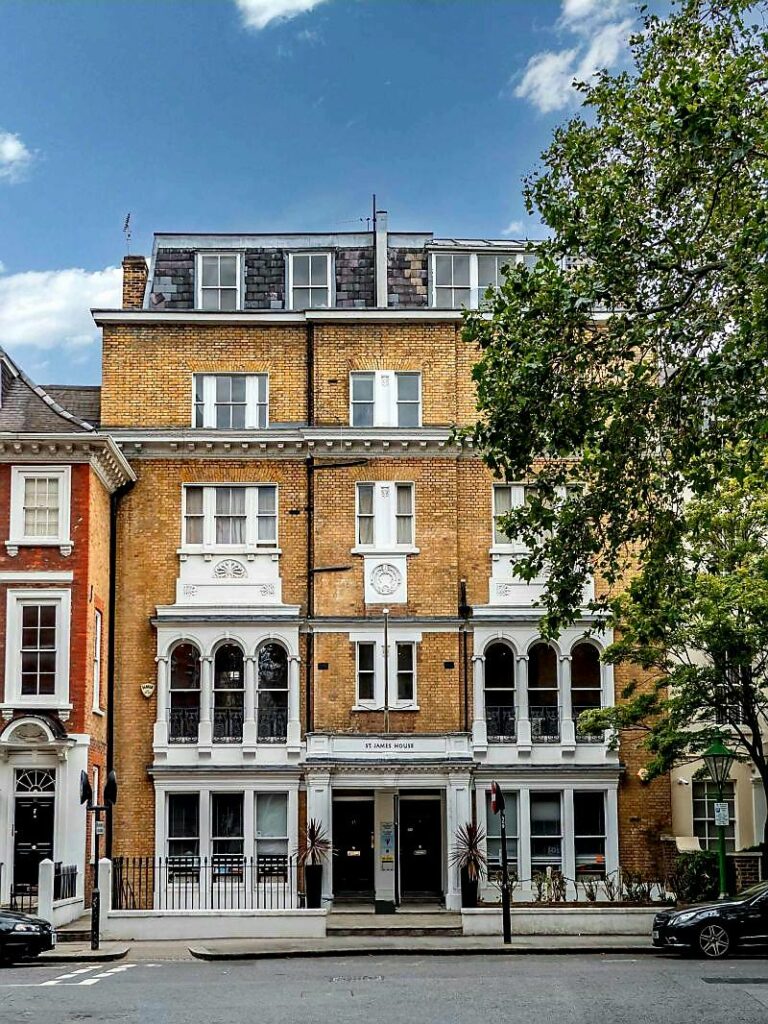
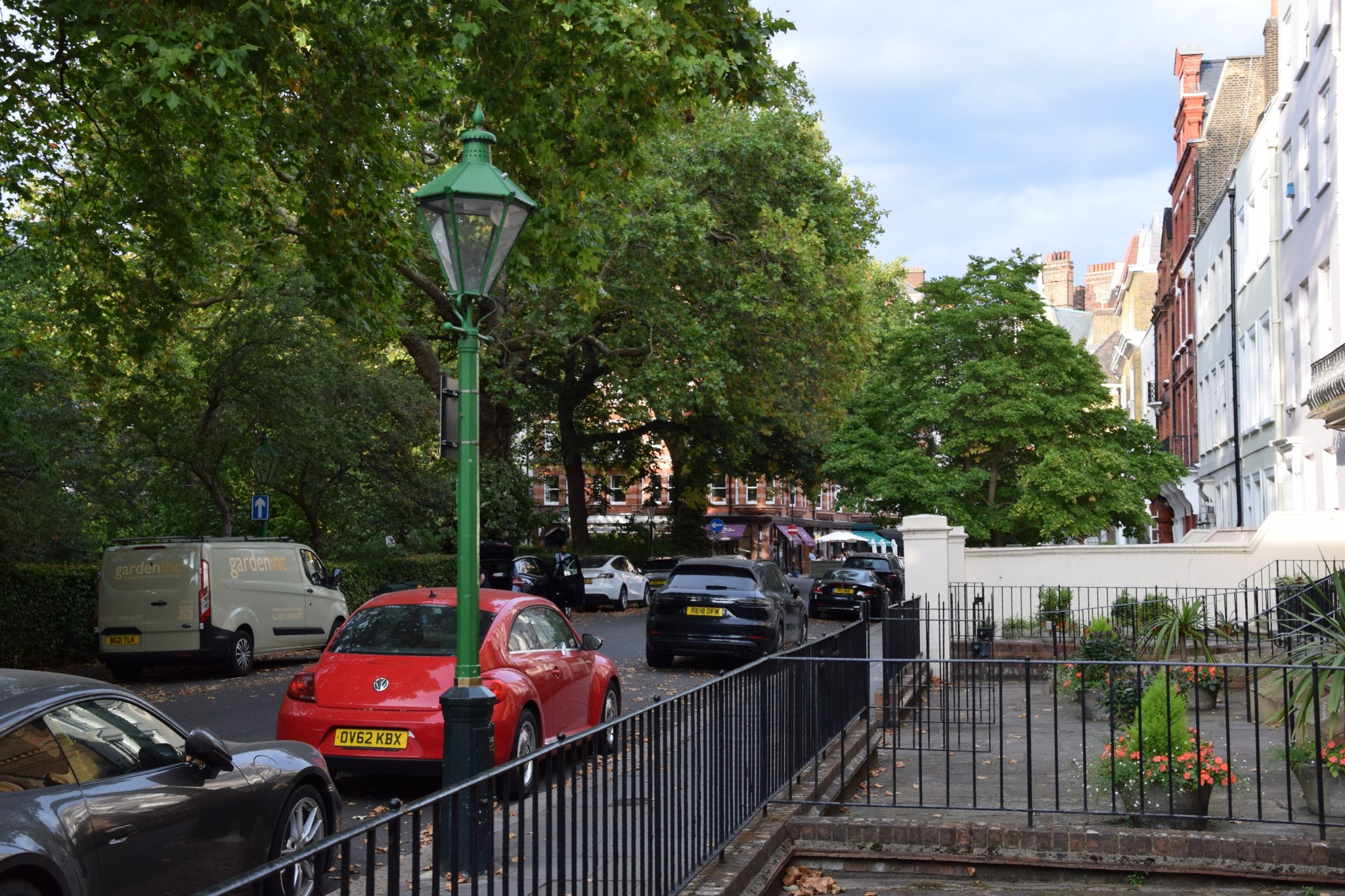
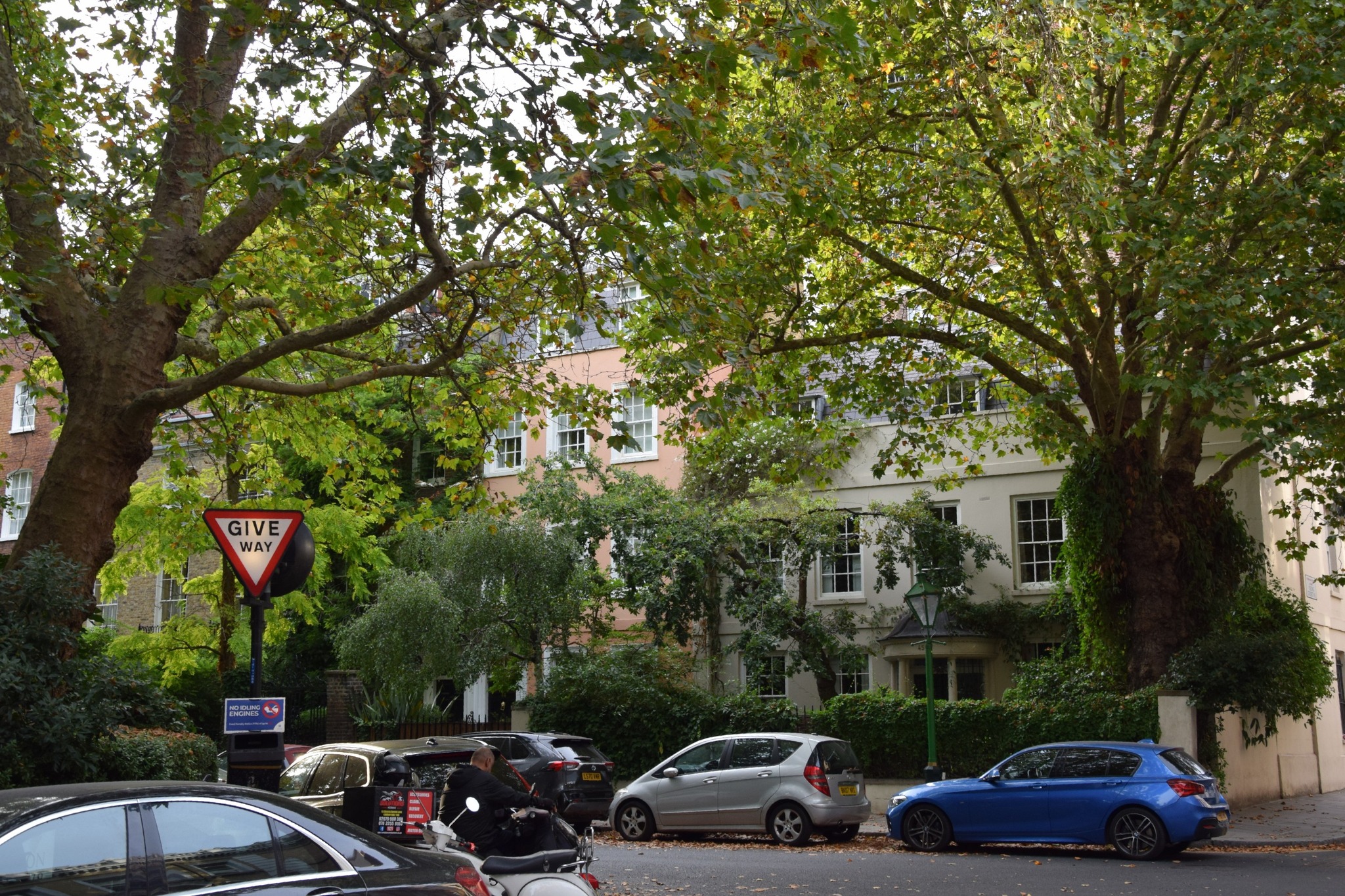
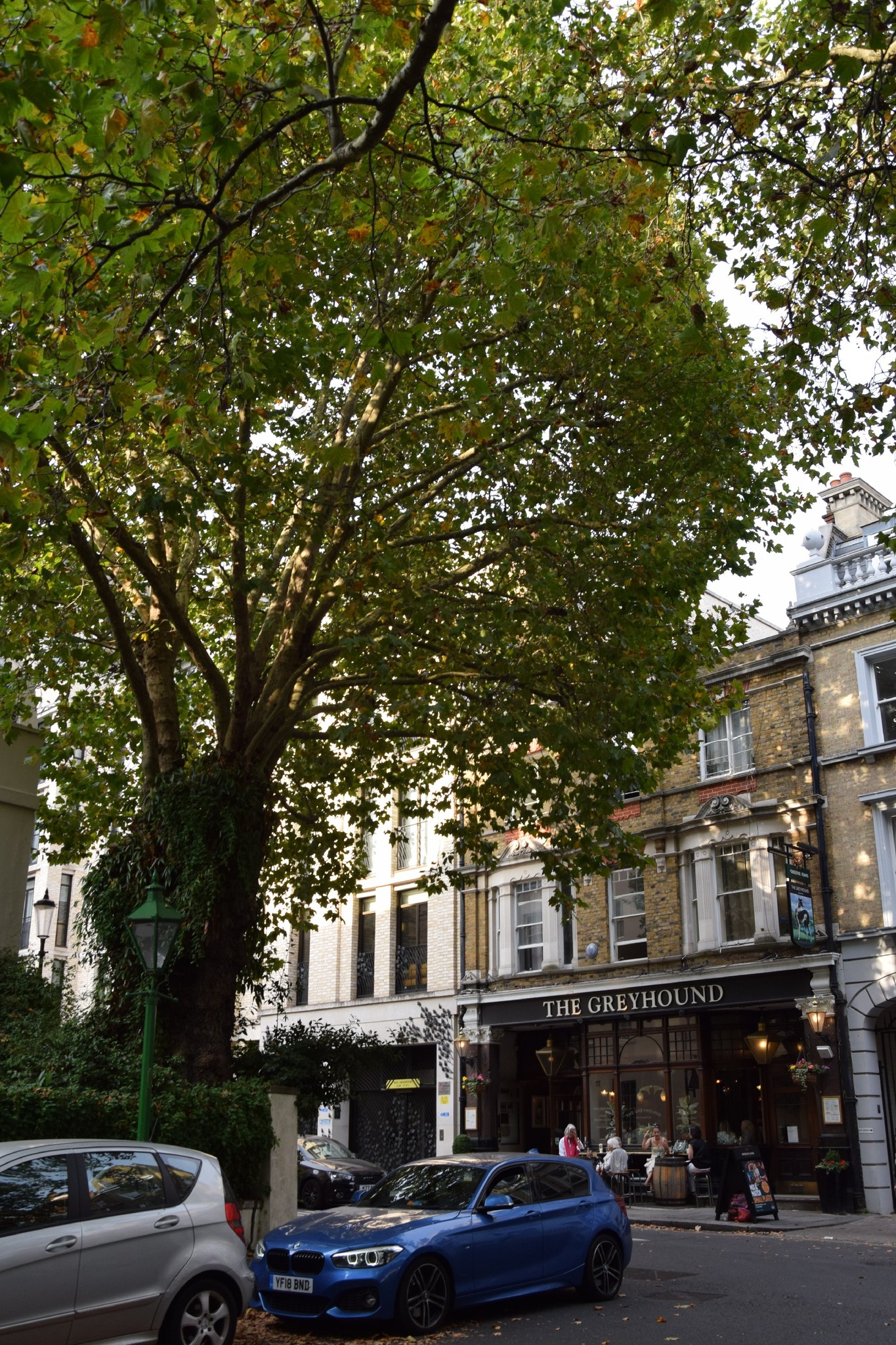
    13 Kensington Square

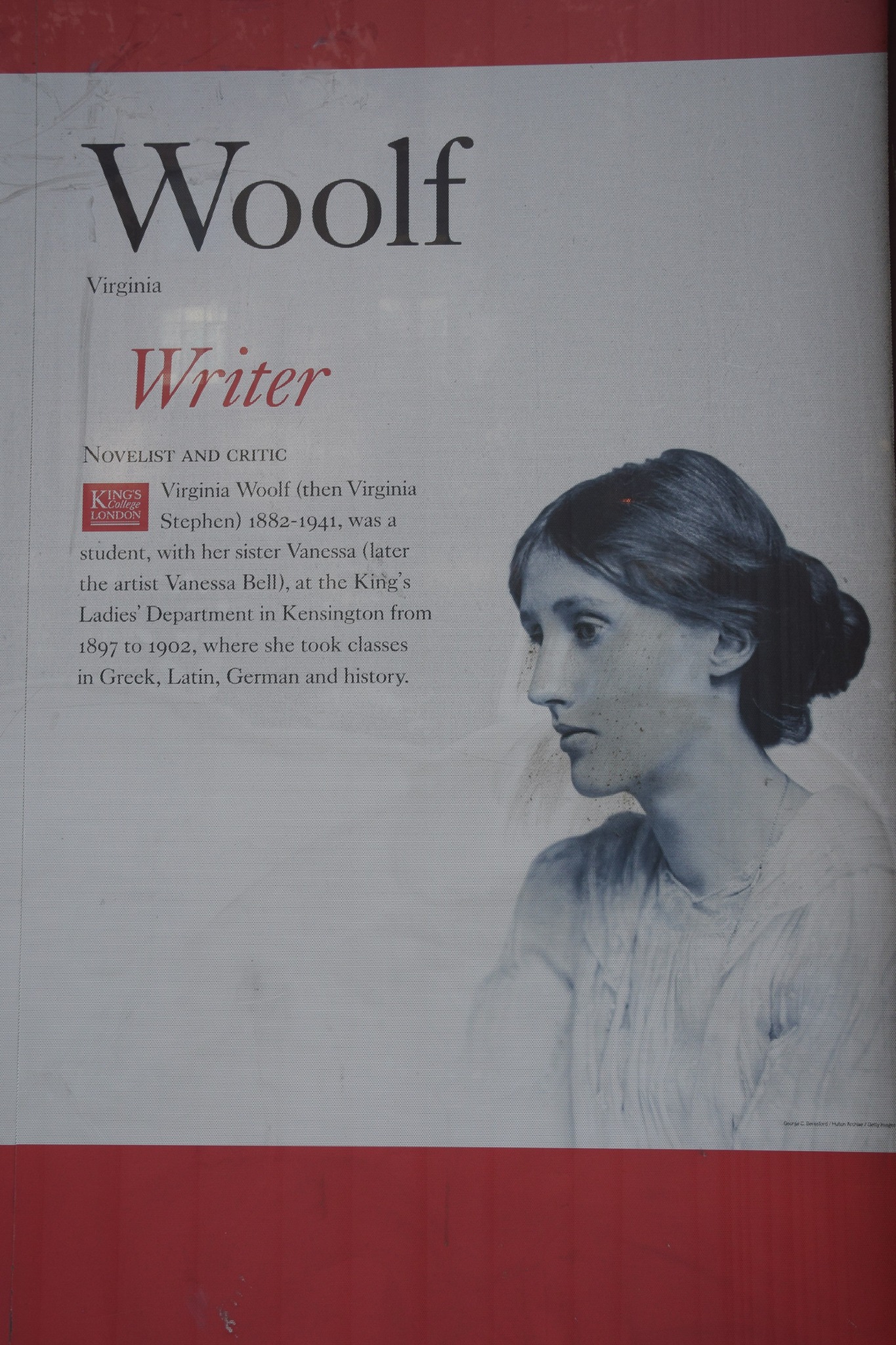
    In the second half of the nineteenth century, London saw the first academic institutions open their doors to women. One of the most important was the Ladies’ Department of King’s College London, which was established in 1885 at 13 Kensington Square. It provided women the opportunity to study subjects that had long been reserved almost entirely for men.

    St James’ House, 13 Kensington Square London

    Inside this townhouse, students attended lectures in history, literature, classical and modern languages, philosophy, and the sciences. The Department had academic standing while retaining an intimate character, with many lessons conducted in small groups. From the 1890s, Lilian Faithfull, a teacher and social reformer, played a leading role in advancing women’s education. Among the tutors were outstanding classicists such as Clara Pater and Janet Case, both of whom strongly influenced the intellectual growth of future writers and artists.

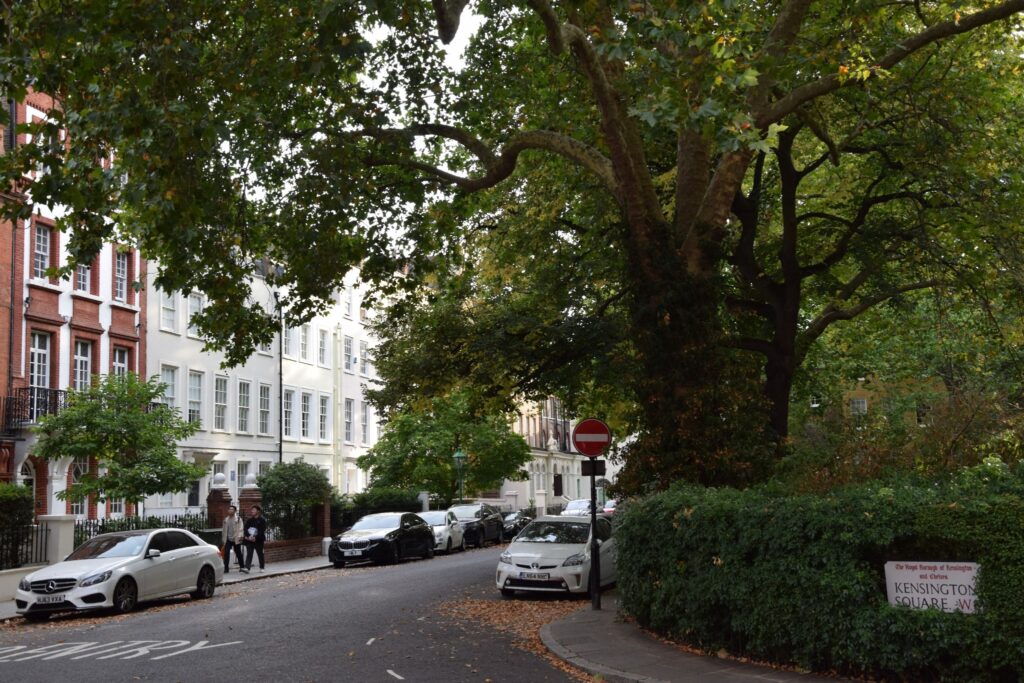
    Kensington Square, London

    It was here, between 1897 and 1902, that Virginia Stephen – later known as Virginia Woolf – studied history, Greek, Latin and German. She also took private Greek lessons with Janet Case. Her elder sister, the painter Vanessa Stephen (later Vanessa Bell), also studied at the Department. For both sisters, Kensington Square offered their first taste of academic life. Though limited by the restrictions placed on women at the time, the experience encouraged their later self-education and creativity.

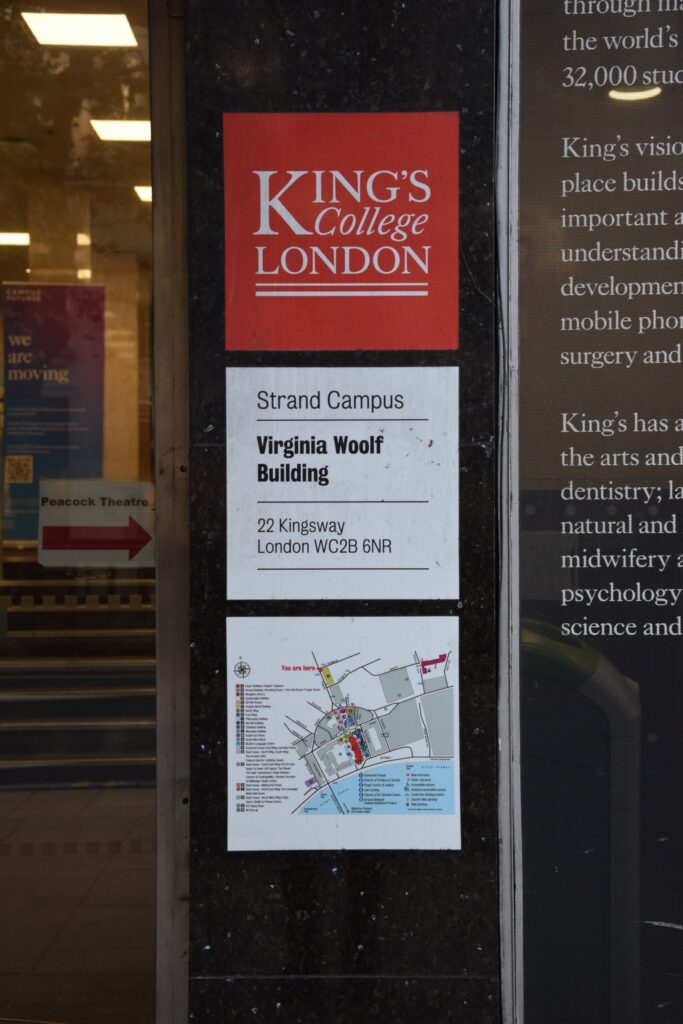
    King’s College London, Virginia Woolf Building, 22 Kingsway, London

    Today, the building at 13 Kensington Square is called St James’ House and serves as office space. It remains an important landmark in the history of women’s education in Britain. Virginia Woolf is remembered at King’s College London, where she is named among its distinguished former students, and one of the university buildings now carries her name (22 Kingsway, London).

    All photographs by the author.

    If you’d like to continue this literary walk, the second part of the guide explores further London locations connected to Virginia Woolf’s life and writing.

    If you find my work valuable, you can support it here:
    Buy Me A Coffee
  • The Gravediggers: Joyce’s Dublin Between Life and Death

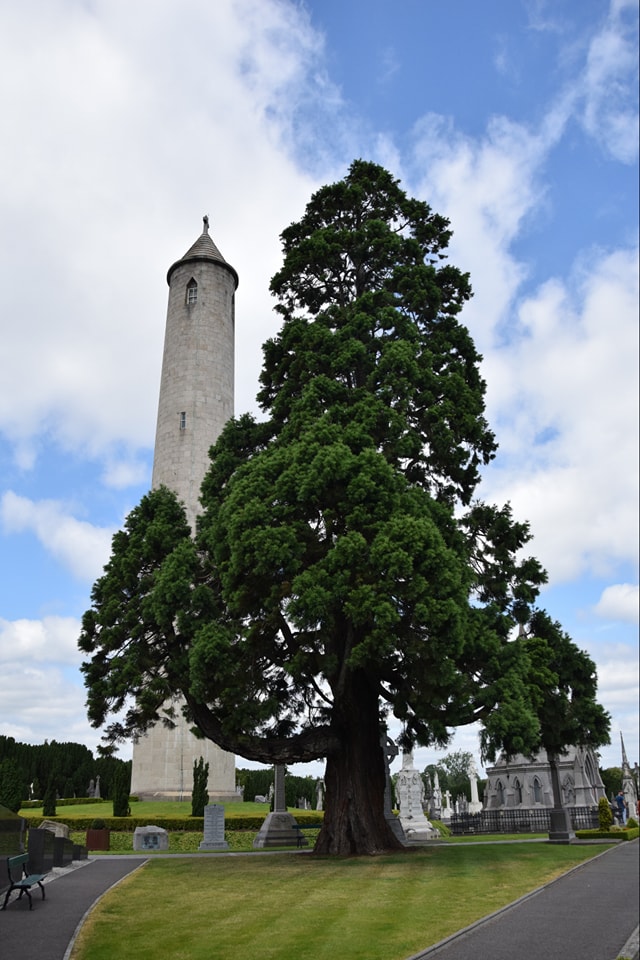
    Glasnevin Cemetery – Dublin’s national necropolis

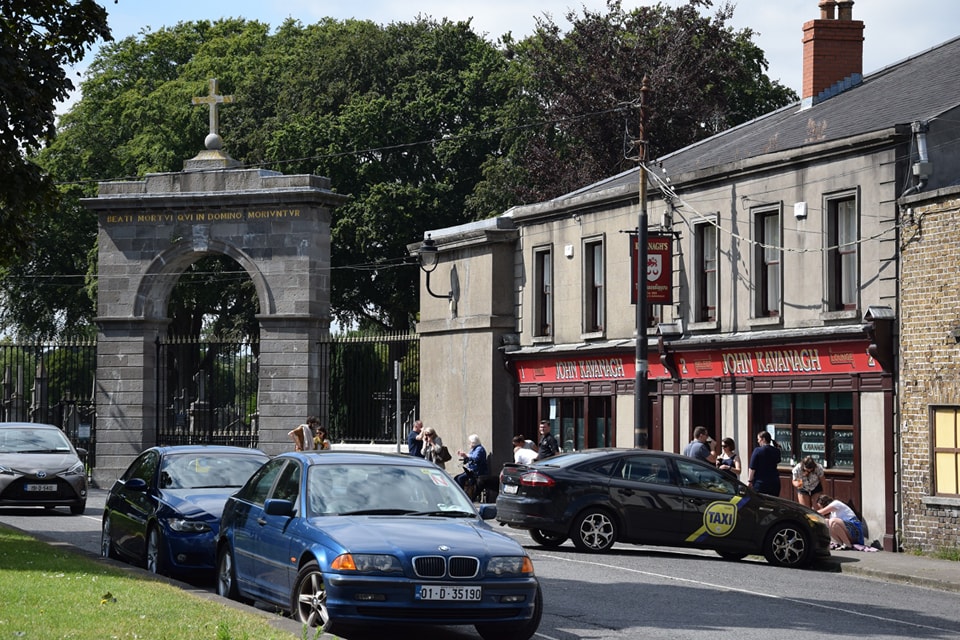
    Glasnevin Cemetery is Dublin’s national necropolis and one of the city’s most important literary landscapes. It is a place where memory, history, and everyday life meet – right beside The Gravediggers pub.

    Established in 1832, Glasnevin is the final resting place of over a million people, including many important cultural and political figures from Ireland. It is therefore not only a burial ground, but also a place of national memory.

    Glasnevin Cemetery also has personal meaning in the life of James Joyce. His parents, John Stanislaus Joyce and Mary Jane ‘May’ Joyce, are buried there, which adds a more intimate, family dimension to the writer’s connection with the place and the city.

    The Gravediggers pub – history at the gates of Glasnevin Cemetery

    The Gravediggers pub Dublin

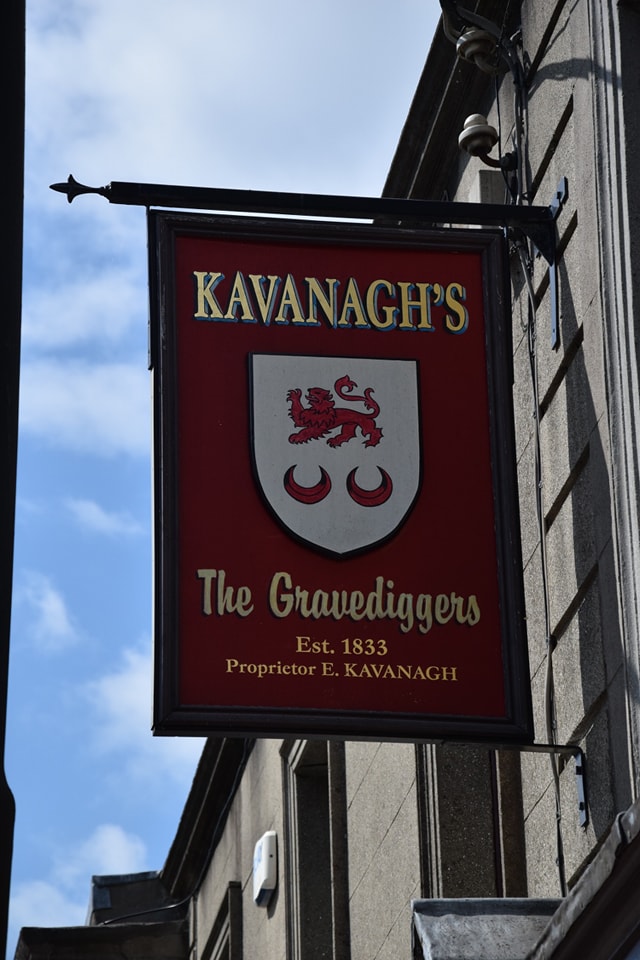
    Right next to one of the cemetery gates is a pub with the charming name ‘The Gravediggers’, founded by John Kavanagh in 1833. Kavanagh had a knack for business, because not only did he open a bar that attracted mourners and served the gravediggers who worked at the cemetery, but he also bought the land around it to prevent any potential competition in the immediate vicinity.

    The pub is named after the cemetery workers who were so keen to use its services. So keen that the main gate was eventually moved to another location, and a special window was made in the pub’s wall through which gravediggers could order beer by knocking on it with a shovel. Today, the pub’s guests are mostly tourists visiting the cemetery.

    The Gravediggers pub Dublin
    The Gravediggers pub

    Between literature and everyday life

    However, James Joyce does not mention The Gravediggers in his famous novel Ulysses although one of the characteristic scenes – the funeral of Paddy Dignam (Episode 6, Hades) – takes place in Glasnevin Cemetery.

    The O’Connell circle, Mr Dedalus said about him. (…)

    Mr Bloom walked unheeded along his grove by saddened angels, crosses, broken pillars, family vaults, stone hopes praying with upcast eyes, old Ireland’s hearts and hands. (…)

    How many! All these here once walked round Dublin. Faithful departed. As you are now so once were we. (…)

    The gates glimmered in front: still open. Back to the world again. Enough of this place. (…)

    Thank you. How grand we are this morning!

    James Joyce, Ulysses

    In the pub itself, part of the action of the novel Dublinesque by the Spanish writer Enrique Vila-Matas takes place.

    The story follows Samuel Riba, a retired Spanish publisher who loves books and worries about the decline of the literary world. He travels to Dublin with a few friends to hold a mock funeral for the ‘Gutenberg era’ – the age of printed books – inspired by Ulysses and the work of James Joyce.

    While in Dublin, they visit real places linked to Ulysses, including ‘The Gravediggers’. Vila-Matas uses the pub as both a real setting and a symbol – a place between life and death, past and present – which suits a story about endings: of people, books, and times gone by.

    All photographs by the author.

    For another Joyce-related place in Dublin, visit The House of the Dead: A Joyce Literary Landmark in Dublin

    If you find my work valuable, you can support it here:
    Buy Me A Coffee

  • The House of the Dead: A Joyce Literary Landmark in Dublin

    From Georgian townhouse to literary icon

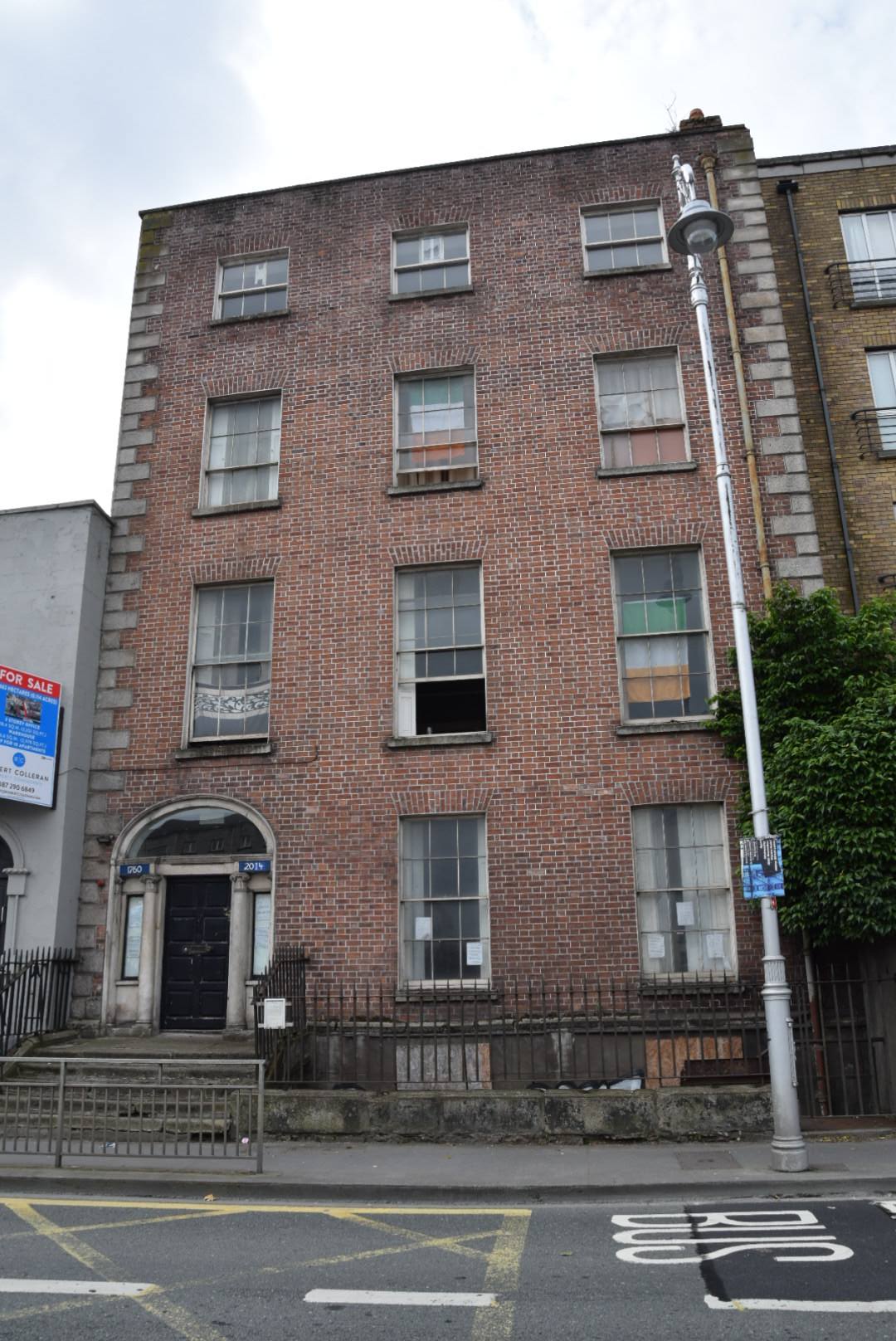
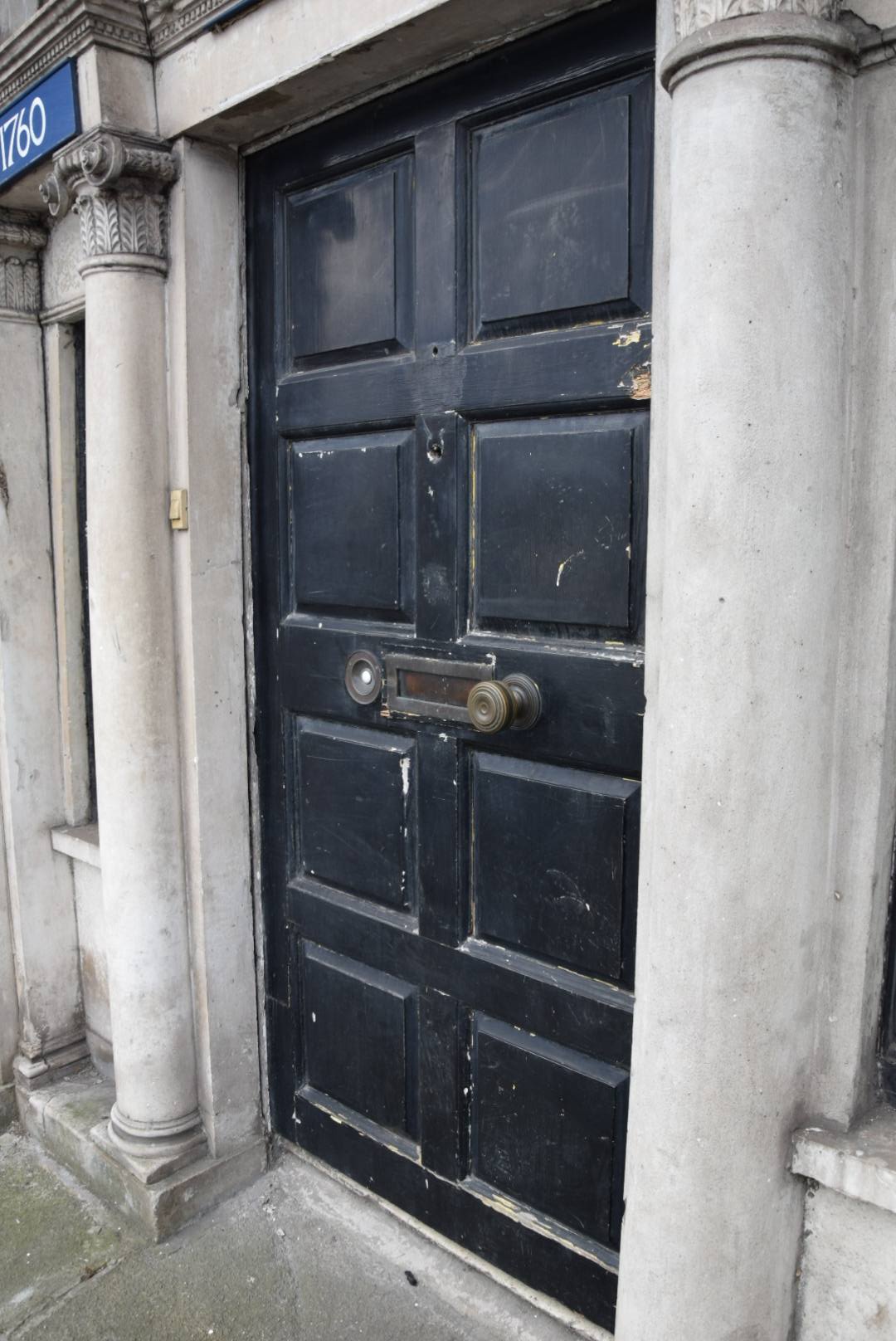
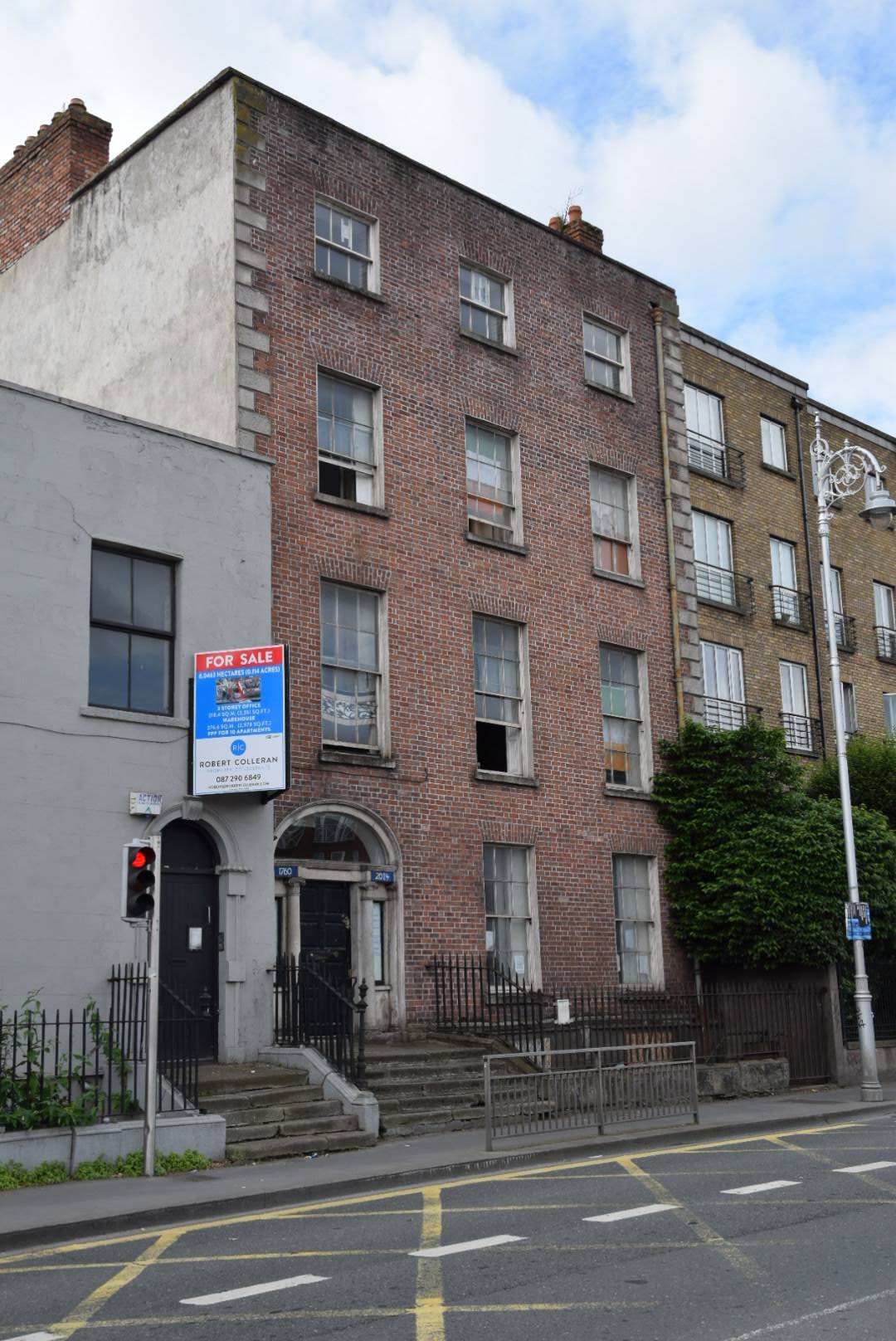
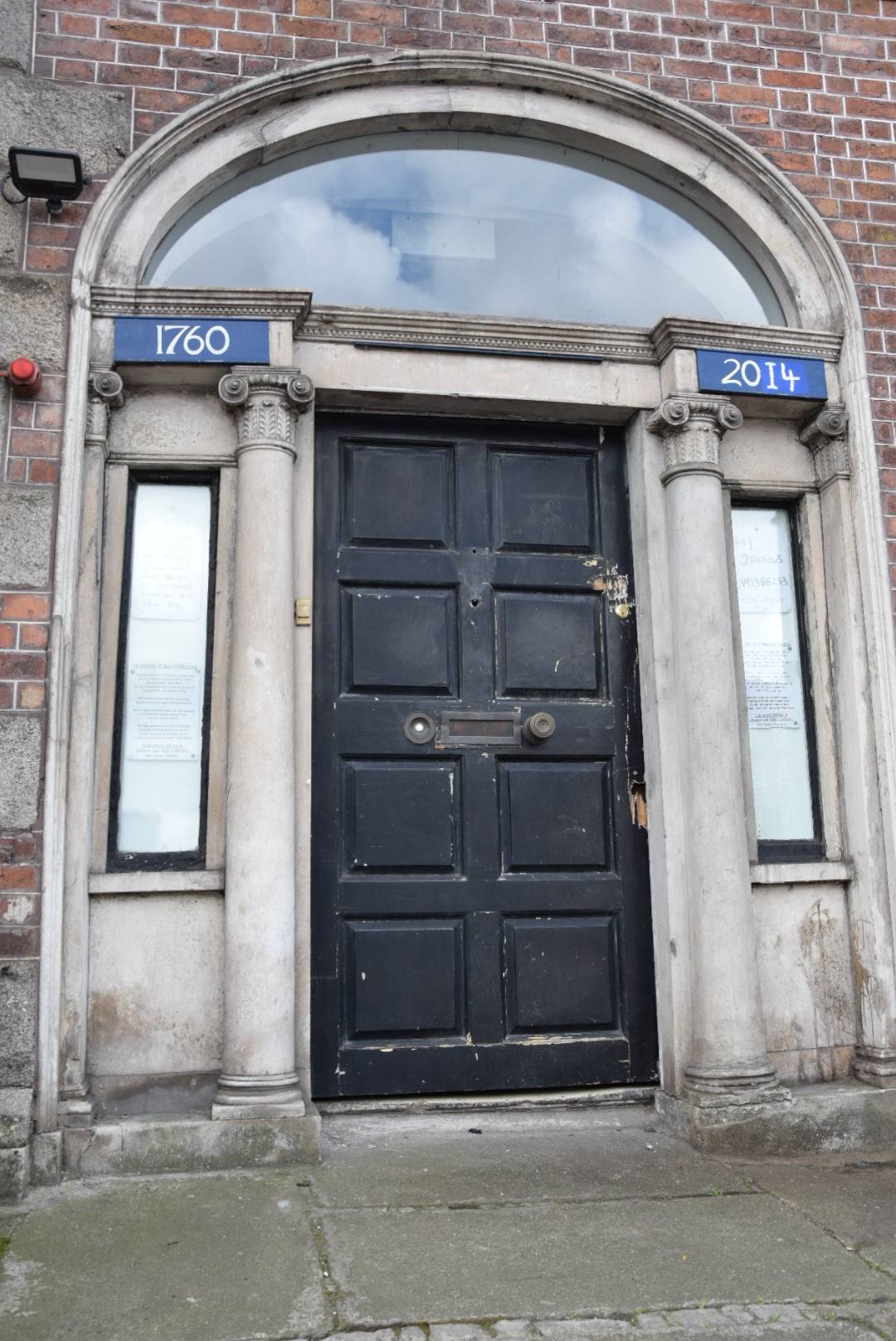
    15 Usher’s Island in Dublin, Ireland, is a classic Georgian townhouse overlooking the River Liffey. It’s an important part of literary history. In the late 1800s, the house was home to the grand-aunts of writer James Joyce, who also ran a music school there. Their home later became the setting for one of Joyce’s most famous stories, The Dead, the last one in his collection, Dubliners.

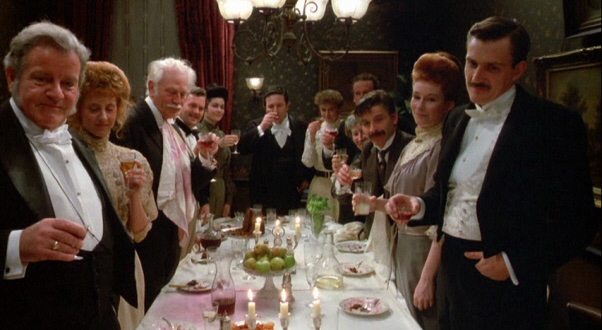
    Lily, the caretaker’s daughter, was literally run off her feet. Hardly had she brought one gentleman into the little pantry behind the office on the ground floor and helped him off with his overcoat when the wheezy hall-door bell clanged again and she had to scamper along the bare hallway to let in another guest. It was always a great affair, the Misses Morkan’s annual dance. Everybody who knew them came to it, members of the family, old friends of the family, the members of Julia Morkan’s choir, any of Kate Morkan’s pupils that were grown up enough, and even some of Mary Jane’s pupils too.

    The Dead takes place during a Christmas party at 15 Usher’s Island. The main characters, Gabriel Conroy and his wife Gretta, attend the yearly dinner held by Gabriel’s aunts. The evening features music and a discussion on politics. As they prepare to leave, Gabriel sees Gretta standing quietly on the stairs, deep in thought. A song from the party has brought back memories of her youth…

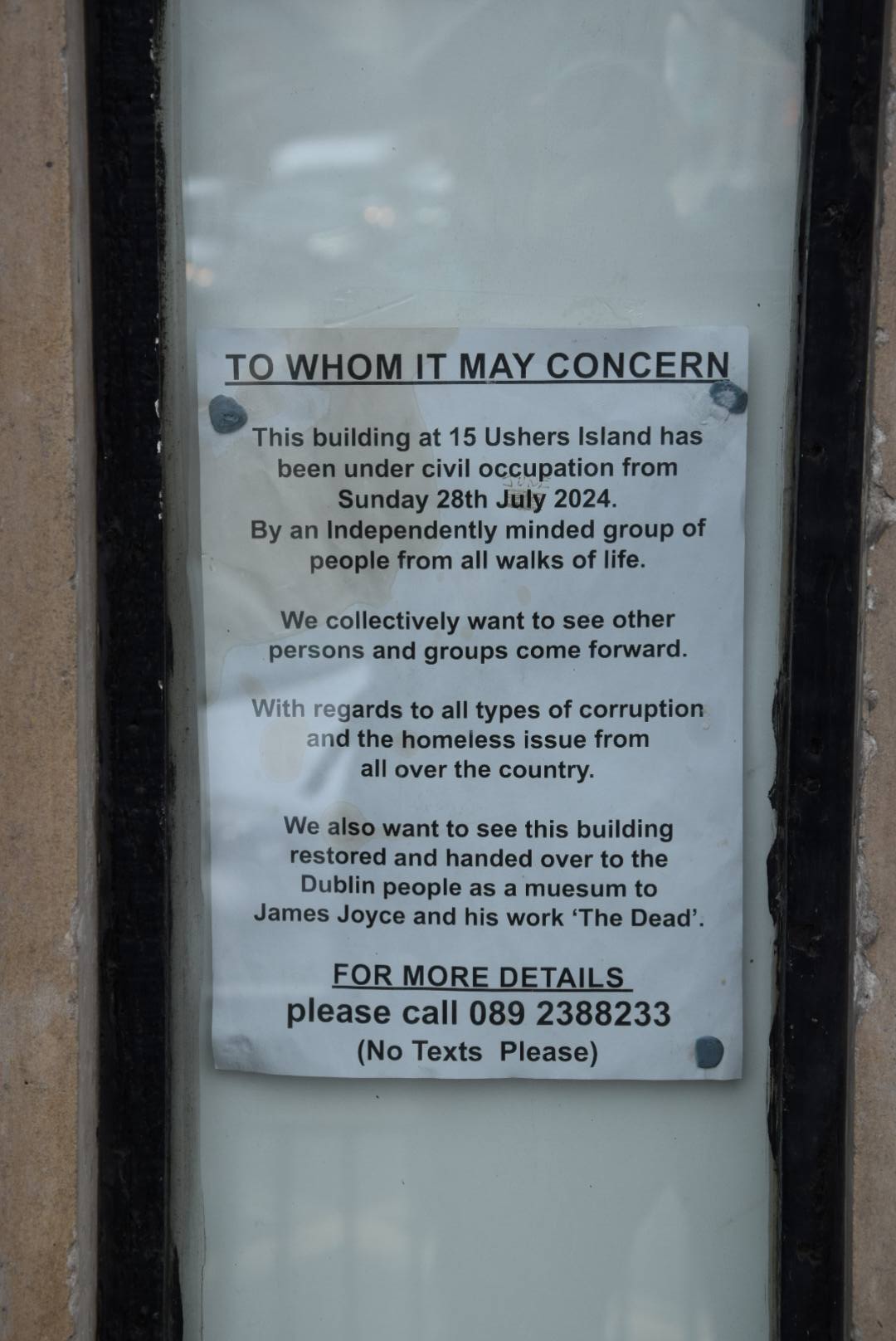
    This story made the house a well-known literary location, though in later years it was often empty or used by squatters.

    In 1987, director John Huston used the house’s exterior in his film version of The Dead.

    A scene from John Huston's film 'The Dead'
    A scene from John Huston’s film The Dead

    A brief revival of Joyce’s world…

    Around 2000, Brendan Kilty, a barrister and passionate Joycean, purchased 15 Usher’s Island and lovingly restored the house as a tribute to James Joyce’s The Dead. His vision was to revive the spirit of the story’s famous dinner scene, hosting gatherings and events that celebrated Dublin’s literary heritage. For a time, the house stood as a living museum of Joyce’s world – filled with music, conversation, and echoes of the past. However, financial difficulties eventually forced Kilty into bankruptcy in 2012, and the house was sold by receivers in 2017.

    The drawing-room was filled with so many guests that the young men, unable to find chairs, had to stand about in groups near the piano. The middle of the room was occupied by a large square piano and a tall mirror above the mantelpiece reflected the gas flames, making the room bright and warm.

    …then left waiting for its future

    For many people in Dublin, the house still feels like a part of Joyce’s world. When there were plans to turn it into a tourist hostel, writer Colm Tóibín and others objected, saying it was too important culturally. Unfortunately, their appeal didn’t succeed.

    Whatever the future holds for 15 Usher’s Island, The Dead has left its mark here. The house now faces a bridge named after Joyce, linking Usher’s Island with Blackhall Place on the north side of the river. The bridge opened on Bloomsday in 2003.

    All photographs by the author.

    For a further exploration of this theme in Joyce’s work, see A Song from the Past: Joyce, Music, and Memory

    If you find my work valuable, you can support it here:
    Buy Me A Coffee

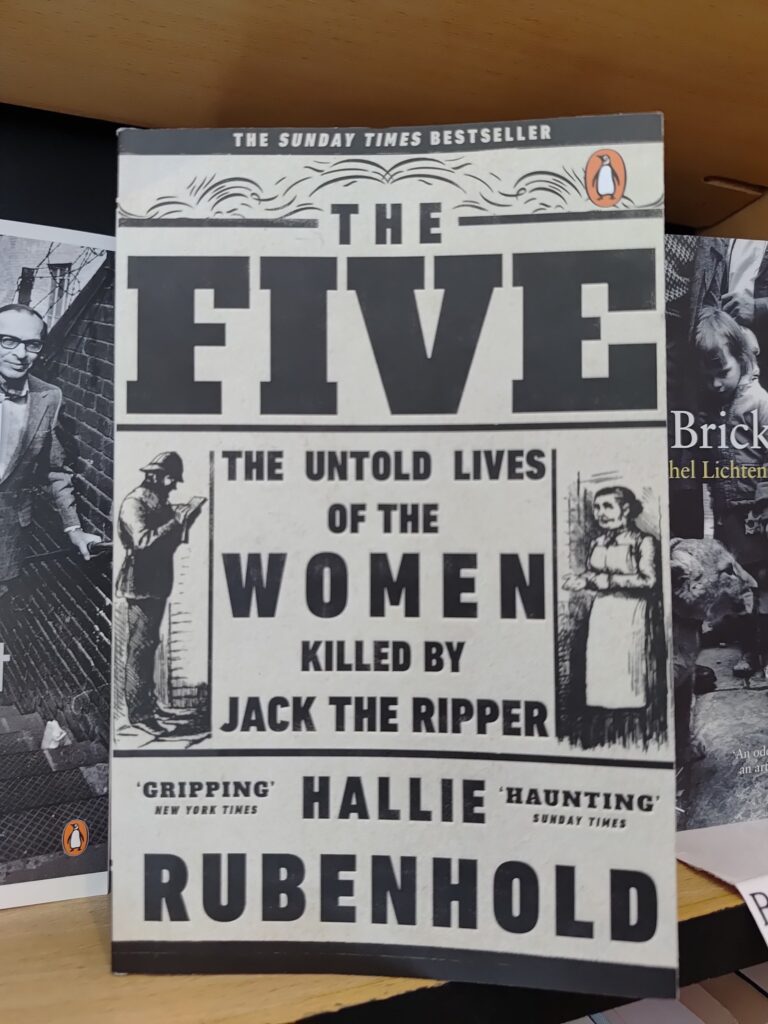
  • The Five – The True Stories of Jack the Ripper’s Victims

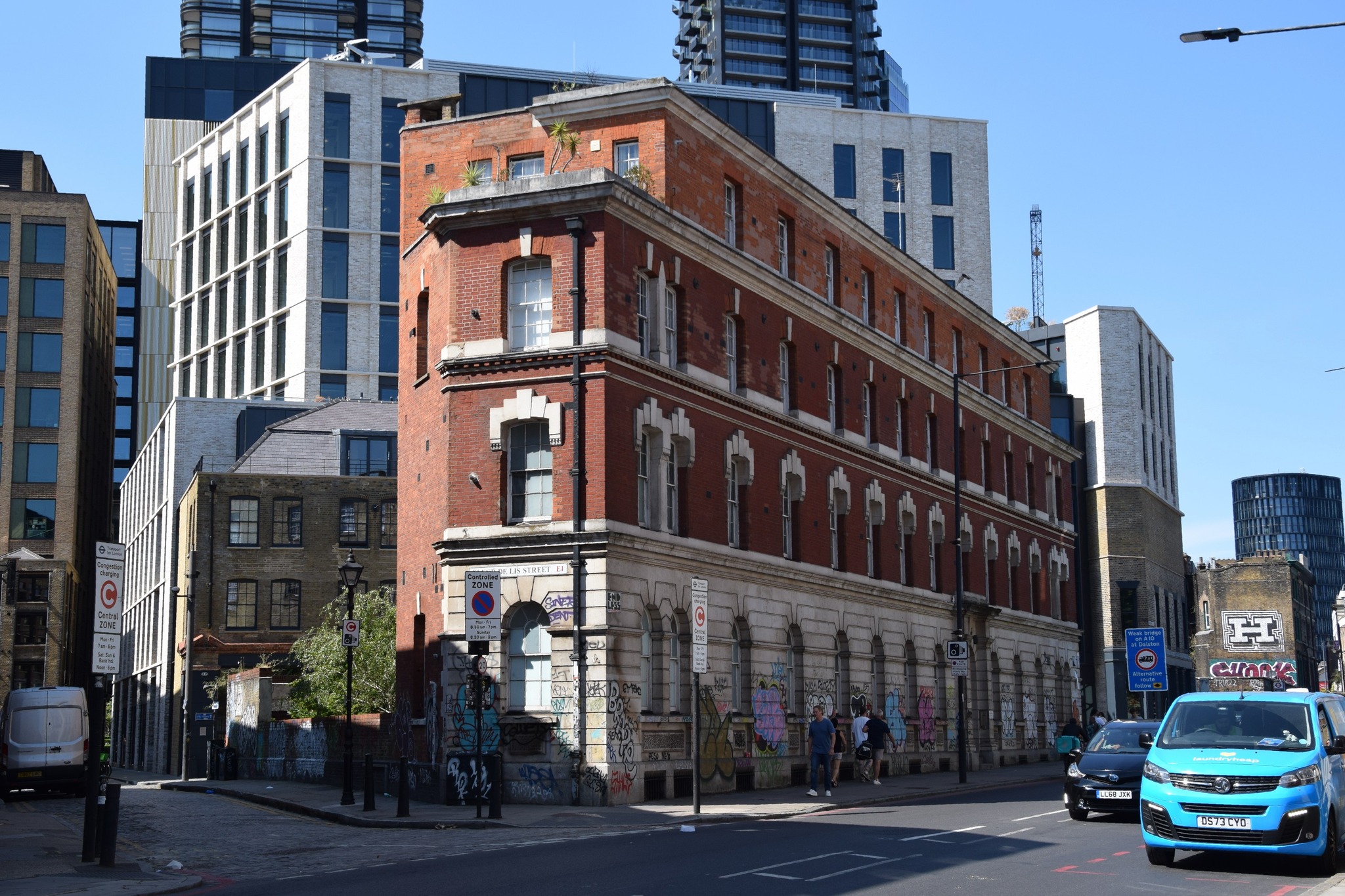
    Inspired by a winter read, I decided to spend the summer walking through the streets of London’s East End, which in the late 19th century became the stage for one of the darkest stories of modern times.

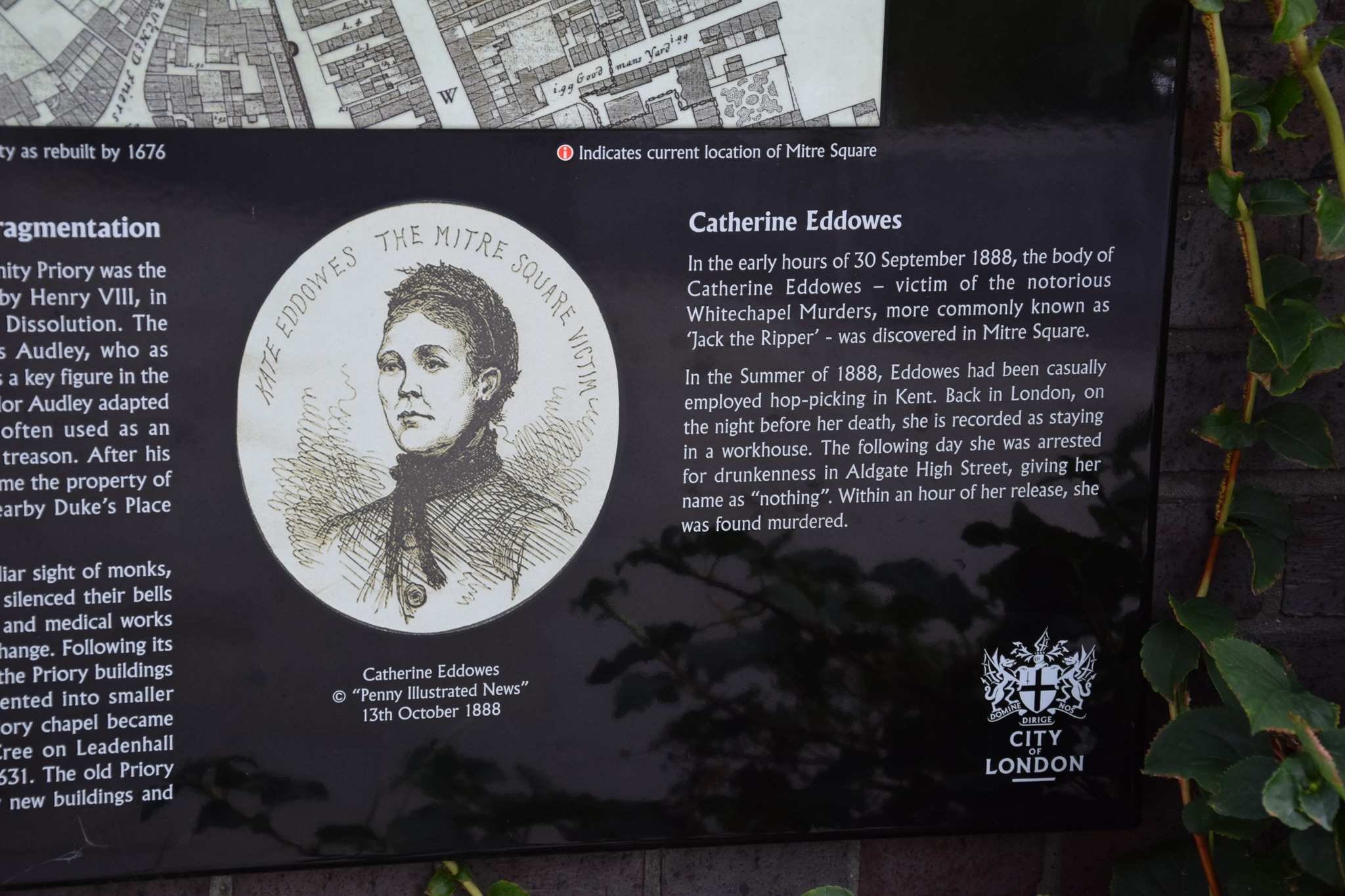
    In the summer and autumn of 1888, five women lost their lives in the alleys of Whitechapel: Mary Ann ‘Polly’ Nichols, Annie Chapman, Elizabeth Stride, Catherine Eddowes and Mary Jane Kelly. They all struggled with poverty, homelessness and the lack of support in a world that left no room for weakness. Their deaths were violent and cruel, but the memory of them was quickly overshadowed by the story of the man who killed them.

    The Victorian press had no doubts: their fates were explained by what was seen as an ‘immoral lifestyle’. Selling sex on the streets became an easy label that required neither nuance nor empathy. In truth, only two of the women may have turned to sex work at times. The others were simply trying to survive in a world where hunger and homelessness were far greater threats than any personal weakness. The false image created by newspapers meant that, for decades, the women’s identities were reduced to a stereotype, their lives hidden beneath the myth of their killer.

    Hallie Rubenhold challenges this myth in her book The Five: The Untold Lives of the Women Killed by Jack the Ripper. Instead of chasing the murderer, as countless writers have done for over a century, she focuses on the victims themselves – their childhoods, relationships, struggles and daily fight to stay alive in poverty. Rubenhold brings them out of the shadows, restoring the dignity denied to them by their contemporaries and by history. It is both an act of remembrance and a gesture of justice – giving back voices to women who were, for so long, treated only as the backdrop to the legend of a ‘dark genius of evil’.

    It was the sensational newspapers of the 19th century – the so-called ‘penny press’ – that built the legend of Jack the Ripper. Their pages were filled with loud headlines, supposed letters from the killer, rumours and gossip. Fear and curiosity sold far better than the quiet truth about the lives of poor women in the East End. As a result, it was he, not his victims, who became the focus of public imagination.

    Mitre square

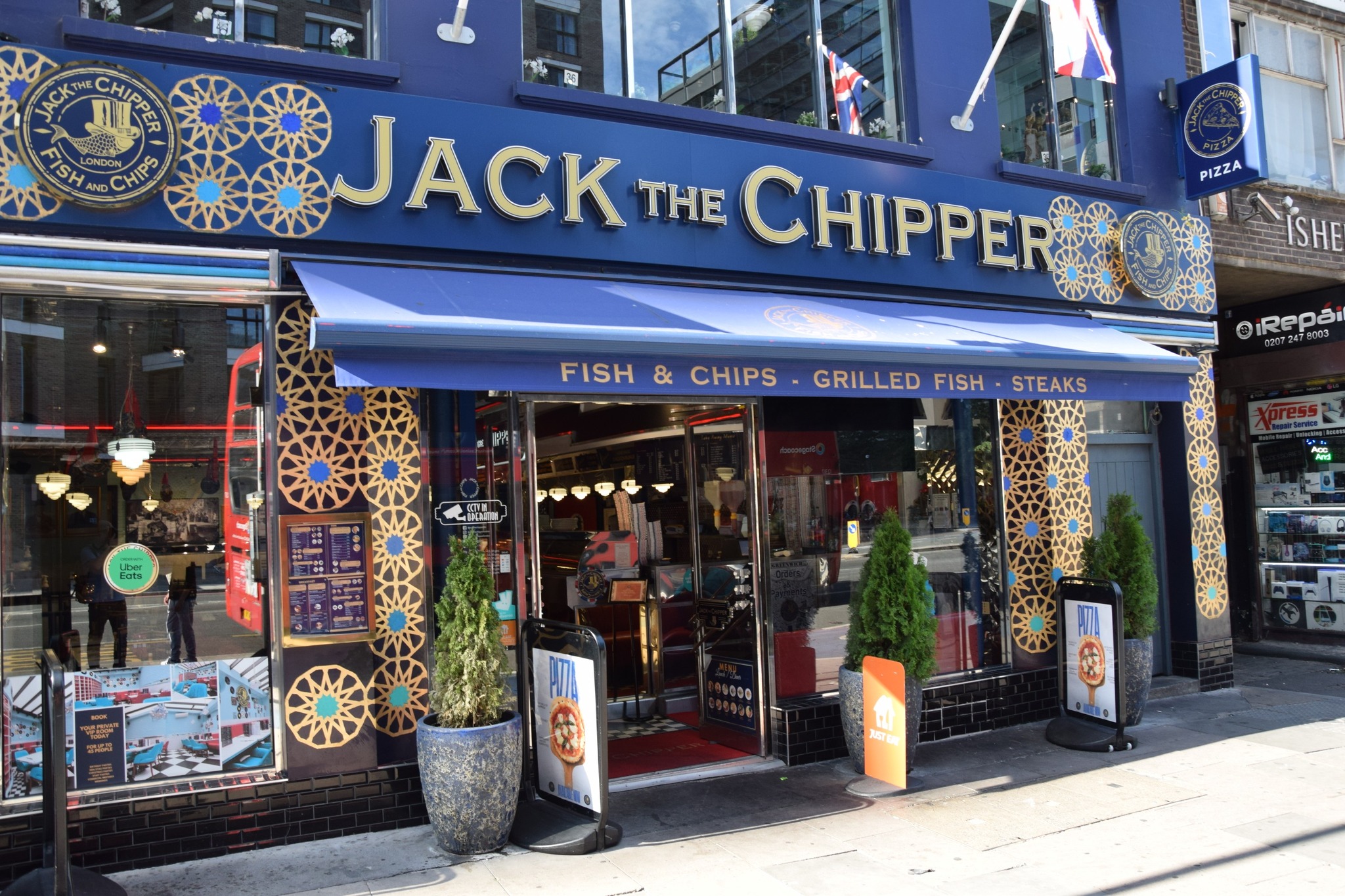
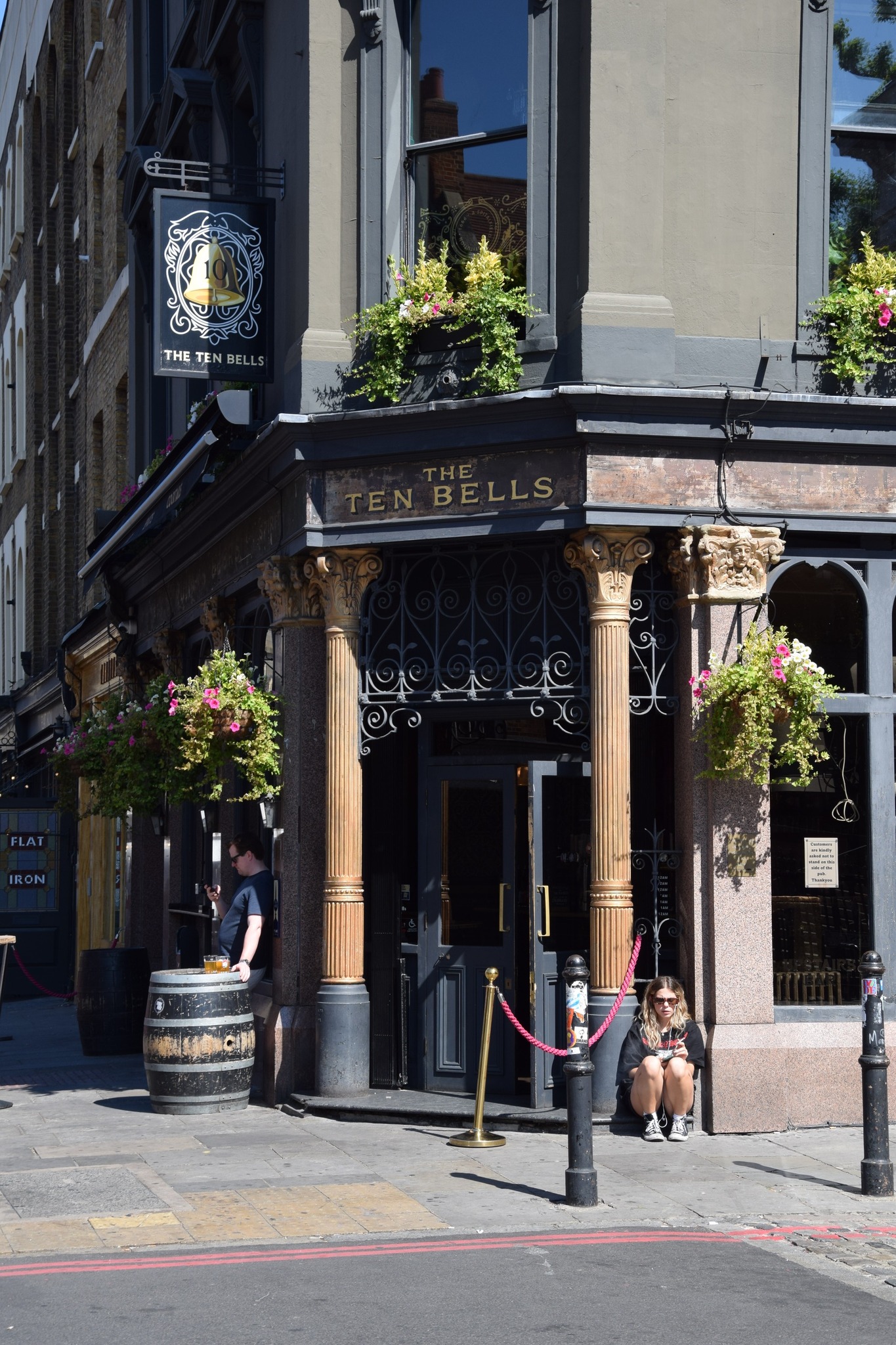
    Over the years, the Ripper moved beyond criminal history and entered popular culture. His shadow hangs not only over books and films but also, sometimes in grotesque ways, over everyday life. London pubs and restaurants have used his name – for example, the fish-and-chip shop Jack the Chipper, the historic pub The Ten Bells (once renamed Jack the Ripper), or the cocktail bar Ripper & Co in Portsmouth. Tourist marketing and morbid curiosity blend with a dark legacy, transforming tragedy into a decorative spectacle. A story that should serve as a warning has become an ornament.

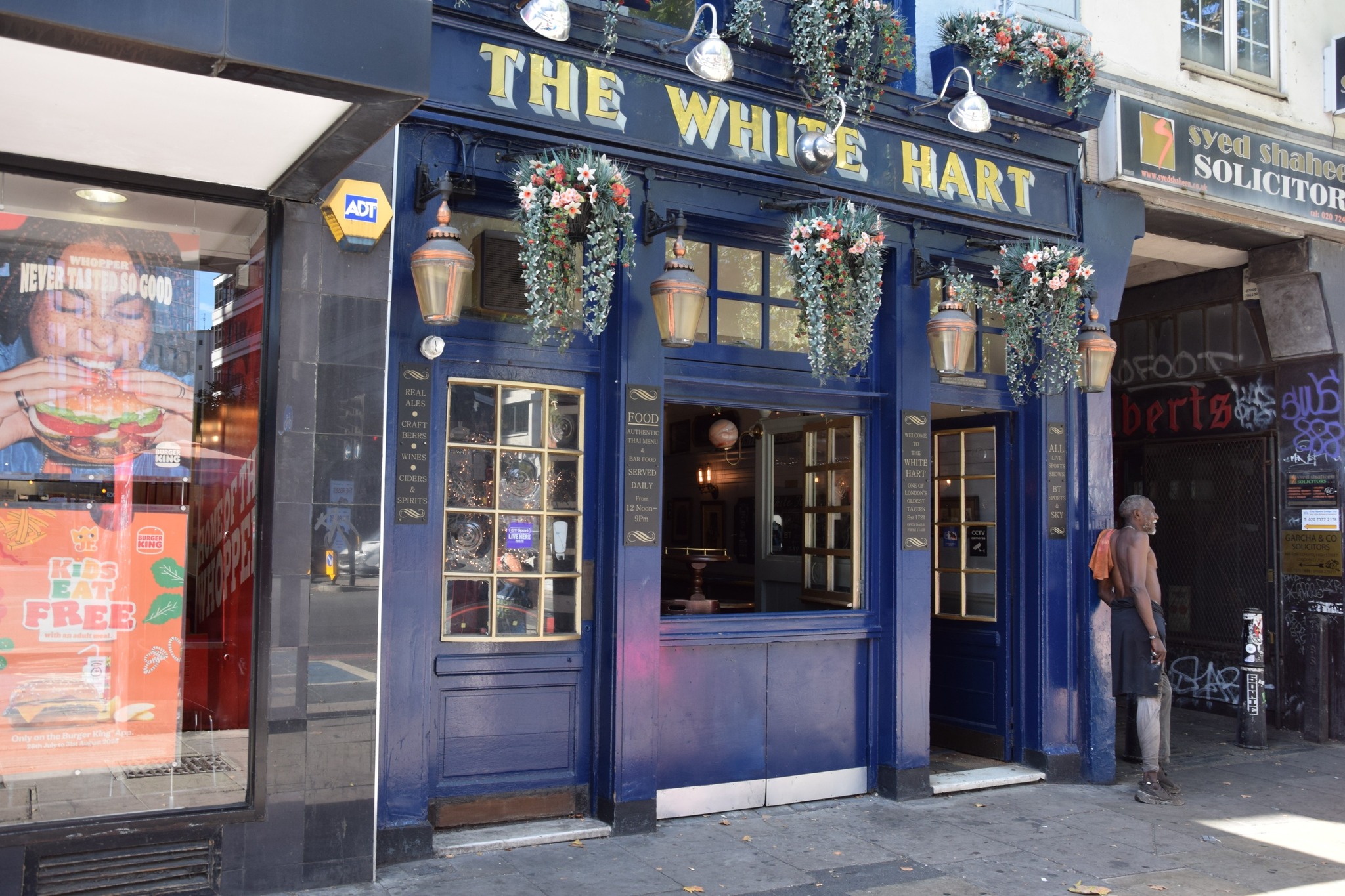
    Whitechapel High Street

    From time to time, attempts are made to solve the mystery. Modern DNA analysis has suggested that the killer may have been Aaron Kosminski, a Polish Jew and barber from the East End, already suspected during the original investigation. Yet the lack of clear proof and doubts about the methods used mean that his name remains only a theory. Perhaps it is exactly this uncertainty that keeps the legend alive. Today, the Ripper is more of a symbol than a real person of flesh and blood – and his name, turned into a pop culture icon, has sadly drawn attention away from the women whose lives ended in the dark streets of Whitechapel.

    All photographs by the author.

    If you find my work valuable, you can support it here:
    Buy Me A Coffee