Author: Jacek

  • The Five – The True Stories of Jack the Ripper’s Victims

    Inspired by a winter read, I decided to spend the summer walking through the streets of London’s East End, which in the late 19th century became the stage for one of the darkest stories of modern times.

    Who were ‘The Five’? The real women behind the Jack the Ripper murders

    In the summer and autumn of 1888, five women lost their lives in the alleys of Whitechapel: Mary Ann ‘Polly’ Nichols, Annie Chapman, Elizabeth Stride, Catherine Eddowes and Mary Jane Kelly. They all struggled with poverty, homelessness and the lack of support in a world that left no room for weakness. Their deaths were violent and cruel, but the memory of them was quickly overshadowed by the story of the man who killed them.

    The Victorian press had no doubts: their fates were explained by what was seen as an ‘immoral lifestyle’. Selling sex on the streets became an easy label that required neither nuance nor empathy. In truth, only two of the women may have turned to sex work at times. The others were simply trying to survive in a world where hunger and homelessness were far greater threats than any personal weakness. The false image created by newspapers meant that, for decades, the women’s identities were reduced to a stereotype, their lives hidden beneath the myth of their killer.

    Hallie Rubenhold’s The Five: shifting the focus from killer to victims

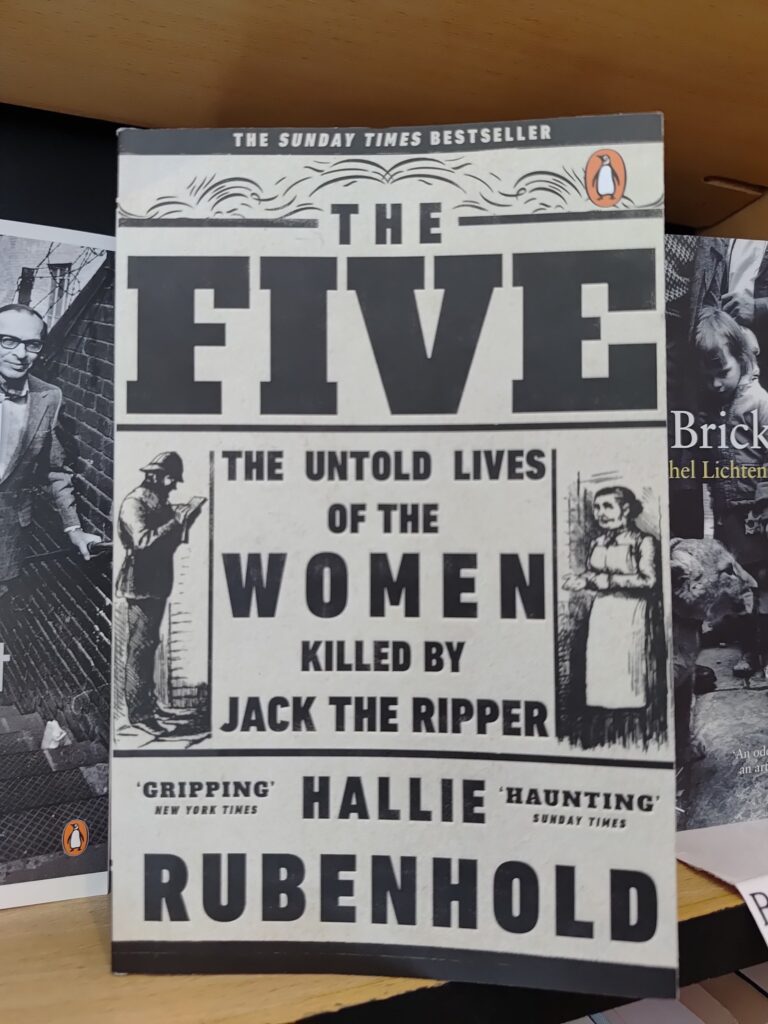
    Cover of 'The Five' by Hallie Rubenhold, telling the true story of the Jack the Ripper victims

    Hallie Rubenhold challenges this myth in her book The Five: The Untold Lives of the Women Killed by Jack the Ripper. Instead of chasing the murderer, as countless writers have done for over a century, she focuses on the victims themselves – their childhoods, relationships, struggles and daily fight to stay alive in poverty. Rubenhold brings them out of the shadows, restoring the dignity denied to them by their contemporaries and by history. It is both an act of remembrance and a gesture of justice – giving back voices to women who were, for so long, treated only as the backdrop to the legend of a ‘dark genius of evil’.

    It was the sensational newspapers of the 19th century – the so-called ‘penny press’ – that built the legend of Jack the Ripper. Their pages were filled with loud headlines, supposed letters from the killer, rumours and gossip. Fear and curiosity sold far better than the quiet truth about the lives of poor women in the East End. As a result, it was he, not his victims, who became the focus of public imagination.

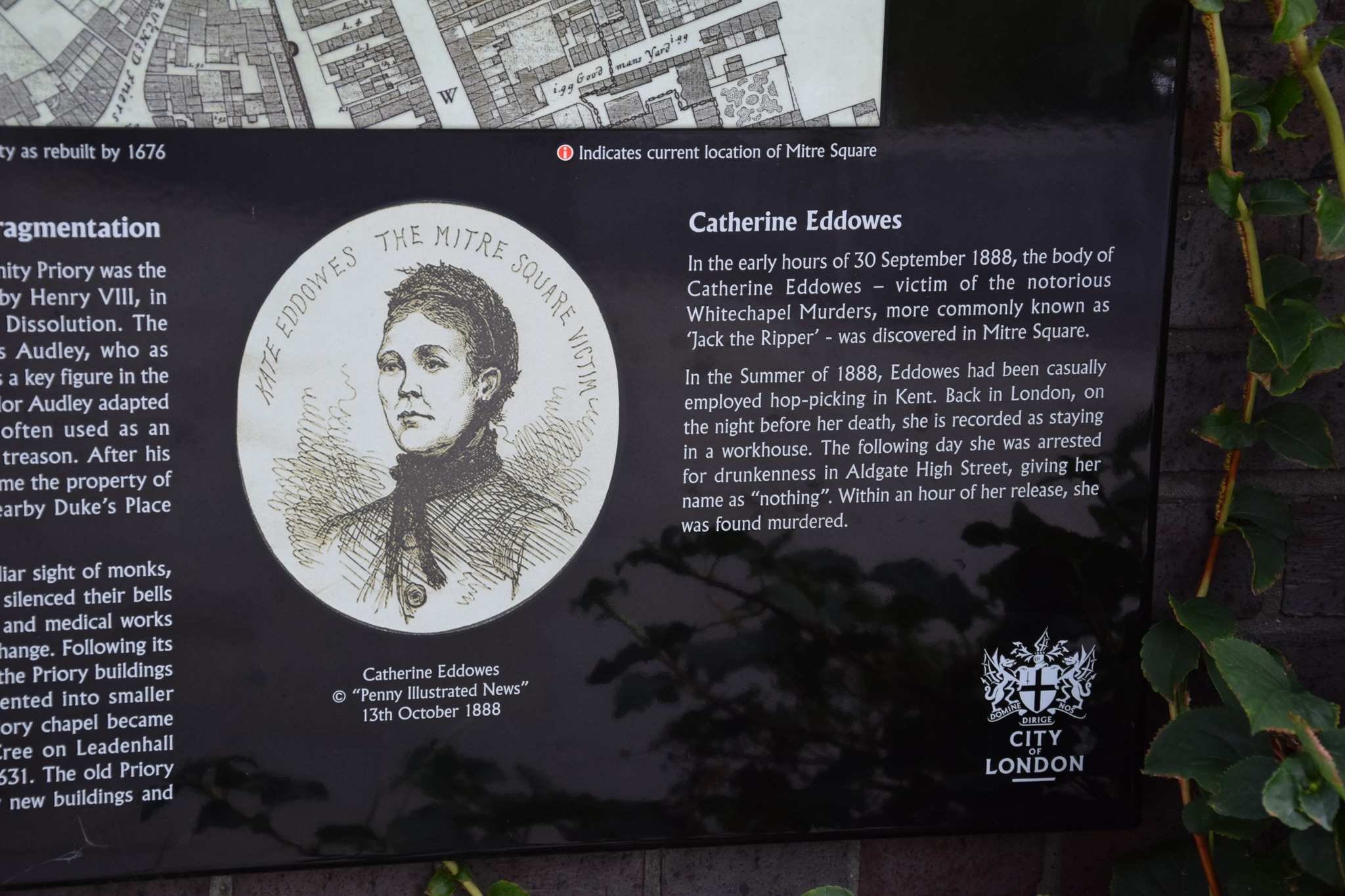
    Mitre Square memorial plaque marking a Whitechapel murder site
    Mitre Square – site of Catherine Eddowes’ murder, 30 September 1888.

    Jack the Ripper in popular culture: from true crime to tourism

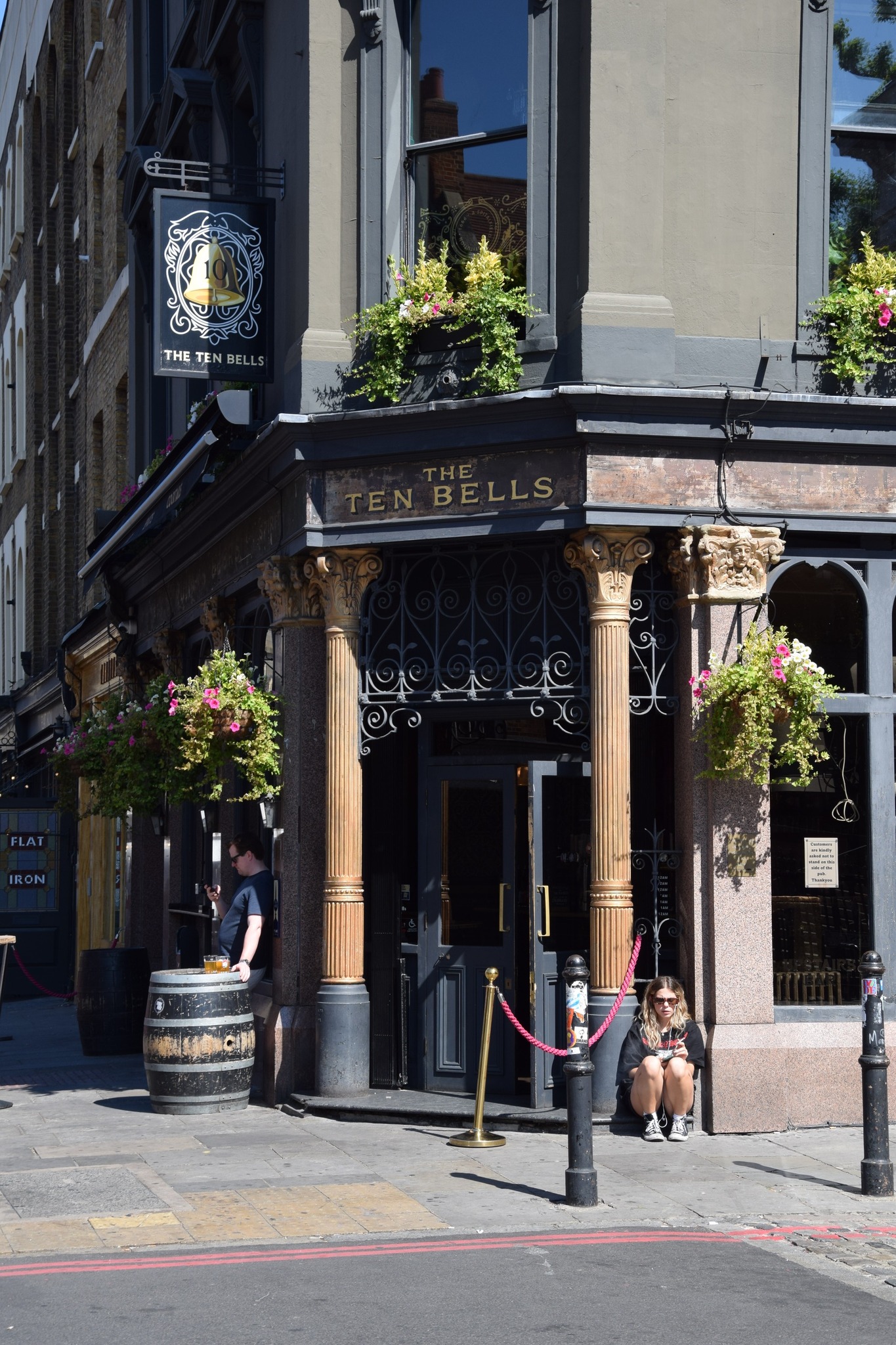
    Over the years, the Ripper moved beyond criminal history and entered popular culture. His shadow hangs not only over books and films but also, sometimes in grotesque ways, over everyday life. London pubs and restaurants have used his name – for example, the fish-and-chip shop Jack the Chipper, the historic pub The Ten Bells (once renamed Jack the Ripper), or the cocktail bar Ripper & Co in Portsmouth. Tourist marketing and morbid curiosity blend with a dark legacy, transforming tragedy into a decorative spectacle. A story that should serve as a warning has become an ornament.

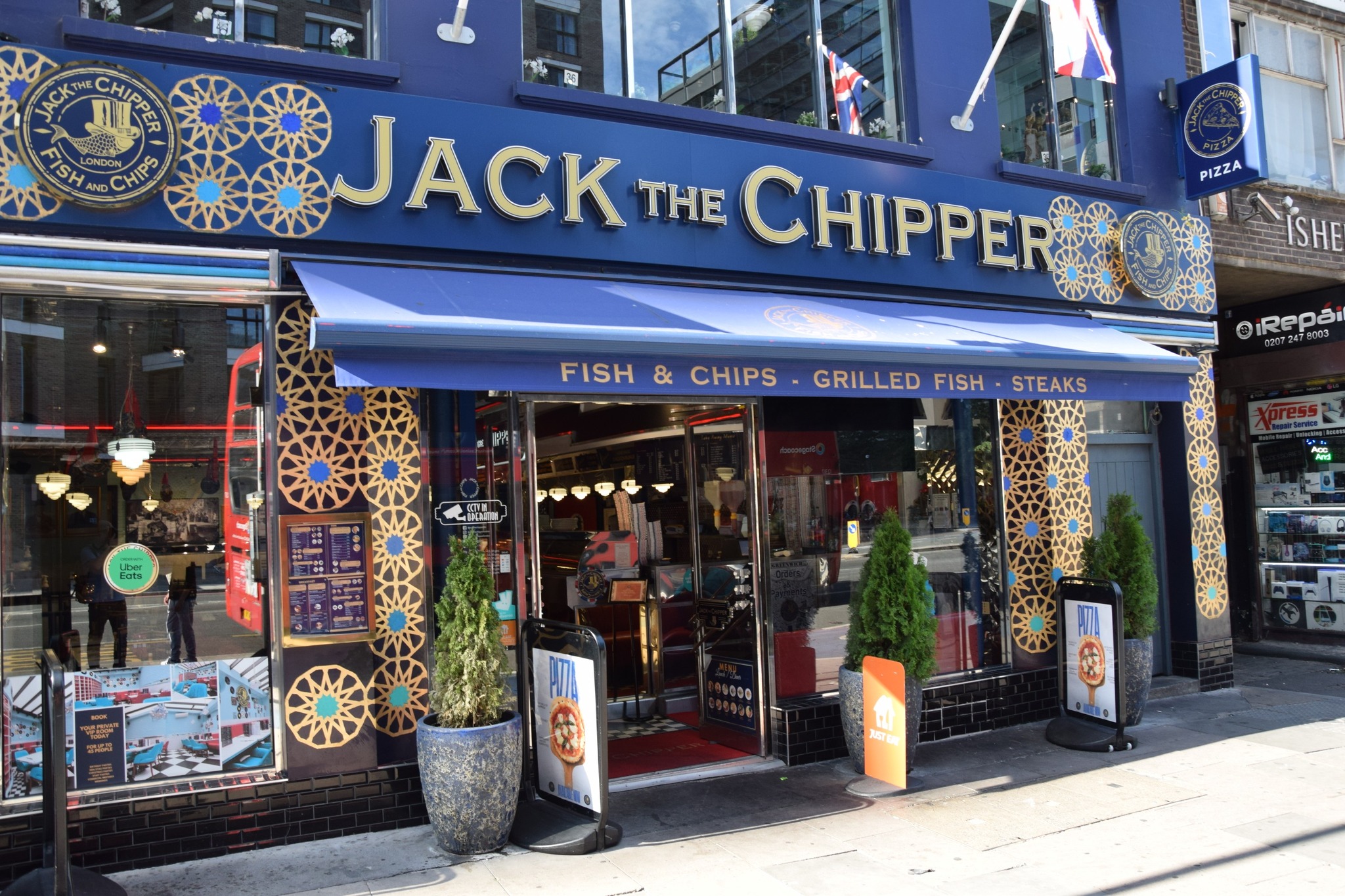
    Exterior of Jack the Chipper in Whitechapel, themed around the Ripper legend
    Jack the Chipper in Whitechapel – a modern reminder of how the Ripper legend became part of London’s tourist landscape

    Is the Jack the Ripper mystery finally solved?

    From time to time, attempts are made to solve the mystery. Modern DNA analysis has suggested that the killer may have been Aaron Kosminski, a Polish Jew and barber from the East End, already suspected during the original investigation. Yet the lack of clear proof and doubts about the methods used mean that his name remains only a theory. Perhaps it is exactly this uncertainty that keeps the legend alive. Today, the Ripper is more of a symbol than a real person of flesh and blood – and his name, turned into a pop culture icon, has sadly drawn attention away from the women whose lives ended in the dark streets of Whitechapel.

    All photographs by the author.

    If you find my work valuable, you can support it here:

    Buy Me A Coffee
  • Music is a Woman: Forgotten Female Composers and Their Place in History

    A few thoughts from the borderland of literature and music, marking today’s International Music Day

    Clara Schumann – a genius in the shadow of famous men

    When reading the novelised biography The Pianist: Clara Schumann and the Music of Love by Beate Rygiert, one cannot help but wonder: how many talents have been lost or forgotten simply because they belonged to women? Clara and her art are something of an exception, but even today, the name ‘Schumann’ is mainly associated with her husband, Robert. Clara herself, an outstanding pianist and gifted composer, is still too often remembered mostly as the wife of a famous composer, or as the unfulfilled love of Johannes Brahms.

    Women artists hidden behind male names

    Anyone who has studied even a little music history knows how few women’s names appear there. The reason is the same as why the Brontë sisters once published under the name ‘Bell’, or why Mary Ann Evans is remembered only under her male pseudonym George Eliot. George Sand, standing between literature and music, is another striking case: she became known for her bold themes and independent way of life, going beyond the customs of her time. But again – not without trousers, a cigar, and a man’s name.

    Virginia Woolf and the silenced female genius

    Virginia Woolf wrote powerfully about the situation of women and their place in art in her 1929 essay A Room of One’s Own. It is striking how many of the problems she described are still relevant today. Thinking about what English (and world) literature might have been like if Shakespeare had been born a woman, she concluded:

    Yet something like genius must have existed in women […]. That genius was certainly not fully transferred to paper. When we read of the drowning of a witch, of a woman possessed by devils, of a wise witch selling herbs, or of a mother of some extraordinary man, then, I think, we are on the trail of a silenced novelist or poetess, some mute Jane Austen of whom no one ever heard, or some Emily Brontë who smashed in her skull somewhere on a moor or wandered dazed and wretched along roads, driven mad by the genius to which she was condemned.

    Virginia Woolf, A Room of One’s Own

    Mapping women composers – Sakira Ventura’s project

    I believe these words apply just as well to music. The Spanish musicologist Sakira Ventura has tried to help fill this historical gap. She has pushed aside old prejudices, social rules, and taboos that, for centuries, kept women in the shadows, and she has created an interactive online map featuring hundreds of women composers, past and present. Each entry includes a short biography and links for further reading.

    They don’t appear in musical history books, their works aren’t played at concerts and their music isn’t recorded, she told The Guardian. I had always talked about putting these composers on the map – so it occurred to me to do it literally.

    Music is a woman!

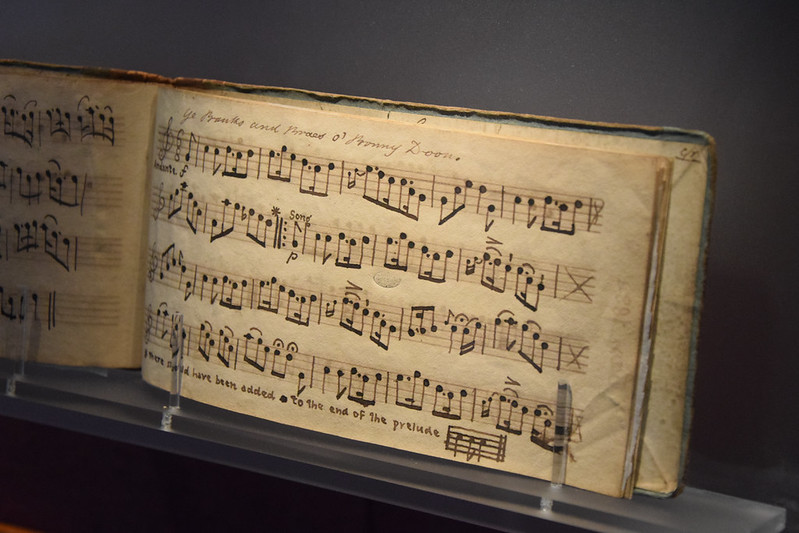
    Handwritten music notebook belonging to the Brontë sisters
    Handwritten music notebook belonging to the Brontë sisters

    All photographs by the author.

    If you find my work valuable, you can support it here:
    Buy Me A Coffee

  • Remembering The Aran Islands

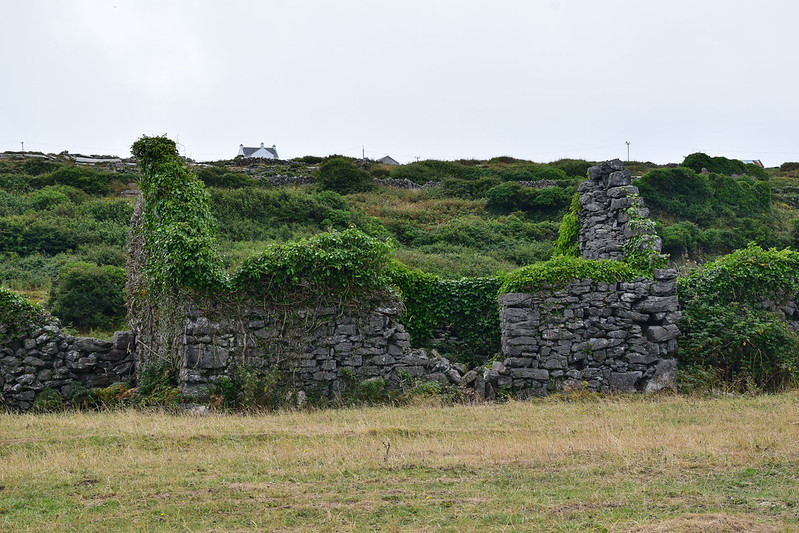
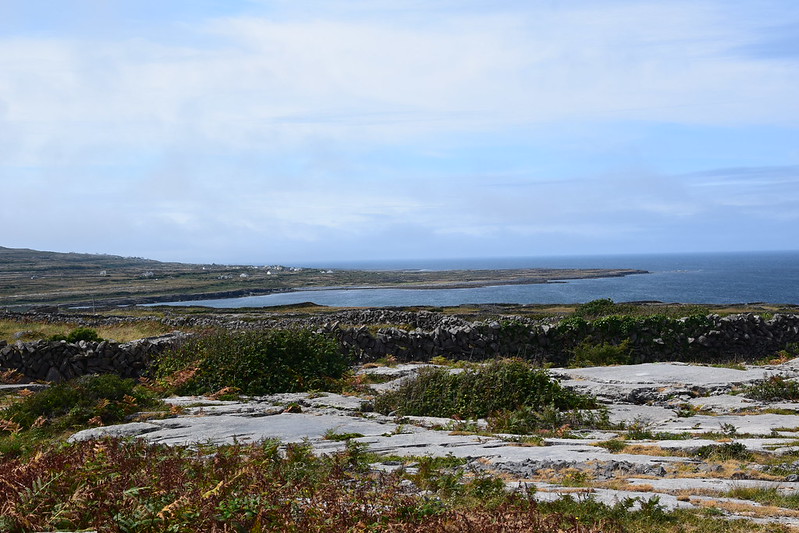
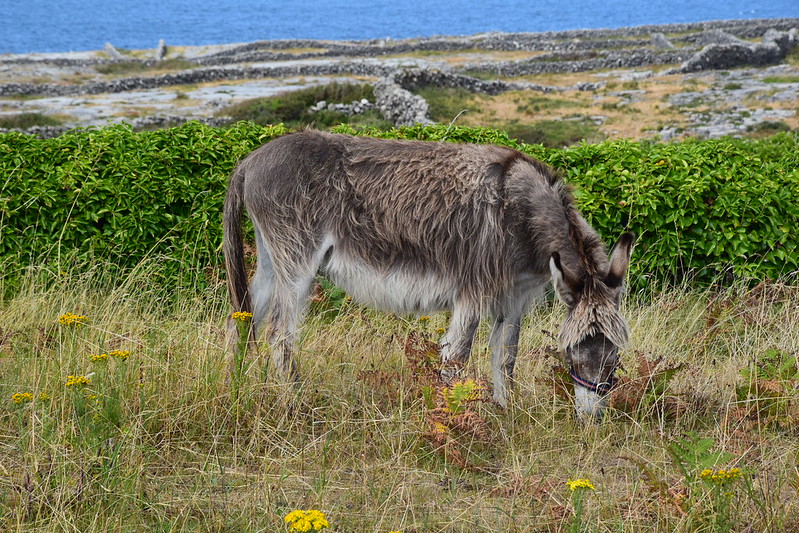
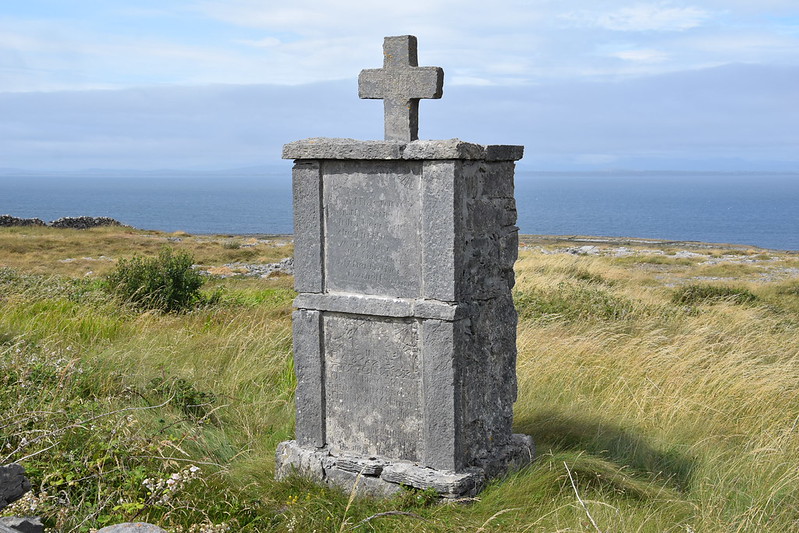
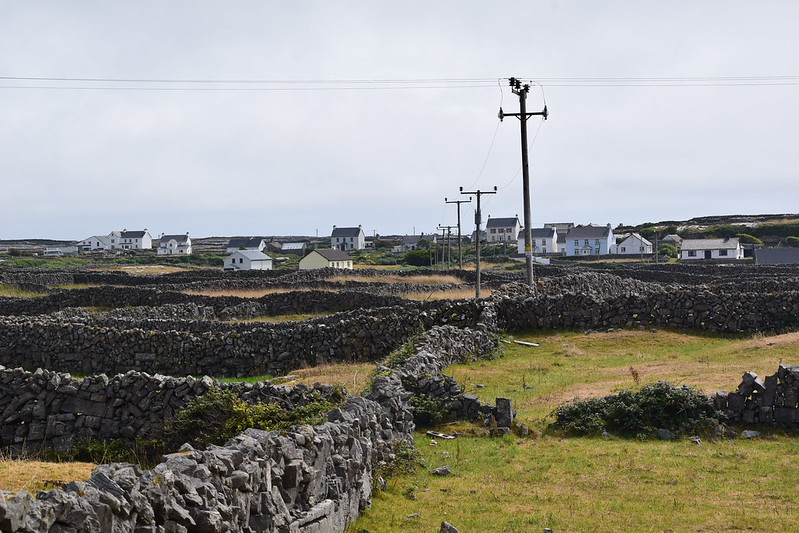
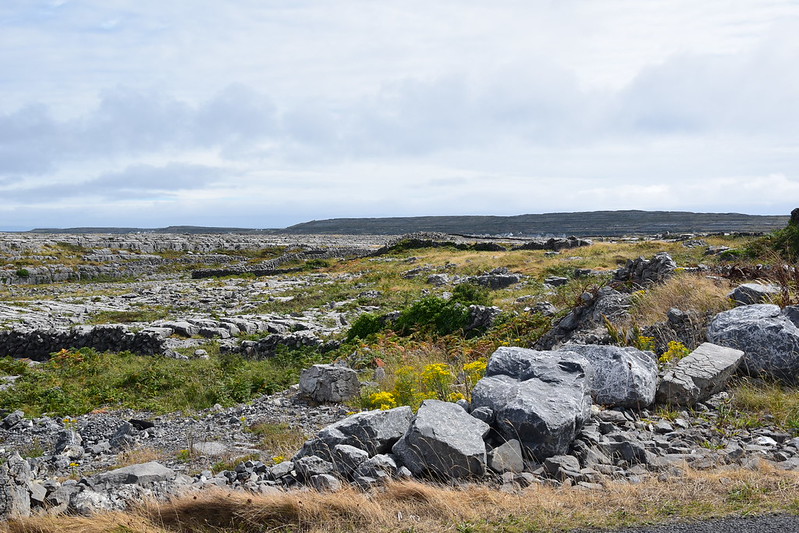
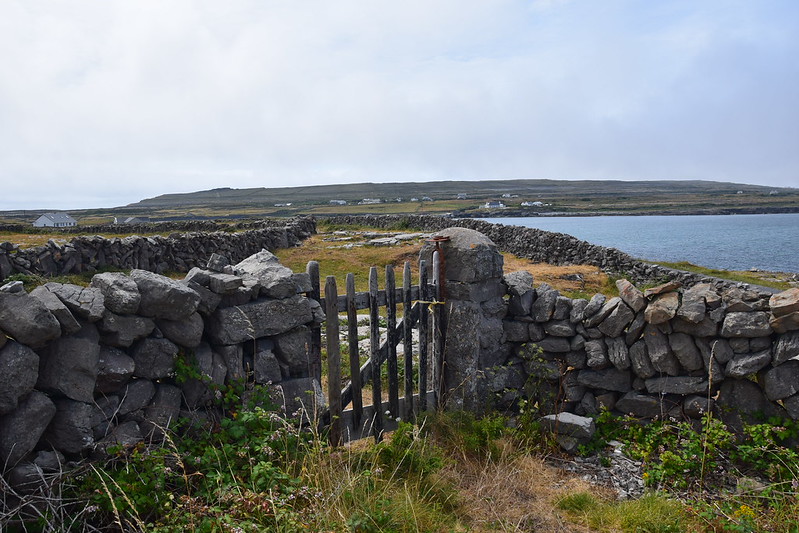
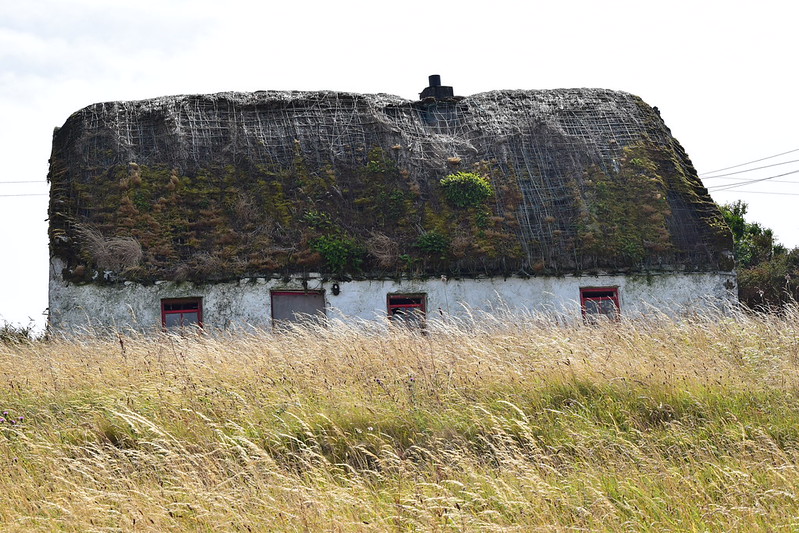
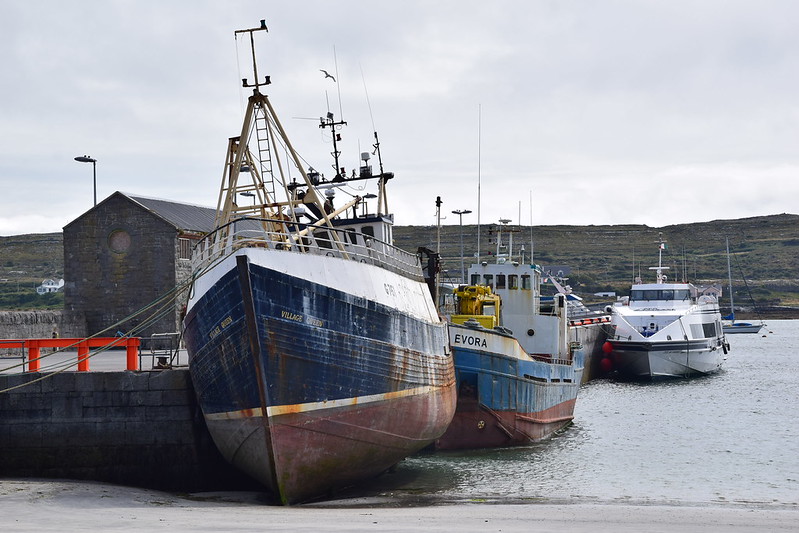
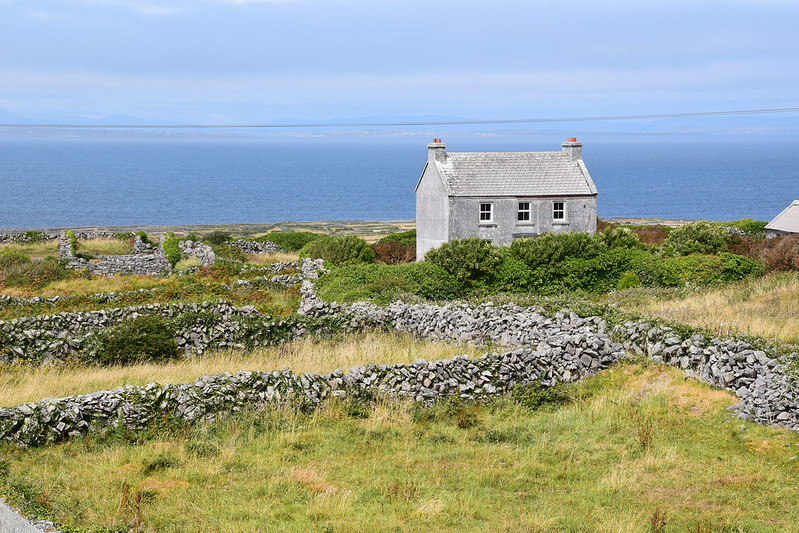
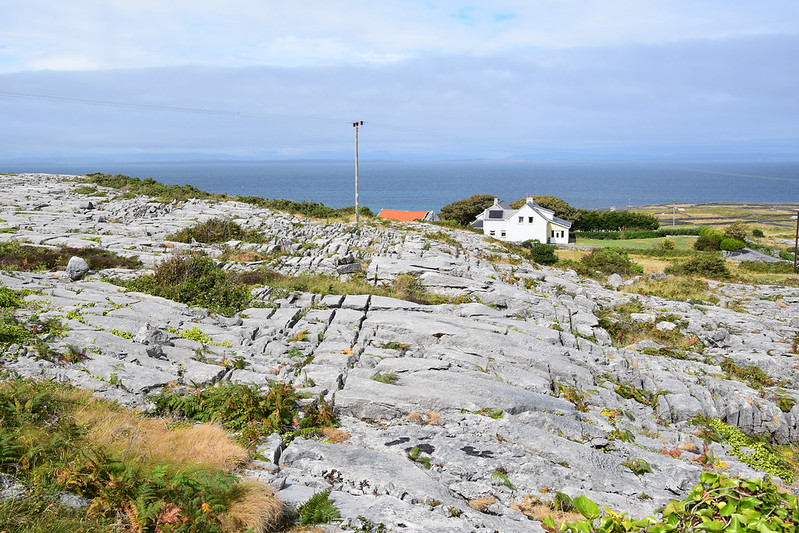
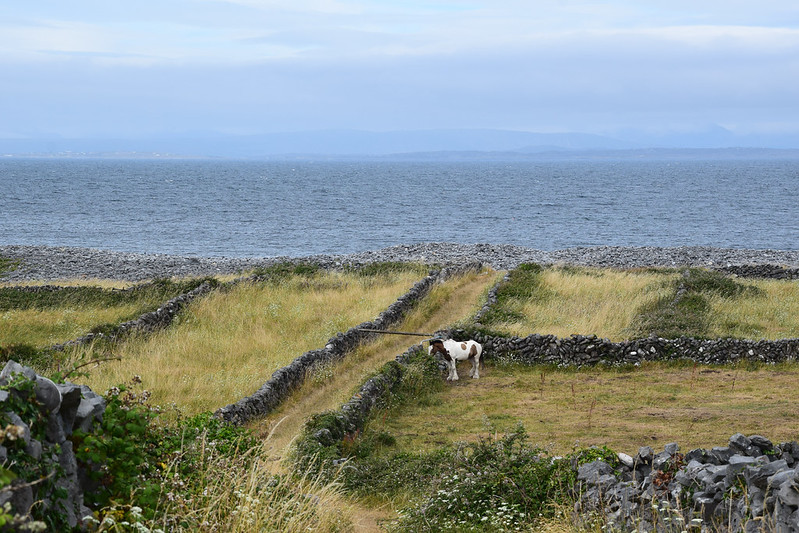
    While reading So it goes. Travels in the Aran Isles, Xian and places between by Nicolas Bouvier, I recall my visit to Inis Mór, the largest of the Aran Islands on the West coast of Ireland.

    And while life on the island may seem blissful and idyllic in the innocent July weather, the truth that spoke to me most eloquently was the one I saw hauntingly enshrined in this tree.

    Bouvier expresses this in the following words:

    A wind which had picked up from Newfoundland would not let itself be fooled by a cliff, however imposing. For the wind it was less an obstacle than a riddle to which it had long known the answer. This is how it works: at the foot of the cliff it forms a cushion of air; from this springboard it rises up and starts again. When, having made the climb, it reaches the top and hurtles down the other slope in almighty gusts which flatten broom and thistles, it better not to stand in its way. A few meters from the fort, one of these gusts hit me, throwing me to the ground and tossing me into the stones and brambles like yesterday’s newspaper. I saw my heavy camera bag bounding ahead to the green meadows, scattering the rabbits, and found shelter in a corner of the fort, hands and nose bleeding from scratches.

    I asked Hernon what people did here at this time of year.

    “After the January storms, if the west wind sets in, they do nothing. The waves are too strong for coastal fishing. (…) The walls around the kitchen gardens get repaired but the wind’s too strong to spread seaweed on the meadows, it blows over the stone walls and then you have to start all over again. The men do odd jobs around the house, and drink; the women knit for the summer tourist trade. And not just any old knitting: each of the island villages, even if there are only four or five houses, has its pattern, like a brand. In the old days it was a way to identify the drowned who washed up on shore: crabs and fish don’t eat wool. Today it’s only the drunk who drown; they have their separate corner in the cemetery”.

    /Nicolas Bouvier, So it goes. Travels in the Aran Isles, Xian and places between/

    The same rugged beauty and harsh conditions that still define the Aran Islands are captured in the film Man of Aran (1934), directed by Robert J. Flaherty. Set mainly on Inis Mór, it shows how islanders struggled to survive in a rocky, wind-swept landscape, creating soil from sand and seaweed and fishing from fragile currach boats on the rough Atlantic. Although some scenes were staged, the film conveys the power of nature and the resilience needed to live in such a demanding environment.

    All photographs by the author.

    If you find my work valuable, you can support it here:
    Buy Me A Coffee
  • Welcome to My Blog

    Exciting content coming soon…

    Stay connected on my social media!

    If you find my work valuable, you can support it here:
    Buy Me A Coffee