Tag: Virginia Woolf

  • Virginia Woolf’s London – A Literary Guide to the City (Part 2)

    London is enchanting. I step out upon a tawny coloured magic carpet, it seems, and get carried into beauty without raising a finger.

    Virginia Woolf Diary, 26 May 1924

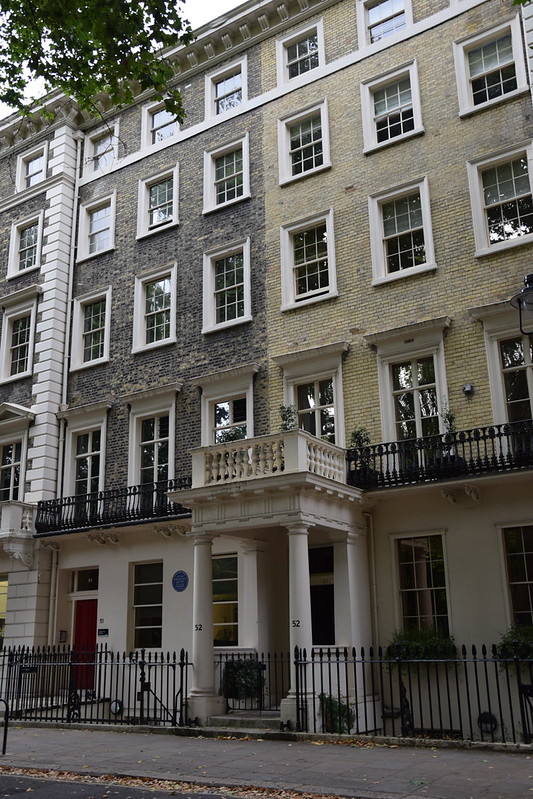
    Virginia Woolf’s Bloomsbury: 46 Gordon Square and 29 Fitzroy Square

    Walking through Bloomsbury today, it is easy to see calm squares, elegant terraces, and university buildings. At the beginning of the twentieth century, however, this part of London represented something far more radical. For Virginia Woolf, moving here meant leaving behind the strict world of her upbringing and beginning a new life shaped by work, independence, and conversation.
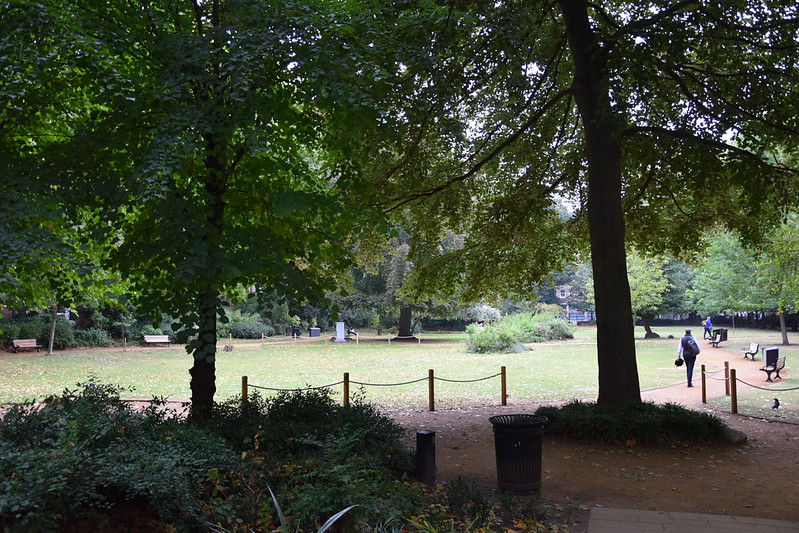
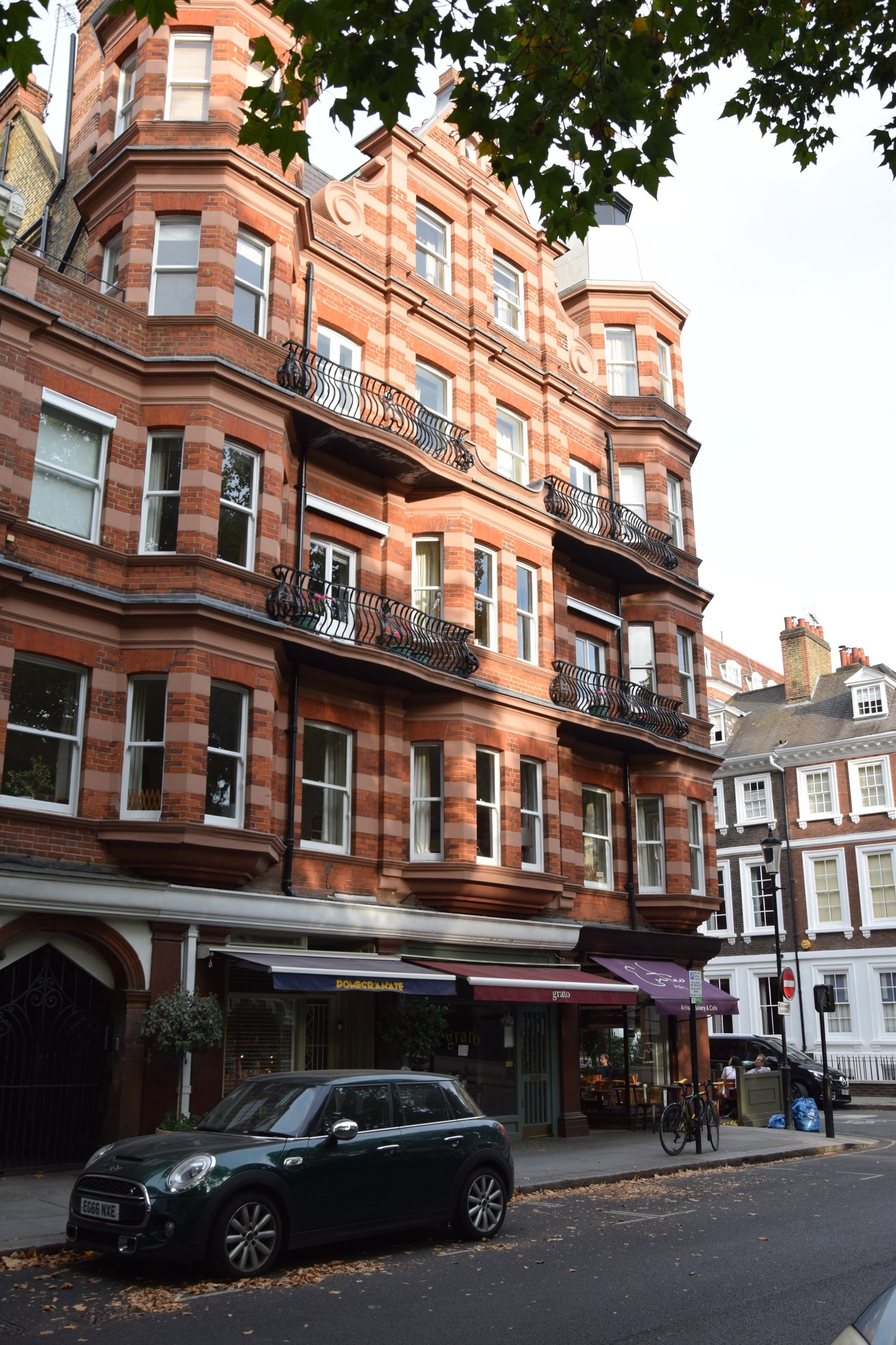
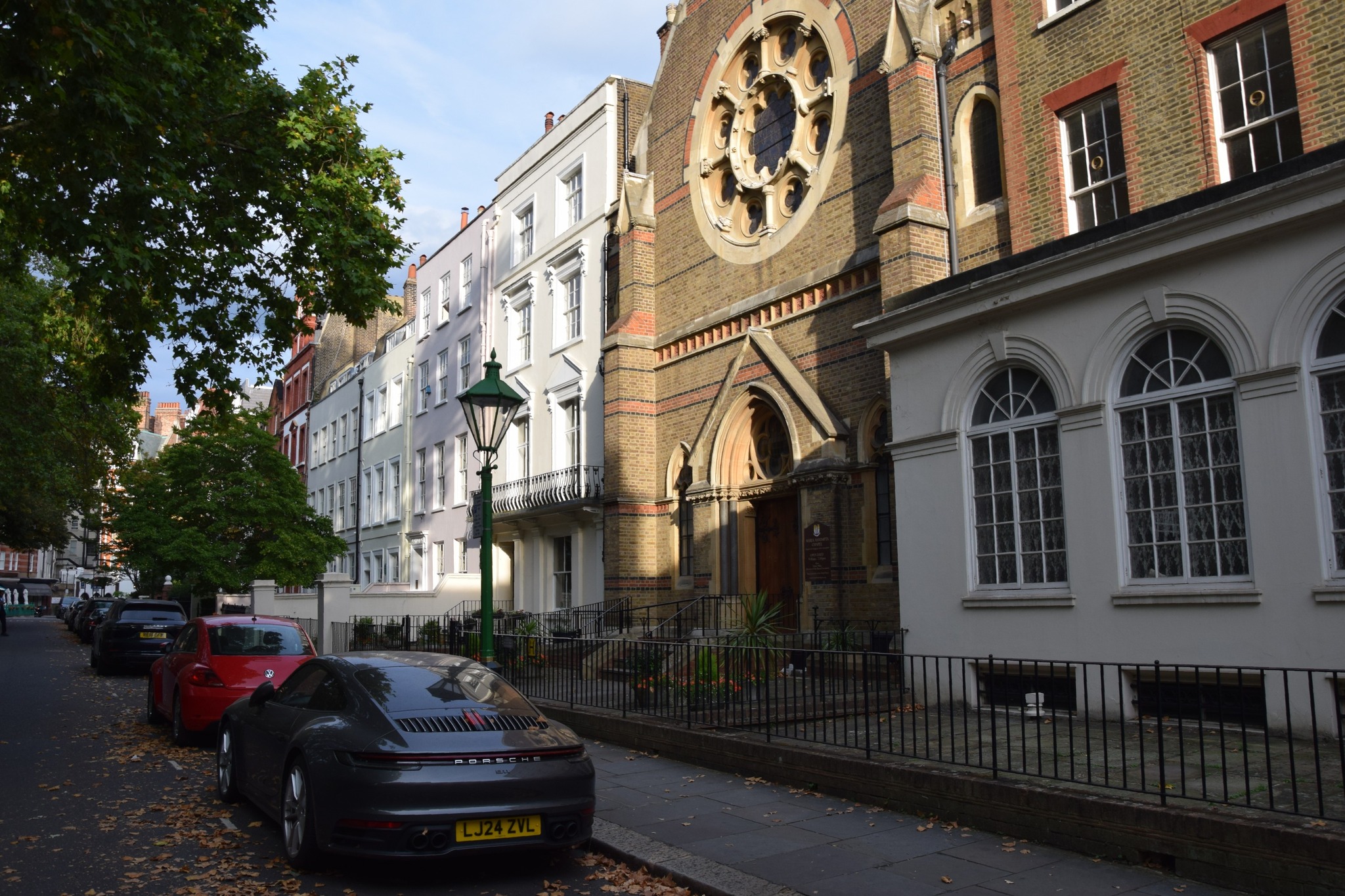
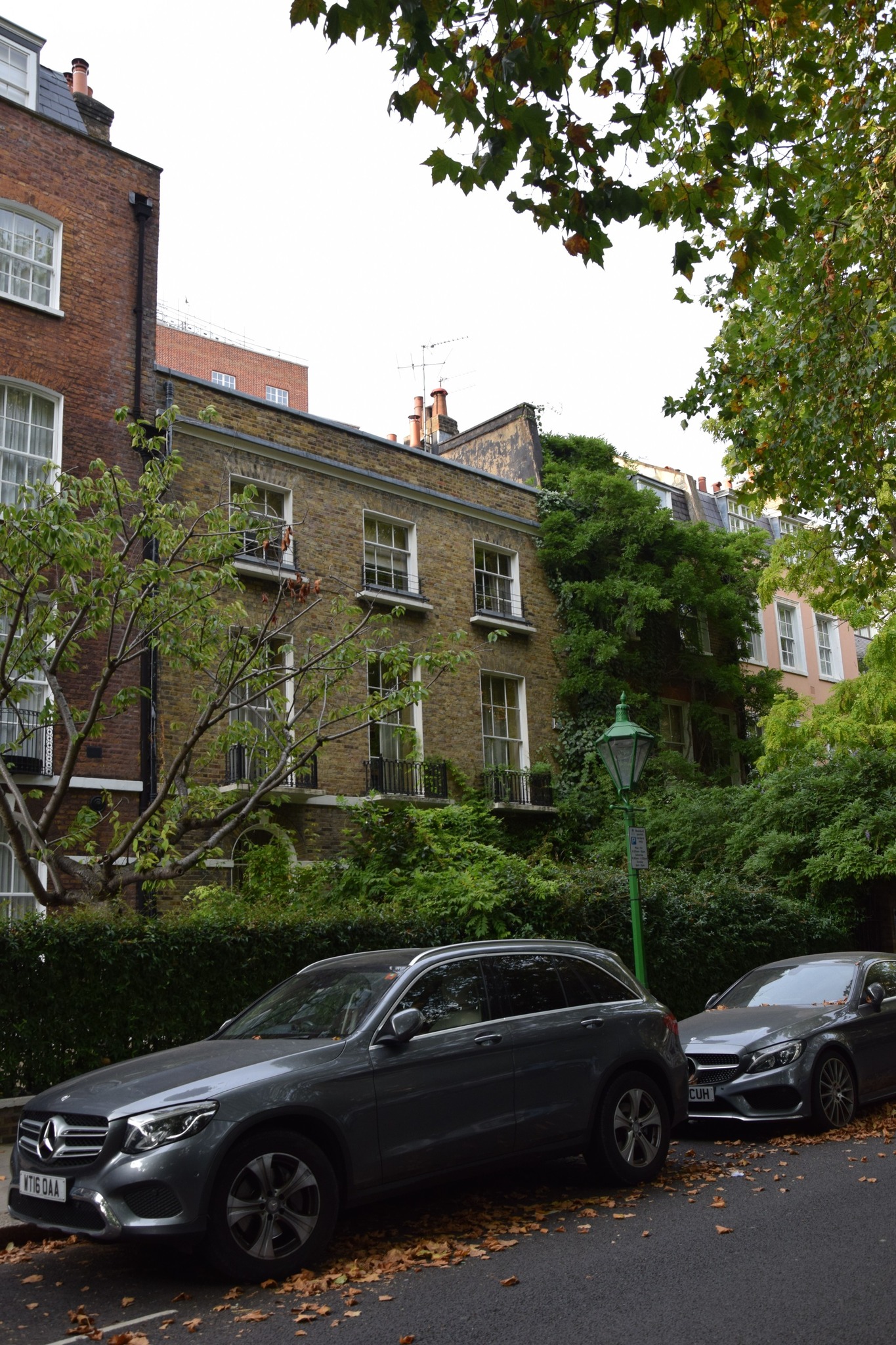
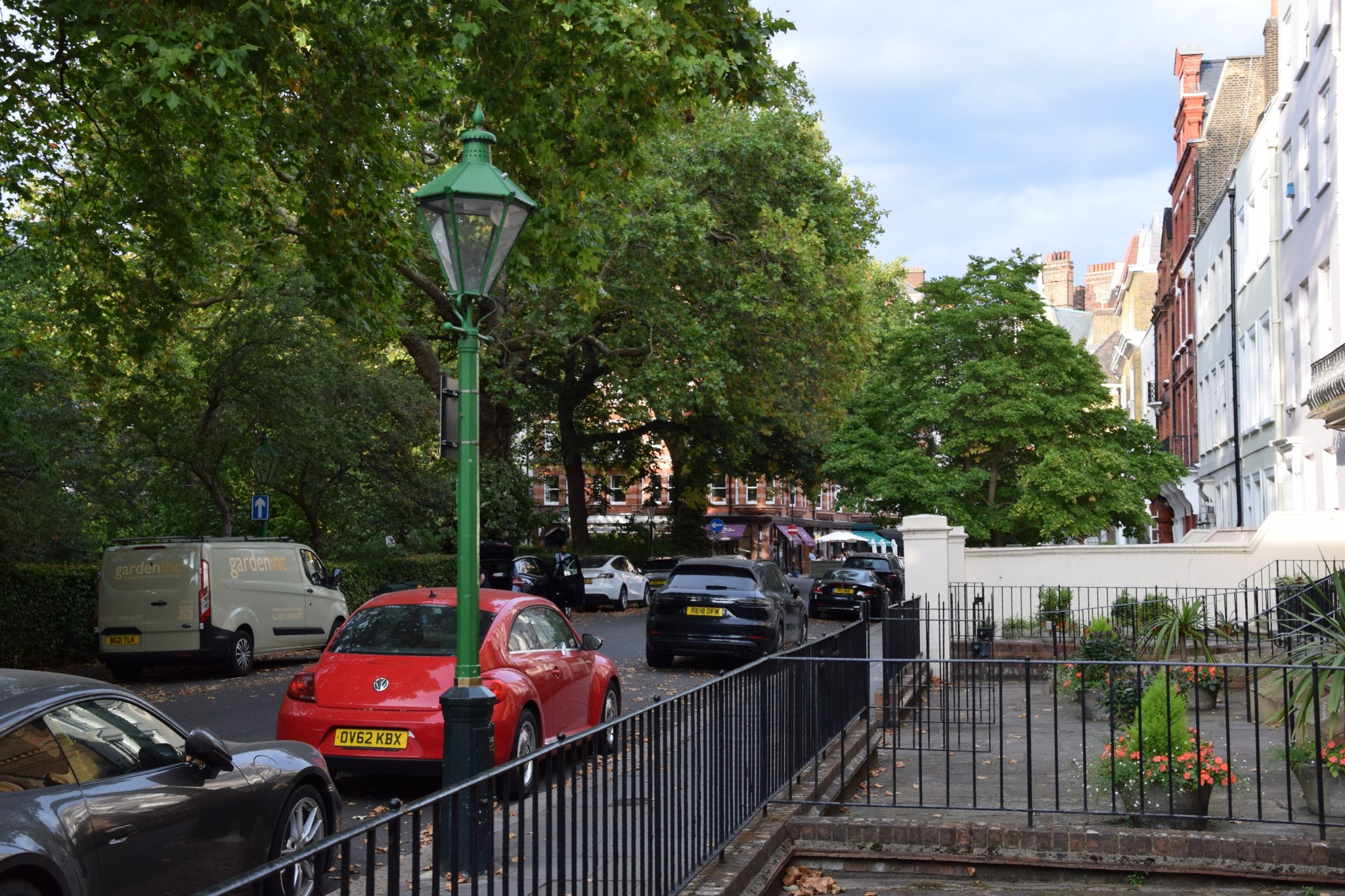
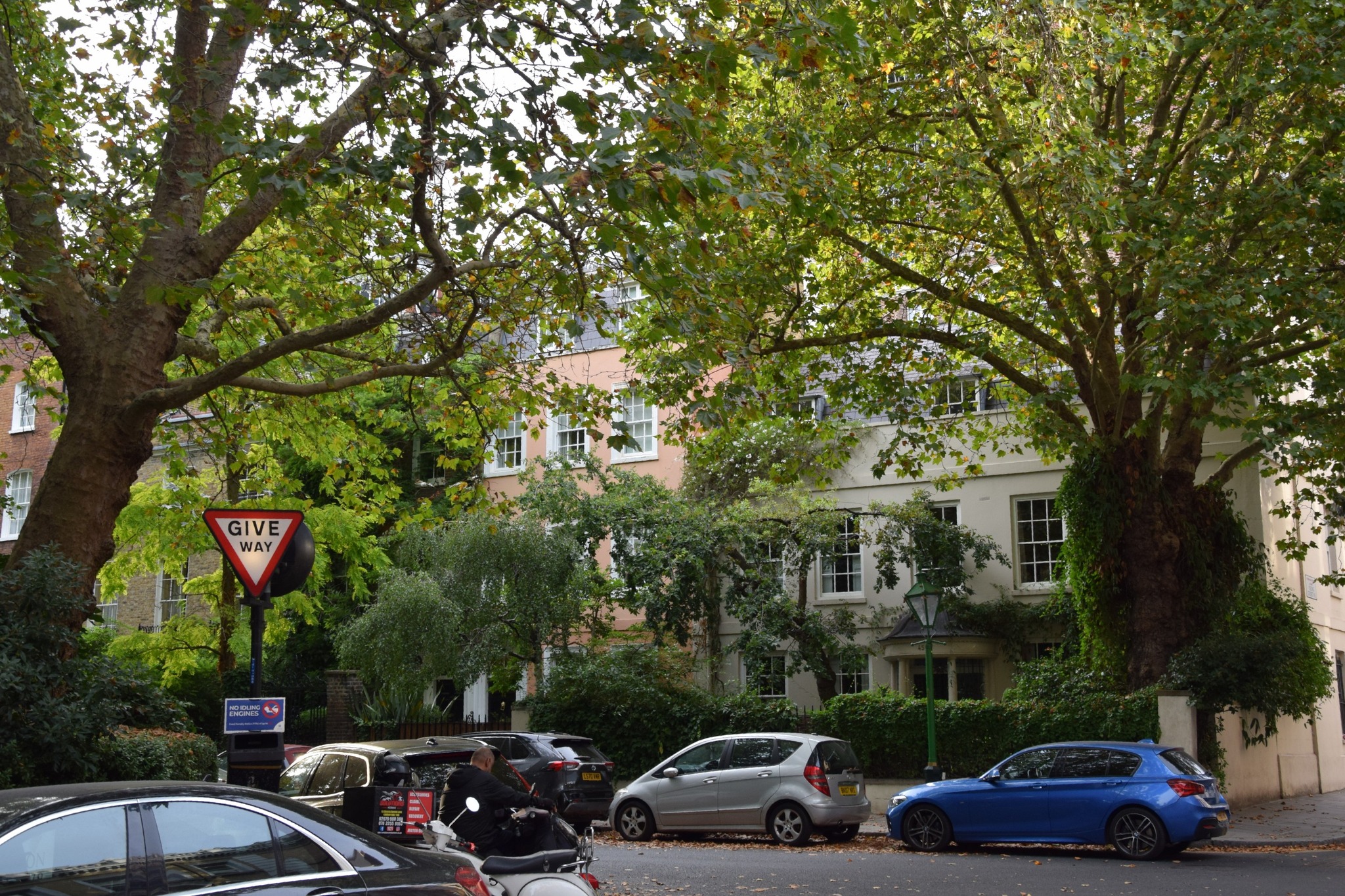
    Gordon Square, Bloomsbury, London
    Gordon Square, Bloomsbury, London

    Virginia grew up at Hyde Park Gate in Kensington, a respectable address that offered comfort but also imposed control. Family life there followed fixed rules, especially for women, and daily routines were shaped by duty and supervision. After the deaths of her parents, the house became emotionally heavy, filled with mourning and constant concern about Virginia’s health. Although she longed to return to books and writing, decisions about her life were often made by others. Over time, Hyde Park Gate came to represent a closed and restrictive world from which she needed to escape.

    That escape began with Bloomsbury.

    In the winter months preceding Leslie’s death, the decision had been taken for the Stephens to sell the gloomy house in Hyde Park Gate with all its associations and move to a Georgian terraced house in the less reputable but cheaper neighbourhood of Bloomsbury. Vanessa oversaw the move to 46 Gordon Square that October, while Virginia was staying with her Aunt Caroline Emelia Stephen at Cambridge, then with the Vaughan family at Giggleswick Hall, in Yorkshire. […] It was light and airy, clear from clutter, with a view across the trees in the square. […] There was an L-shaped sitting room on the first floor and Vanessa and Virginia had a study, with Thoby, who had just begun reading for the bar, settled on the ground floor. Virginia’s was equipped with a new sofa and desk, ready for her return. […] Dr Savage was concerned that Virginia should not return to London too soon, but the sisters overruled him and when Virginia arrived that November, she found the house ‘the most beautiful, the most exciting, the most romantic place in the world’. […] For the first time, paradoxically significant in preserving her freedom, Virginia had a lock on her bedroom door.

    Amy Licence, Living in Squares, Loving in Triangles: The Lives and Loves of Virginia Woolf and the Bloomsbury Group

    Gordon Square: light, freedom, and work begins (1905–1907)

    Although the Stephen siblings moved into Gordon Square in October 1904, Virginia did not join them immediately. After her father’s death earlier that year, she suffered a serious mental breakdown and, on medical advice, was kept away from London. Only in early 1905 was she considered well enough to return and begin her life in Bloomsbury.
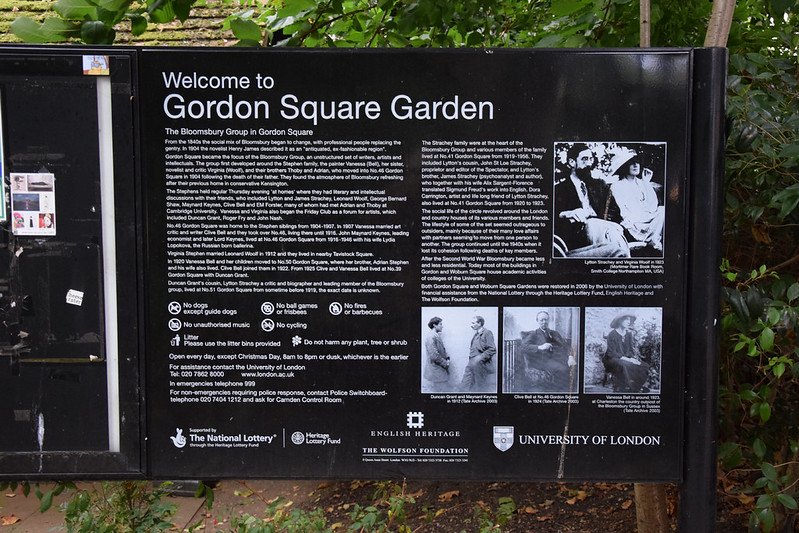
    Gordon Square, Bloomsbury, London
    Gordon Square, Bloomsbury, London

    Once settled at Gordon Square, Virginia lived with her sister Vanessa and her brothers Thoby and Adrian. For Virginia, the most important change was having a space of her own. For the first time in her life, she had rooms arranged entirely for reading and writing. From her upper-floor rooms, she looked out over the trees of the square, a view that became closely connected with her sense of freedom and creative possibility.
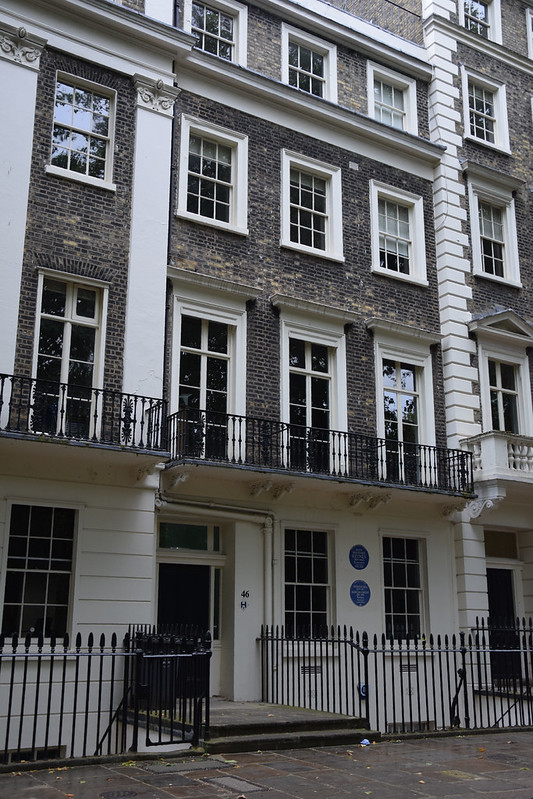
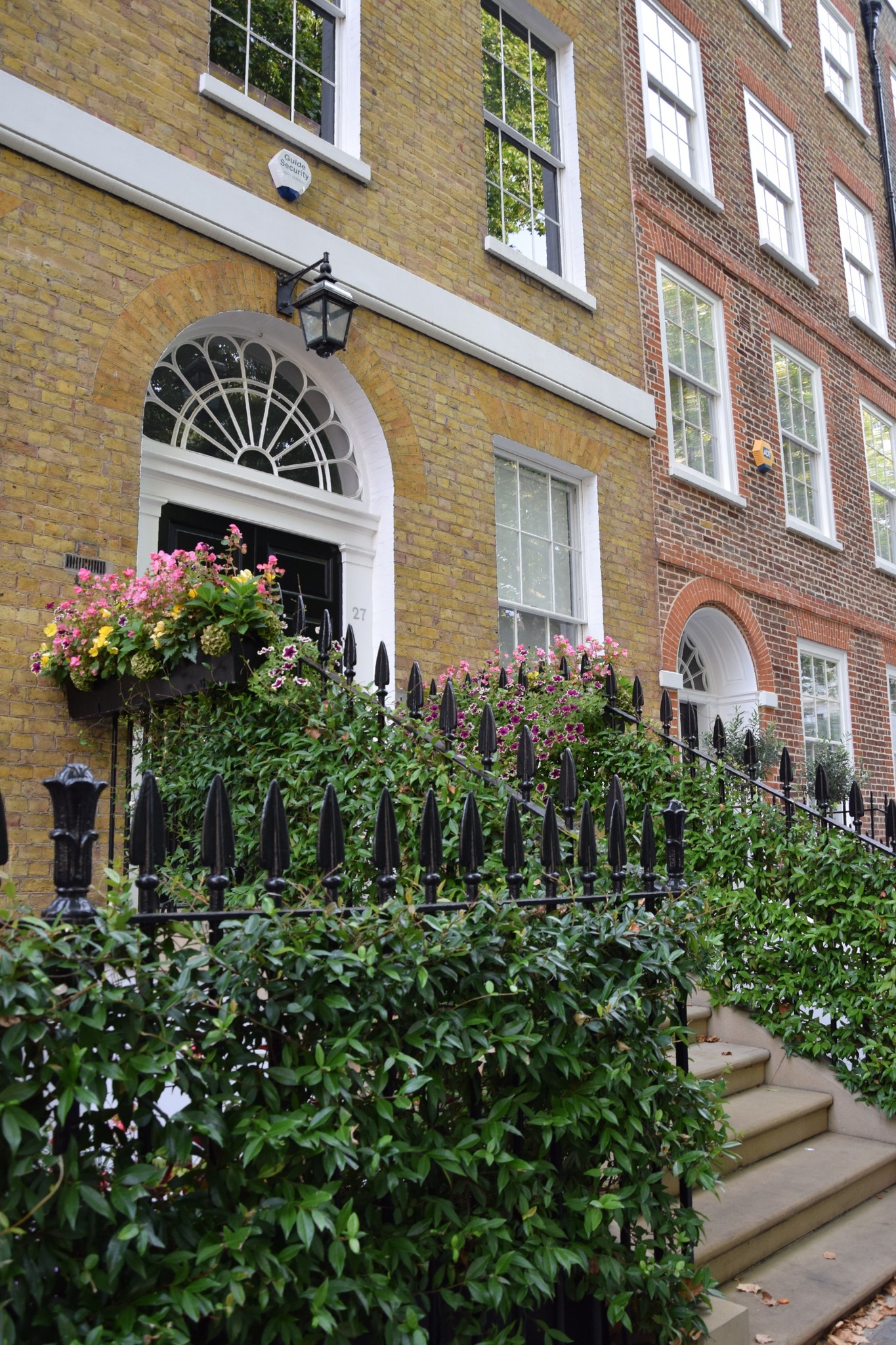
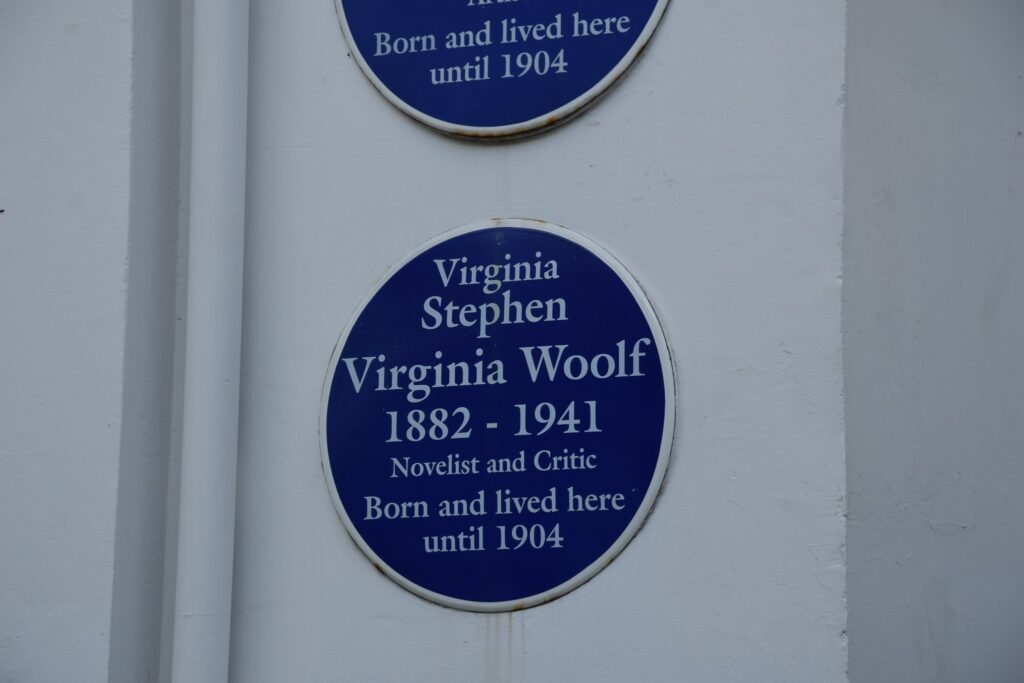
    46 Gordon Square, Bloomsbury, London, Virginia Woolf’s home, 1905-1907

    This new setting made sustained work possible. During her time at Gordon Square, Virginia began publishing regularly as a literary reviewer, especially for The Guardian. Writing reviews provided both income and discipline, helping her develop confidence and a professional identity. At the same time, she experimented with fiction, producing early short stories that explored the contrast between the respectable world she had left behind and the freer atmosphere of Bloomsbury.

    Alongside journalism, Virginia also taught at Morley College for working men and women. She lectured on books, art, and history, gaining experience in explaining ideas clearly and addressing audiences beyond her own social circle. Although the work was demanding, it gave structure to her days and broadened her understanding of readers and listeners.
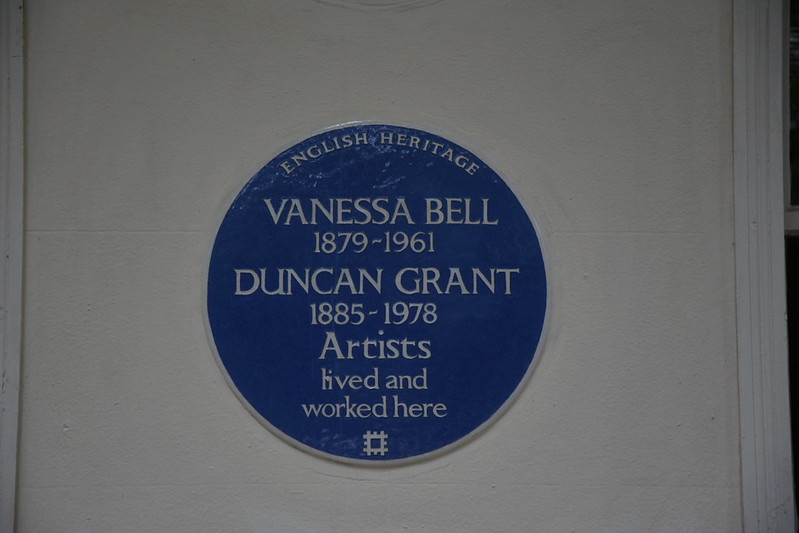
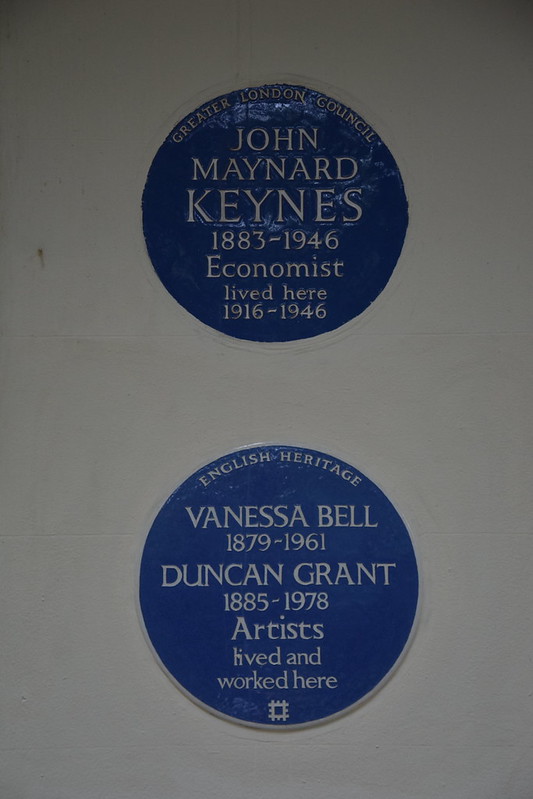
    Vanessa Bell and Duncan Grant plaque, 46 Gordon Square, Bloomsbury, London
    46 Gordon Square, Bloomsbury, London

    Daily life at Gordon Square supported this working rhythm. The siblings deliberately abandoned many social conventions they had grown up with. Formal visiting rituals disappeared, and life was organised around reading, writing, and discussion rather than obligation. Virginia also began walking alone through London, exploring streets, bookshops, galleries, lectures, and concerts. These walks sharpened her attention to everyday urban life and later became an important element of her writing.
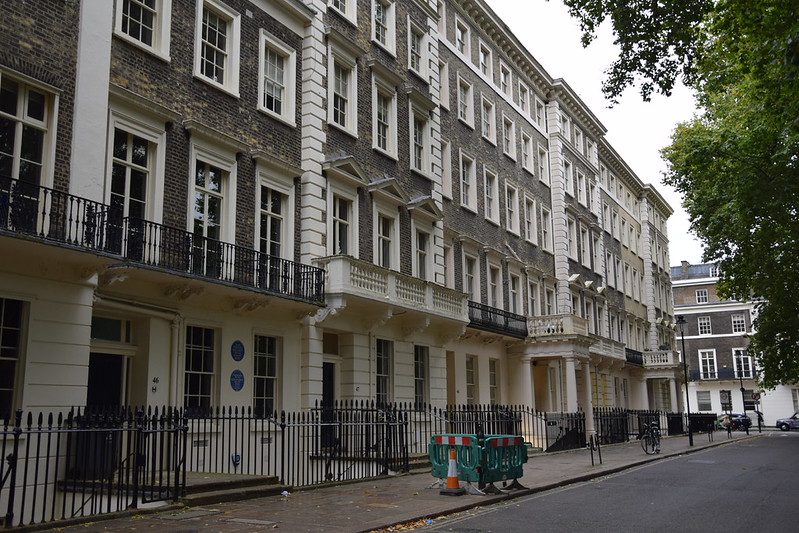
    46 Gordon Square, Bloomsbury, London, Virginia Woolf’s home, 1905-1907
    46 Gordon Square, Bloomsbury, London – where Virginia Woolf lived from 1905 to 1907

    It was also at Gordon Square that the Bloomsbury Group began to take shape. Thoby Stephen, missing the intensity of Cambridge conversations, invited his friends to the house on Thursday evenings. These informal gatherings gradually became a regular meeting place for young writers and thinkers. Discussion focused on literature, philosophy, and ethical questions rather than social display. When artists later joined through Vanessa’s circle, Bloomsbury expanded beyond literature into visual art and design.
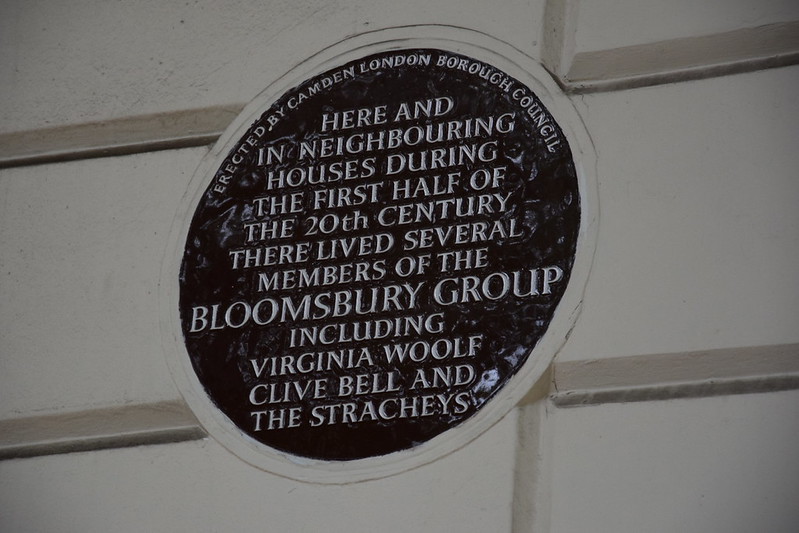
    Bloomsbury Group plaque, Gordon Square, London
    Bloomsbury Group plaque, Gordon Square, London – a place central to the formation of the Bloomsbury Group.

    The Gordon Square years were short but intense. In the autumn of 1906, the siblings travelled to Greece. Shortly after returning to London, Thoby fell ill and died on 20 November 1906. Only two days later, Vanessa accepted Clive Bell’s marriage proposal. The household that had supported shared beginnings and collective work could no longer remain unchanged.

    Fitzroy Square: independence, pressure, and the first novel (1907–1911)

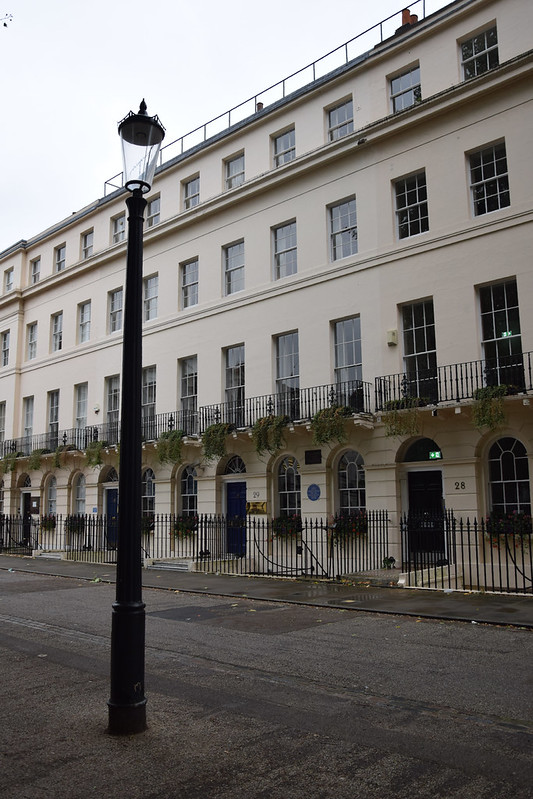
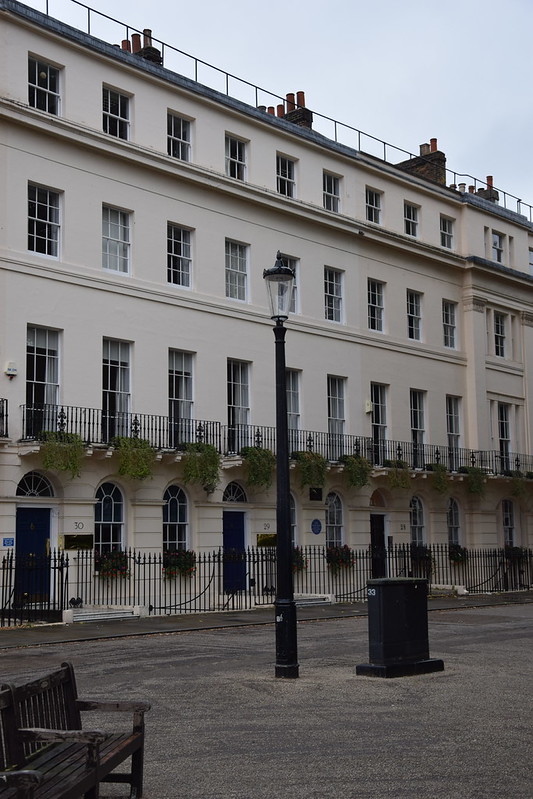
    In March 1907, Virginia and her younger brother Adrian moved to 29 Fitzroy Square, still within Bloomsbury but deliberately separate from Gordon Square. This move marked a new stage. Virginia was no longer part of a sibling household; she was now shaping her life more independently, both personally and professionally.
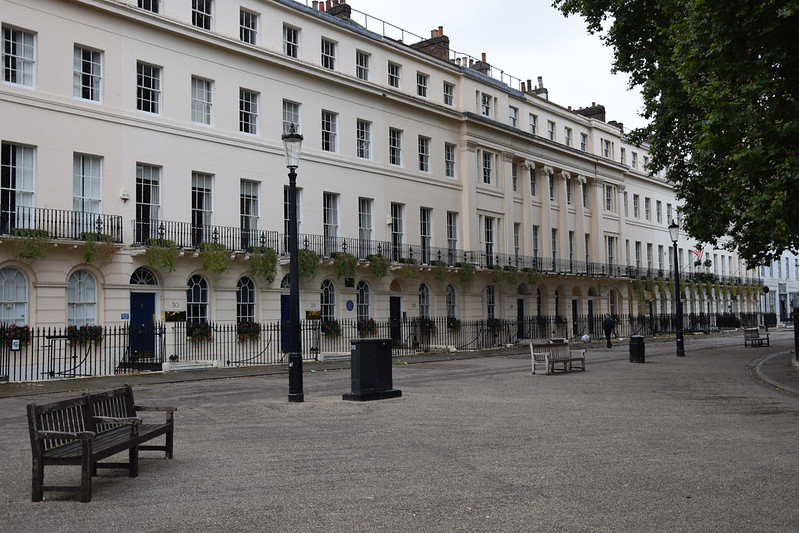
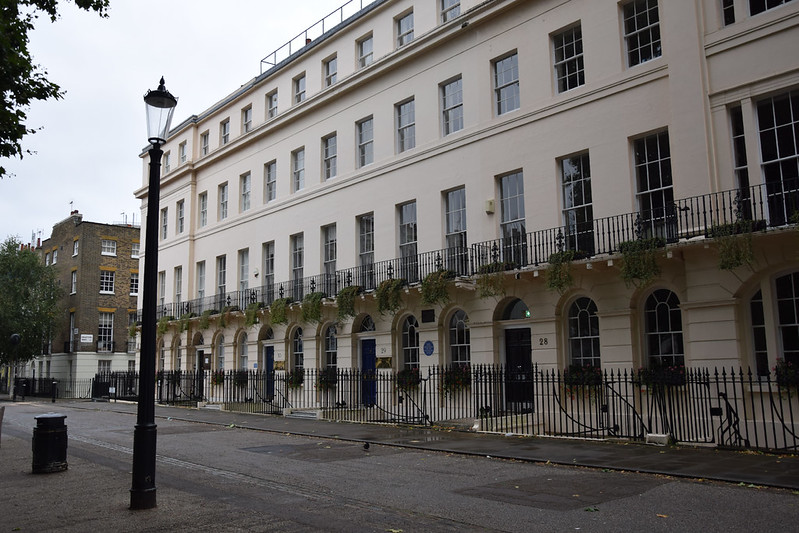
    Fitzroy Square, Bloomsbury, London - the house where Virginia Woolf lived from 1907 to 1911
    Fitzroy Square, Bloomsbury, London – the house where Virginia Woolf lived from 1907 to 1911

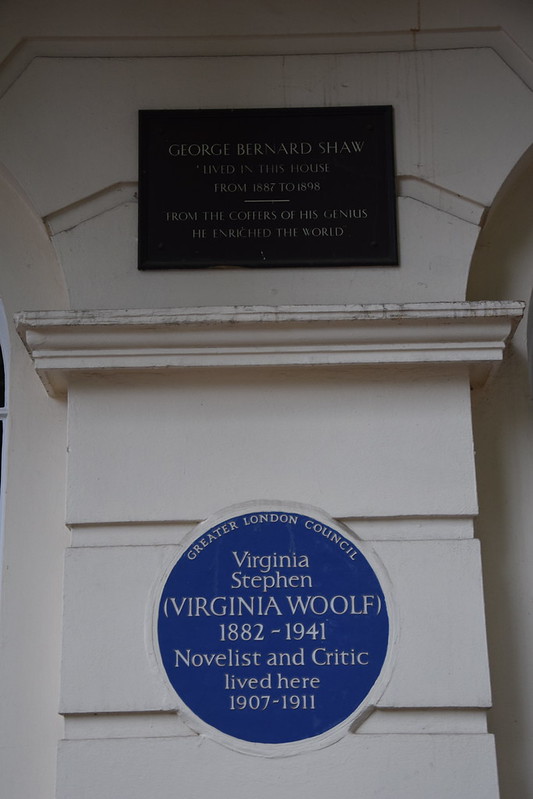
    Fitzroy Square was louder and less fashionable than Gordon Square. The house required improvements, and money was often tight. Yet the move brought greater autonomy. Virginia ran her own household and had full control over her working space, occupying an entire floor filled with books, papers, and furniture chosen according to her own taste. The building itself had a literary past, having previously been home to George Bernard Shaw before his marriage.
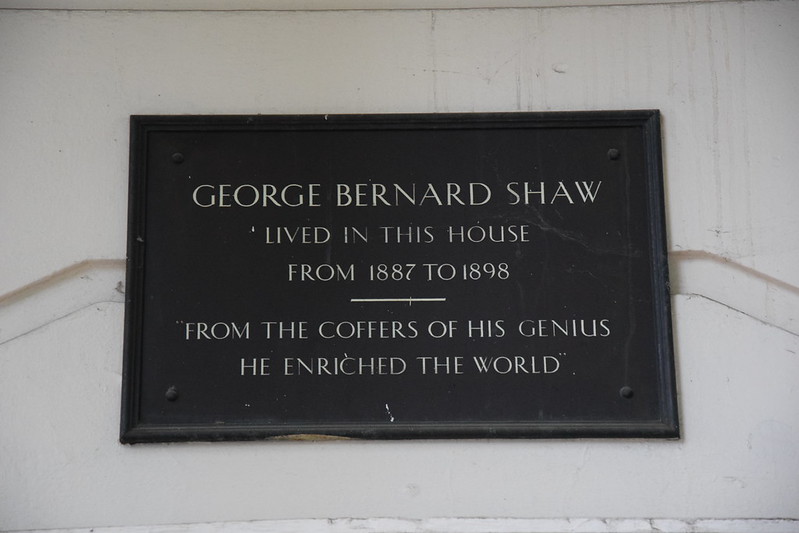
    29 Fitzroy Square, Bloomsbury, London, former home of George Bernard Shaw
    George Bernard Shaw plaque, 29 Fitzroy Square, Bloomsbury, London

    Work continued steadily. During her years at Fitzroy Square, Virginia wrote regularly for The Times Literary Supplement while continuing her reviewing work elsewhere. Journalism remained central to her professional life, providing income and sharpening her critical voice. At the same time, she began serious work on her first novel, initially titled Melymbrosia, later published as The Voyage Out. This period marked her transition from reviewer to novelist.
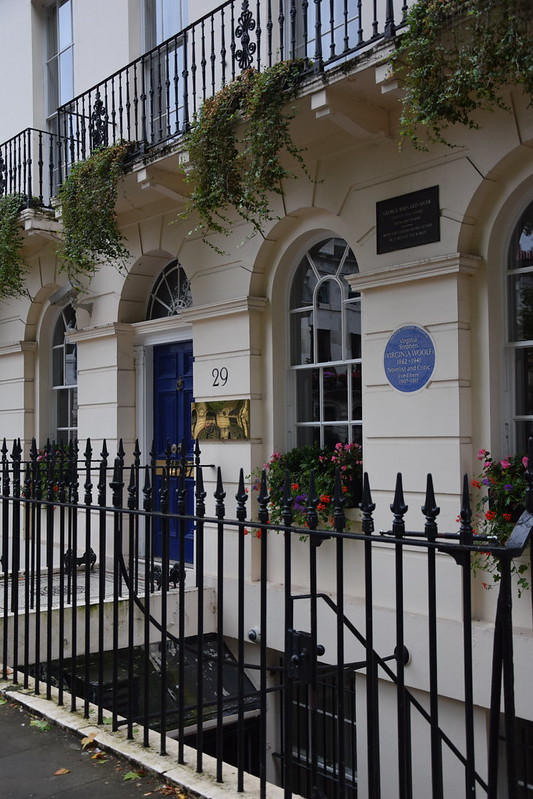
    29 Fitzroy Square, Bloomsbury, London - the house where Virginia Woolf lived from 1907 to 1911

    Life at Fitzroy Square was not easy. Noise, financial pressure, and emotional strain were constant, especially after the loss of her brother and changes in her relationship with Vanessa. Yet Virginia remained productive. Writing became both a discipline and a form of stability, giving shape to her days and direction to her thoughts.

    Virginia lived at Fitzroy Square until October 1911, when the lease ended. By then, she had established herself as a working writer and was ready to move on again, both physically and creatively.

    Bloomsbury as a place of work and ideas

    Seen together, Gordon Square and Fitzroy Square show how closely Virginia Woolf’s life and work were tied to the places she lived. Gordon Square made writing possible by offering light, space, and intellectual companionship. Fitzroy Square tested her independence and pushed her towards larger ambitions, including her first novel. These London addresses were not simply backdrops to her life but active working environments that shaped her habits, her discipline, and her sense of what it meant to be a writer.
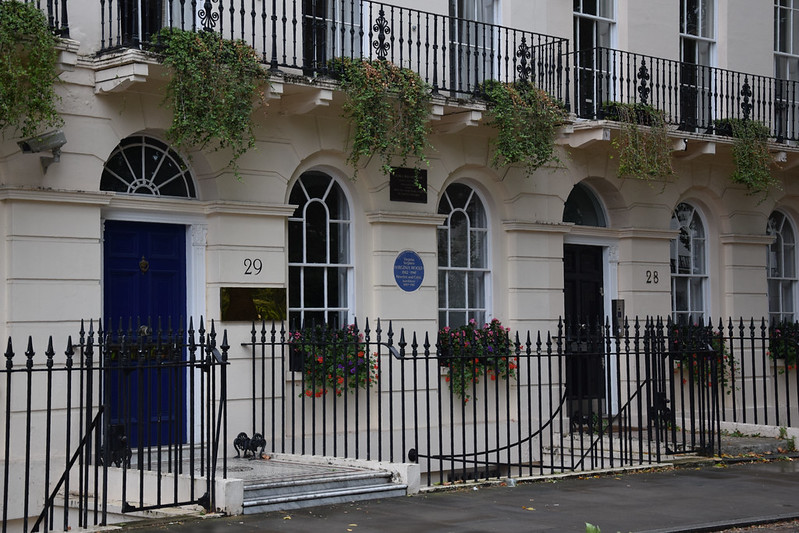
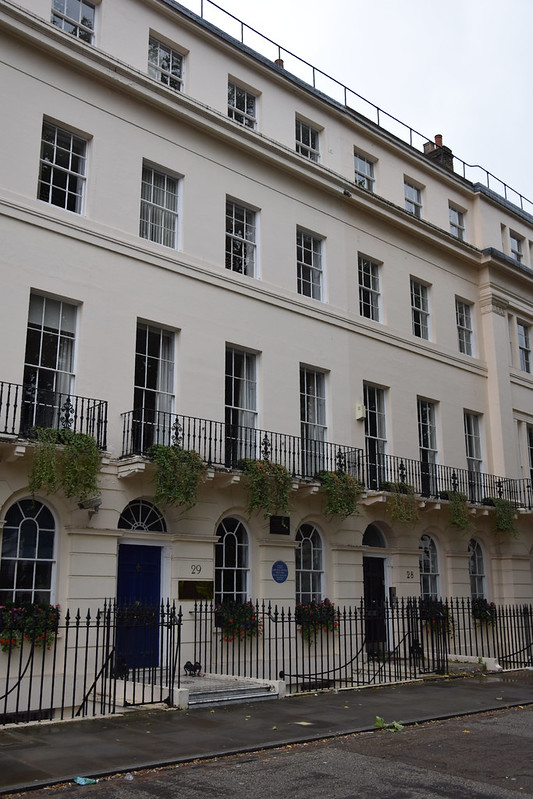
    29 Fitzroy Square, Bloomsbury, London - Virginia Woolf's home from 1907 to 1911
    29 Fitzroy Square, Bloomsbury, London – Virginia Woolf’s home from 1907 to 1911

    Walking through Bloomsbury

    All photographs by the author.

    This account draws on biographical and historical studies of Virginia Woolf and her circle, particularly those that explore the relationship between place, daily life, and creative work. The books listed below were consulted in shaping this narrative and offer further context for readers who wish to explore Woolf’s London in greater detail.

    • Lee, Hermione. Virginia Woolf. Chatto & Windus, 1996.
    • Macaskill, Hilary. Virginia Woolf at Home. Pimpernel Press, 2019.
    • Licence, Amy. Living in Squares, Loving in Triangles: The Lives and Loves of Virginia Woolf and the Bloomsbury Group. Amberley, 20215
    • Hill-Miller, Katherine C. From the Lighthouse to Monk’s House: A Guide to Virginia Woolf’s Literary Landscapes. Duckworth, 2001.
    • Woolf, Virginia. A Writer’s Diary. Delphi Classics, 2017.

    The first part of the series can be read here: Virginia Woolf’s London – A Literary Guide to the City (Part 1)

    If you find my work valuable, you can support it here:

    Buy Me a Coffee
  • Virginia Woolf’s London – A Literary Guide to the City (Part 1)

    22 Hyde Park Gate, Kensington (1882–1904)

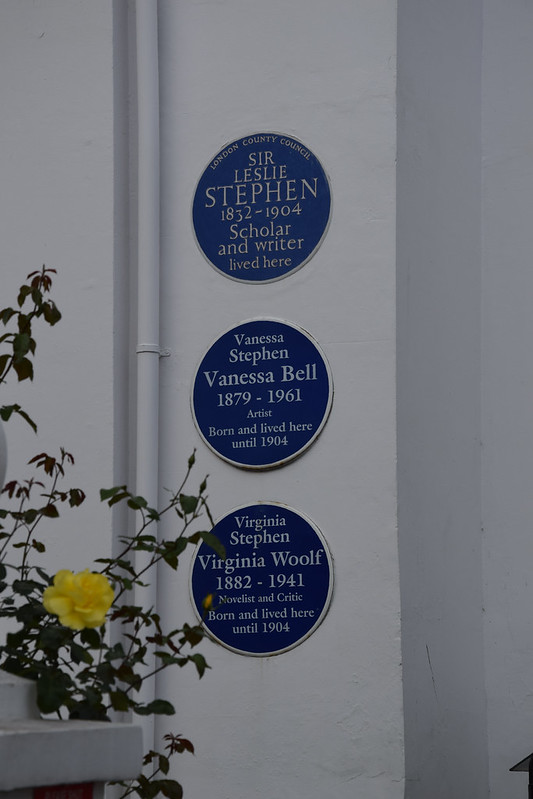
    While visiting London recently, I couldn’t resist returning to this place. I sat on the steps across the street and gazed at the stately townhouse where Virginia Woolf was born on January 25, 1882, as Adeline Virginia Stephen, the youngest daughter of the successful author and critic Sir Leslie Stephen. With a sense of emotion, I recalled the memories Woolf shares in her autobiographical essays, Moments of Being.

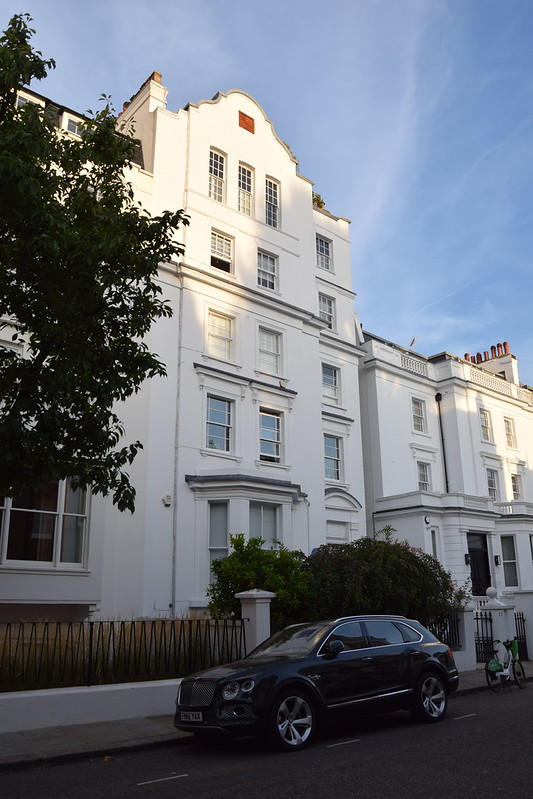
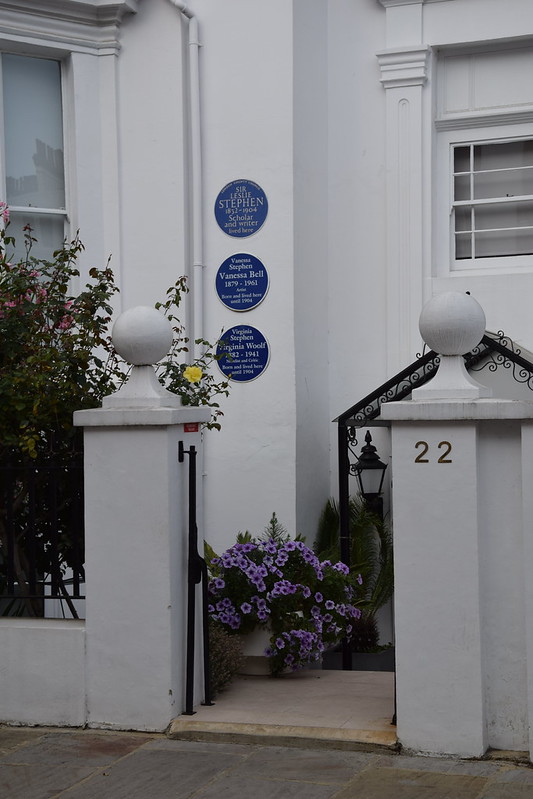
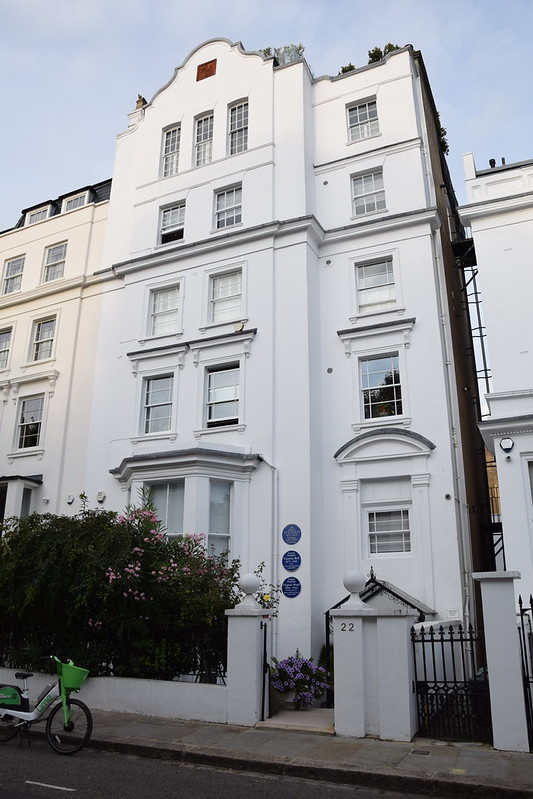
    22 Hyde Park Gate, London, the birthplace of Virginia Woolf

    The house was dark because the street was so narrow that one could see Mrs Redgrave washing her neck in her bedroom across the way; also because my mother who had been brought up in the Watts-Venedan-Little Holland House tradition had covered the furniture in red velvet and painted the woodwork black with thin gold lines upon it. The house was also completely quiet. Save for an occasional hansom or butcher’s cart nothing ever passed the door. One heard footsteps tapping down the street before we saw a top hat or a bonnet; one almost always knew who it was that passed; it might be Sir Arthur Clay; the Muir Mackenzies or the white-nosed Miss or the red-nosed Mrs Redgrave. Here then seventeen or eighteen people lived in small bedrooms with one bathroom and three water-closets between them.

    22 Hyde Park Gate, London, the birthplace of Virginia Woolf

    Here the four of us were born; here my grandmother died; here my mother died; here my father died; here Stella became engaged to Jack Hills and two doors further down the street after three months of marriage she died too. When I look back upon that house it seems to me so crowded with scenes of family life, grotesque, comic and tragic; with the violent emotions of youth, revolt, despair, intoxicating happiness, immense boredom, with parties of the famous and the dull; with rages again, George and Gerald; with love scenes with Jack Hills; with passionate affection for my father alternating with passionate hatred of him, all tingling and vibrating in an atmosphere of youthful bewilderment and curiosity that I feel suffocated by the recollection. The place seemed tangled and matted with emotion. I could write the history of every mark and scratch in my room, I wrote later. The walls and the rooms had in sober truth been built to our shape. We had permeated the whole vast fabric it has since been made into an hotel with our family history. It seemed as if the house and the family which had lived in it, thrown together as they were by so many deaths, so many emotions, so many traditions, must endure for ever. And then suddenly in one night both vanished.

    Virginia Woolf, Moments of Being – Autobiographical Essays

    13 Kensington Square

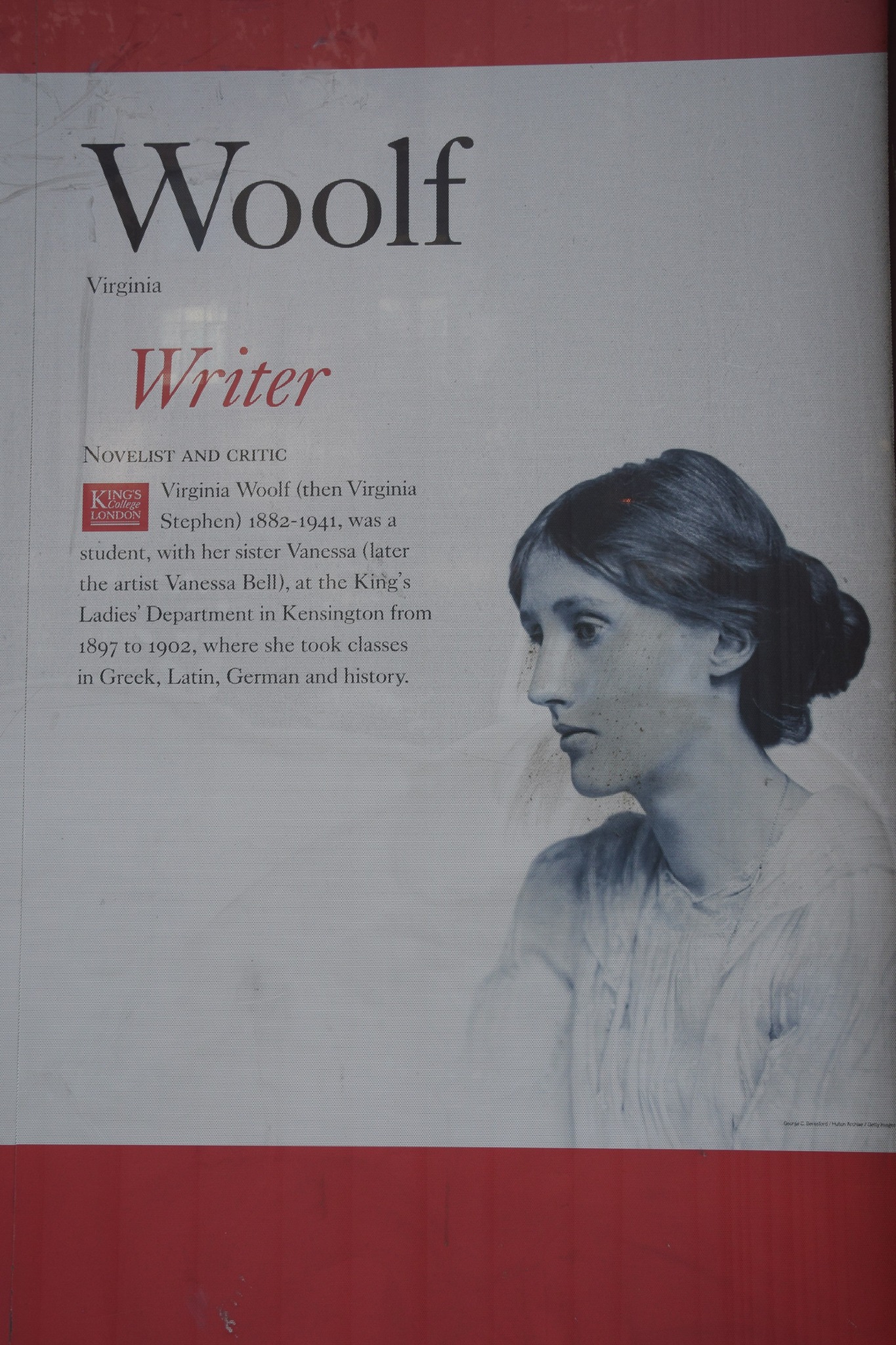
    In the second half of the nineteenth century, London saw the first academic institutions open their doors to women. One of the most important was the Ladies’ Department of King’s College London, which was established in 1885 at 13 Kensington Square. It provided women the opportunity to study subjects that had long been reserved almost entirely for men.

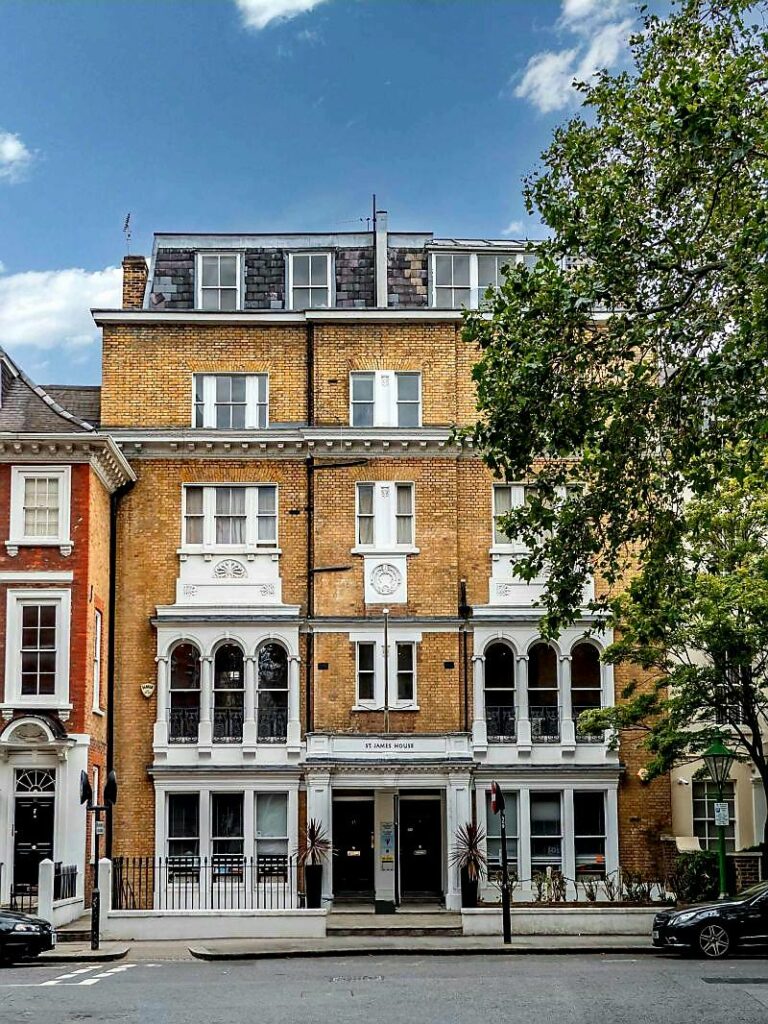
    St James’ House, 13 Kensington Square London

    Inside this townhouse, students attended lectures in history, literature, classical and modern languages, philosophy, and the sciences. The Department had academic standing while retaining an intimate character, with many lessons conducted in small groups. From the 1890s, Lilian Faithfull, a teacher and social reformer, played a leading role in advancing women’s education. Among the tutors were outstanding classicists such as Clara Pater and Janet Case, both of whom strongly influenced the intellectual growth of future writers and artists.

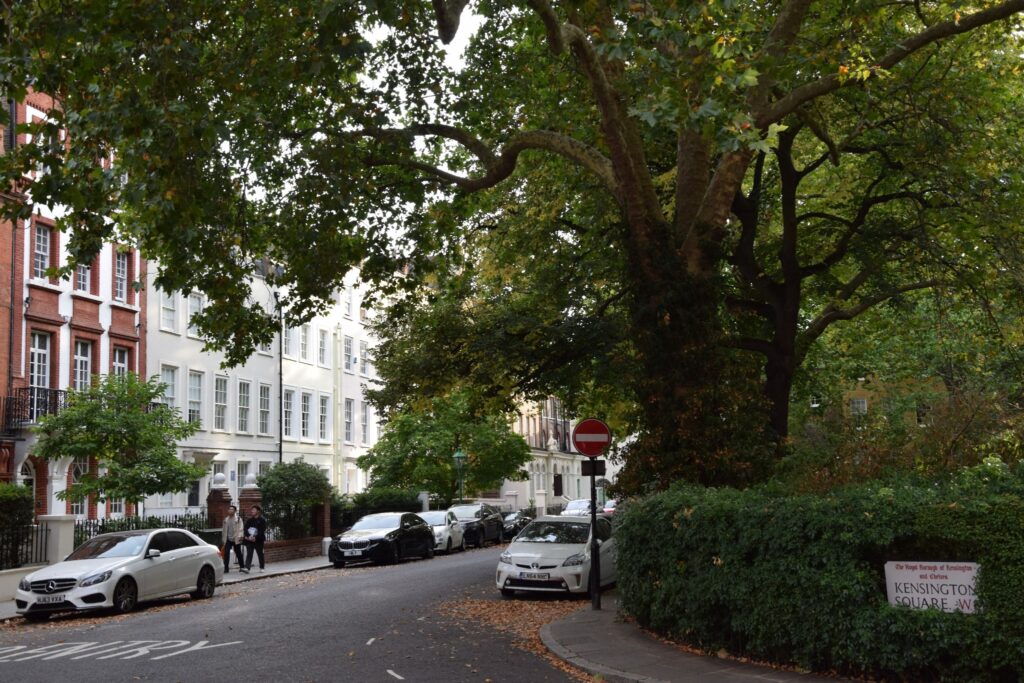
    Kensington Square, London

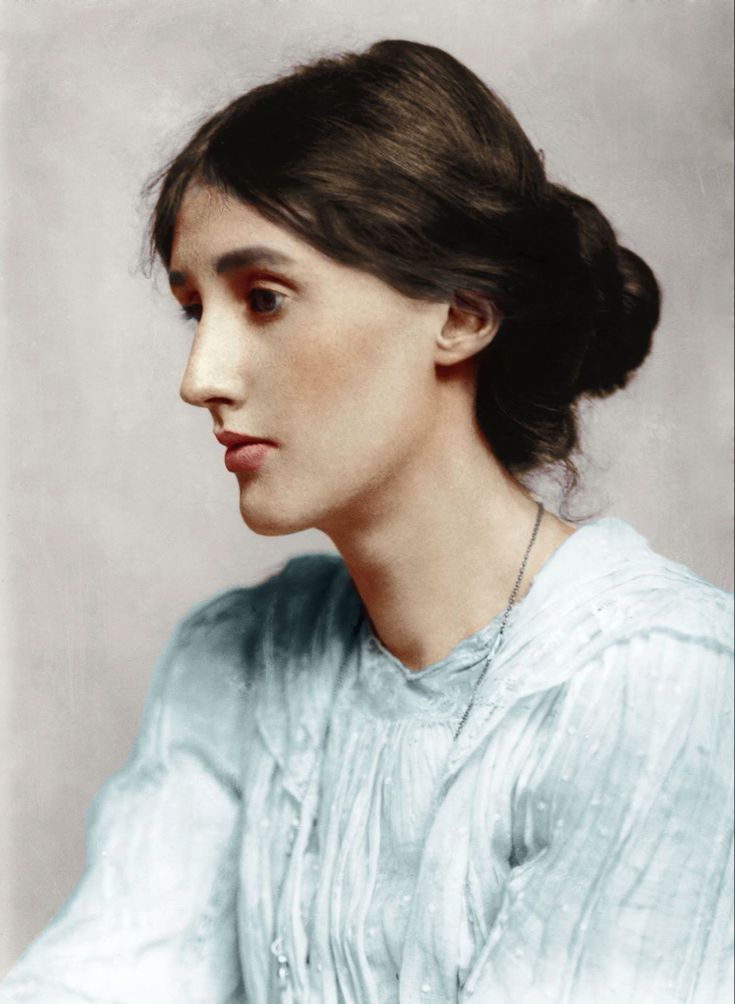
    It was here, between 1897 and 1902, that Virginia Stephen – later known as Virginia Woolf – studied history, Greek, Latin and German. She also took private Greek lessons with Janet Case. Her elder sister, the painter Vanessa Stephen (later Vanessa Bell), also studied at the Department. For both sisters, Kensington Square offered their first taste of academic life. Though limited by the restrictions placed on women at the time, the experience encouraged their later self-education and creativity.

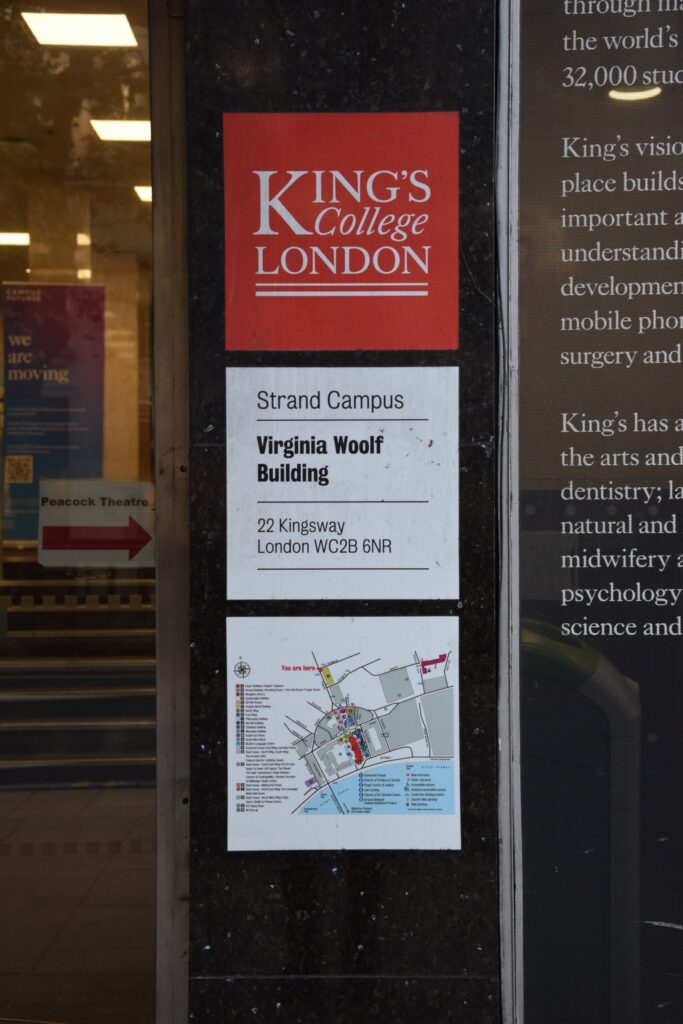
    King’s College London, Virginia Woolf Building, 22 Kingsway, London

    Today, the building at 13 Kensington Square is called St James’ House and serves as office space. It remains an important landmark in the history of women’s education in Britain. Virginia Woolf is remembered at King’s College London, where she is named among its distinguished former students, and one of the university buildings now carries her name (22 Kingsway, London).

    All photographs by the author.

    If you’d like to continue this literary walk, the second part of the guide explores further London locations connected to Virginia Woolf’s life and writing.

    If you find my work valuable, you can support it here:
    Buy Me A Coffee
  • Music is a Woman

    A few thoughts from the borderland of literature and music, marking today’s International Music Day.

    When reading the novelised biography The Pianist: Clara Schumann and the Music of Love by Beate Rygiert, one cannot help but wonder: how many talents have been lost or forgotten simply because they belonged to women? Clara and her art are something of an exception, but even today, the name ‘Schumann’ is mainly associated with her husband, Robert. Clara herself, an outstanding pianist and gifted composer, is still too often remembered mostly as the wife of a famous composer, or as the unfulfilled love of Johannes Brahms.

    Anyone who has studied even a little music history knows how few women’s names appear there. The reason is the same as why the Brontë sisters once published under the name ‘Bell’, or why Mary Ann Evans is remembered only under her male pseudonym George Eliot. George Sand, standing between literature and music, is another striking case: she became known for her bold themes and independent way of life, going beyond the customs of her time. But again — not without trousers, a cigar, and a man’s name.

    Virginia Woolf wrote powerfully about the situation of women and their place in art in her 1929 essay A Room of One’s Own. It is striking how many of the problems she described are still relevant today. Thinking about what English (and world) literature might have been like if Shakespeare had been born a woman, she concluded:

    Yet something like genius must have existed in women (…). That genius was certainly not fully transferred to paper. When we read of the drowning of a witch, of a woman possessed by devils, of a wise witch selling herbs, or of a mother of some extraordinary man, then, I think, we are on the trail of a silenced novelist or poetess, some mute Jane Austen of whom no one ever heard, or some Emily Brontë who smashed in her skull somewhere on a moor or wandered dazed and wretched along roads, driven mad by the genius to which she was condemned.

    Virginia Woolf, A Room of One’s Own

    I believe these words apply just as well to music. The Spanish musicologist Sakira Ventura has tried to help fill this historical gap. She has pushed aside old prejudices, social rules, and taboos that, for centuries, kept women in the shadows, and she has created an interactive online map featuring hundreds of women composers, past and present. Each entry includes a short biography and links for further reading.

    They don’t appear in musical history books, their works aren’t played at concerts and their music isn’t recorded,” she told The Guardian. “I had always talked about putting these composers on the map – so it occurred to me to do it literally.

    Music is a woman!

    If you find my work valuable, you can support it here:
    Buy Me A Coffee