
22 Hyde Park Gate, Kensington (1882–1904)
While visiting London recently, I couldn’t resist returning to this place. I sat on the steps across the street and gazed at the stately townhouse where Virginia Woolf was born on January 25, 1882, as Adeline Virginia Stephen, the youngest daughter of the successful author and critic Sir Leslie Stephen. With a sense of emotion, I recalled the memories Woolf shares in her autobiographical essays, Moments of Being.
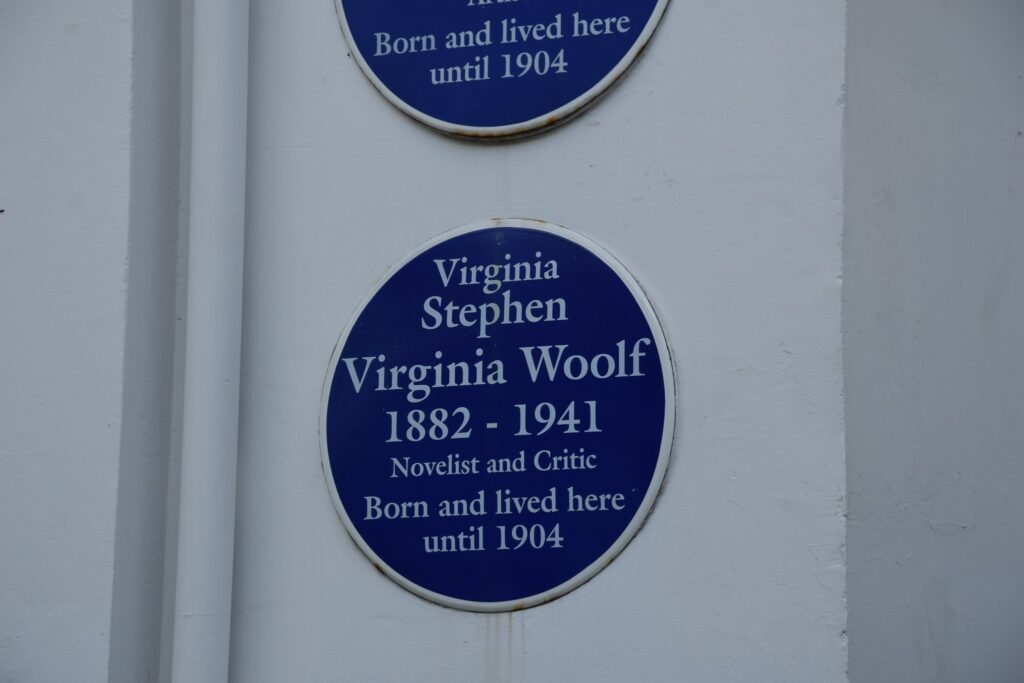
The house was dark because the street was so narrow that one could see Mrs Redgrave washing her neck in her bedroom across the way; also because my mother who had been brought up in the Watts-Venedan-Little Holland House tradition had covered the furniture in red velvet and painted the woodwork black with thin gold lines upon it. The house was also completely quiet. Save for an occasional hansom or butcher’s cart nothing ever passed the door. One heard footsteps tapping down the street before we saw a top hat or a bonnet; one almost always knew who it was that passed; it might be Sir Arthur Clay; the Muir Mackenzies or the white-nosed Miss or the red-nosed Mrs Redgrave. Here then seventeen or eighteen people lived in small bedrooms with one bathroom and three water-closets between them.
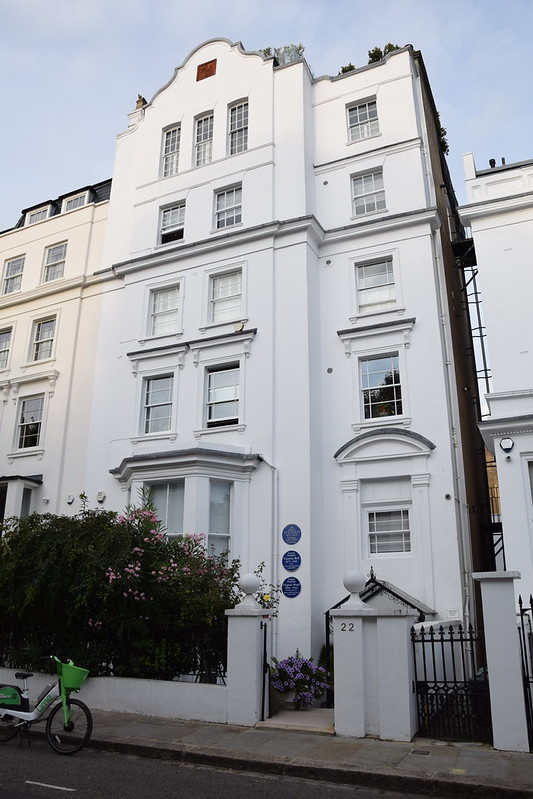
Here the four of us were born; here my grandmother died; here my mother died; here my father died; here Stella became engaged to Jack Hills and two doors further down the street after three months of marriage she died too. When I look back upon that house it seems to me so crowded with scenes of family life, grotesque, comic and tragic; with the violent emotions of youth, revolt, despair, intoxicating happiness, immense boredom, with parties of the famous and the dull; with rages again, George and Gerald; with love scenes with Jack Hills; with passionate affection for my father alternating with passionate hatred of him, all tingling and vibrating in an atmosphere of youthful bewilderment and curiosity that I feel suffocated by the recollection. The place seemed tangled and matted with emotion. I could write the history of every mark and scratch in my room, I wrote later. The walls and the rooms had in sober truth been built to our shape. We had permeated the whole vast fabric it has since been made into an hotel with our family history. It seemed as if the house and the family which had lived in it, thrown together as they were by so many deaths, so many emotions, so many traditions, must endure for ever. And then suddenly in one night both vanished.
Virginia Woolf, Moments of Being – Autobiographical Essays
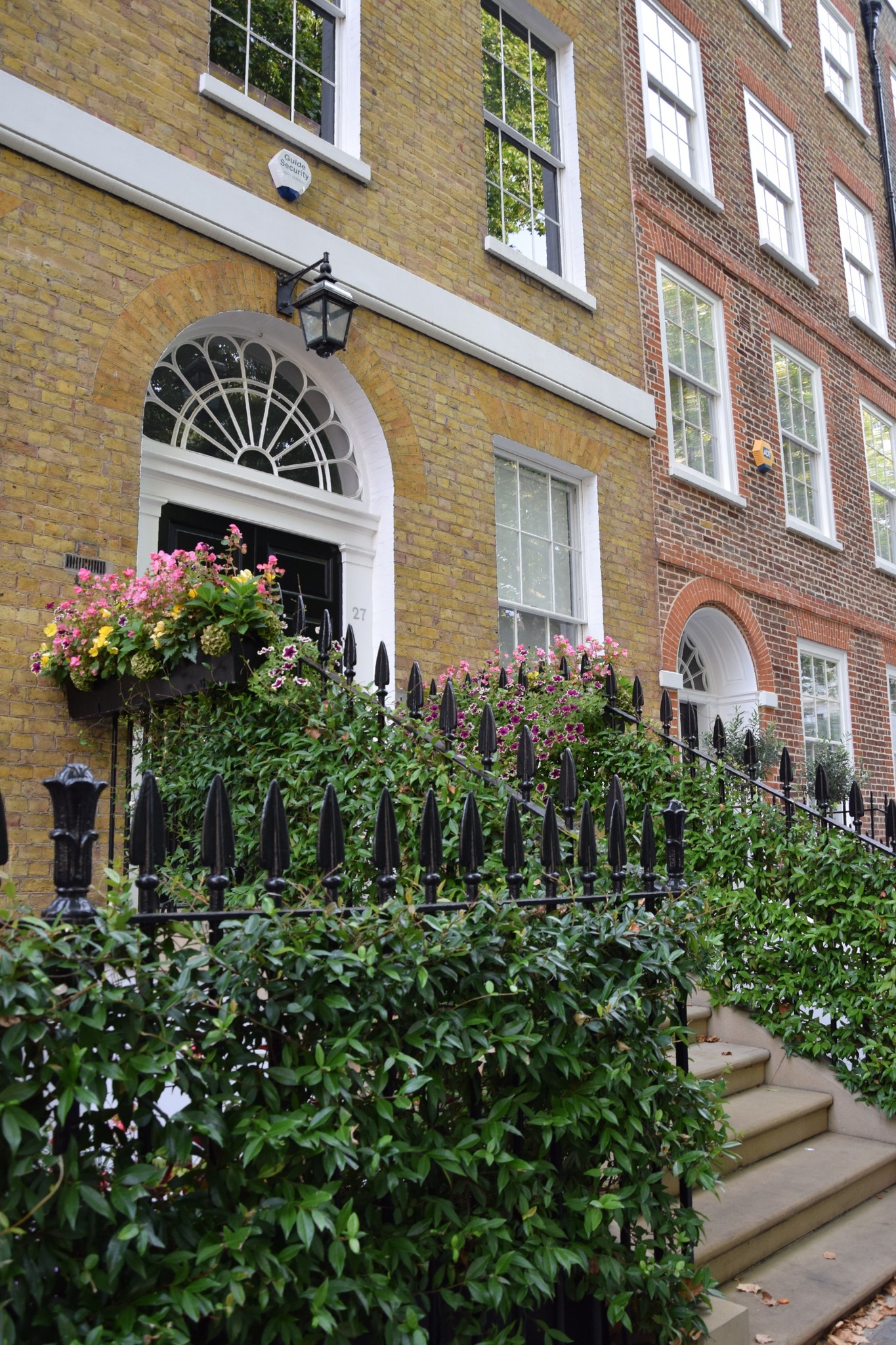
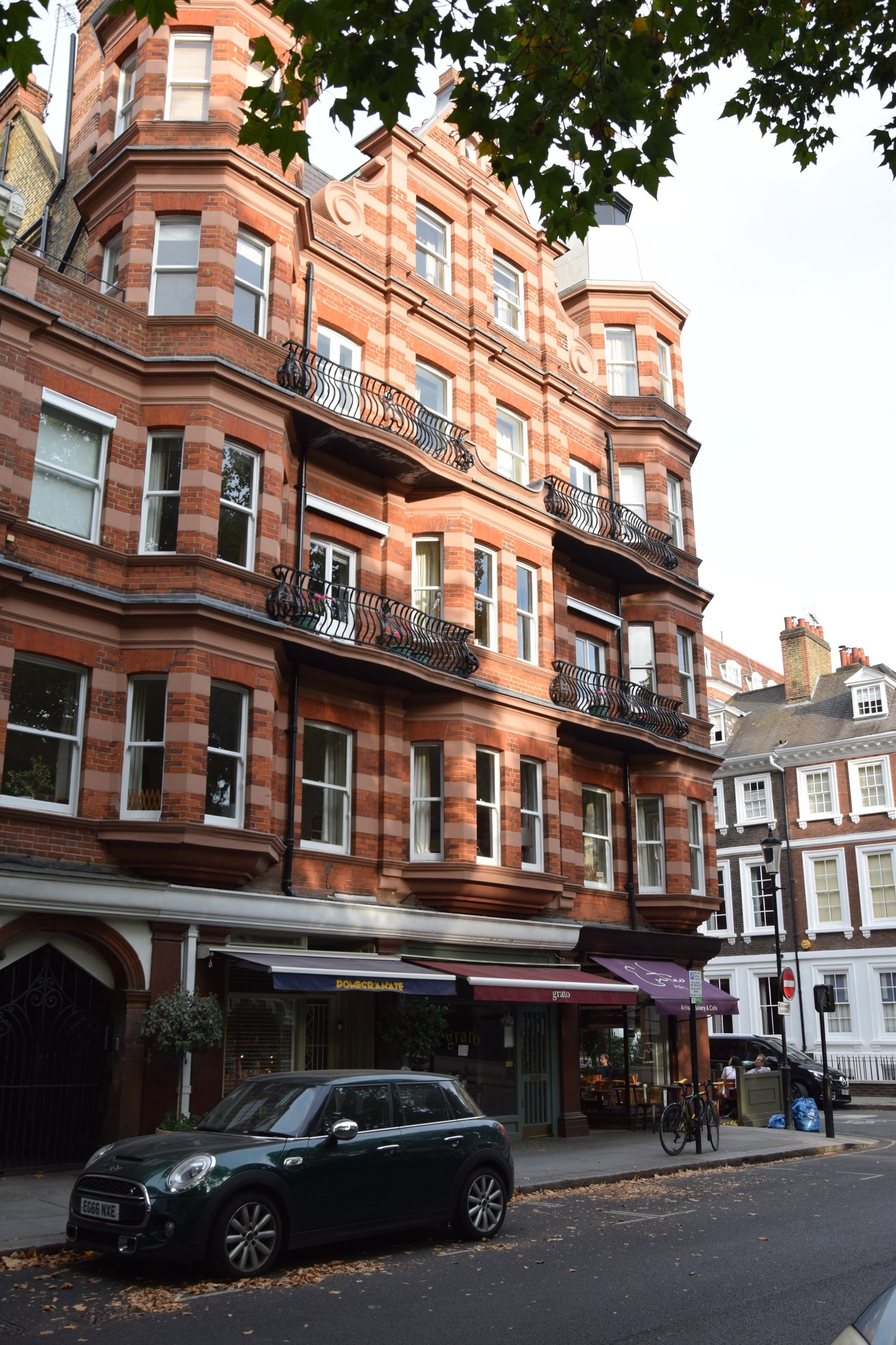
13 Kensington Square
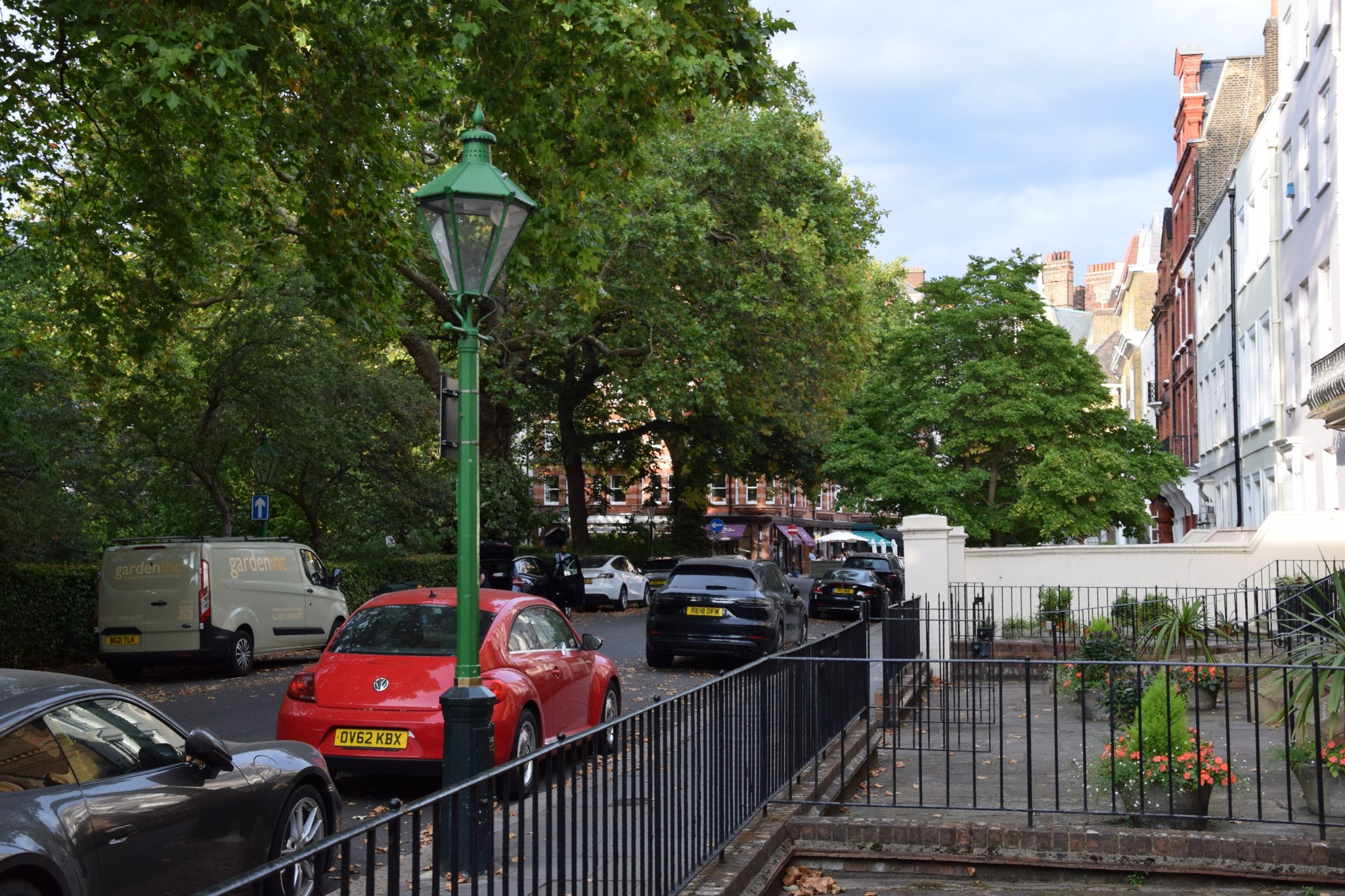
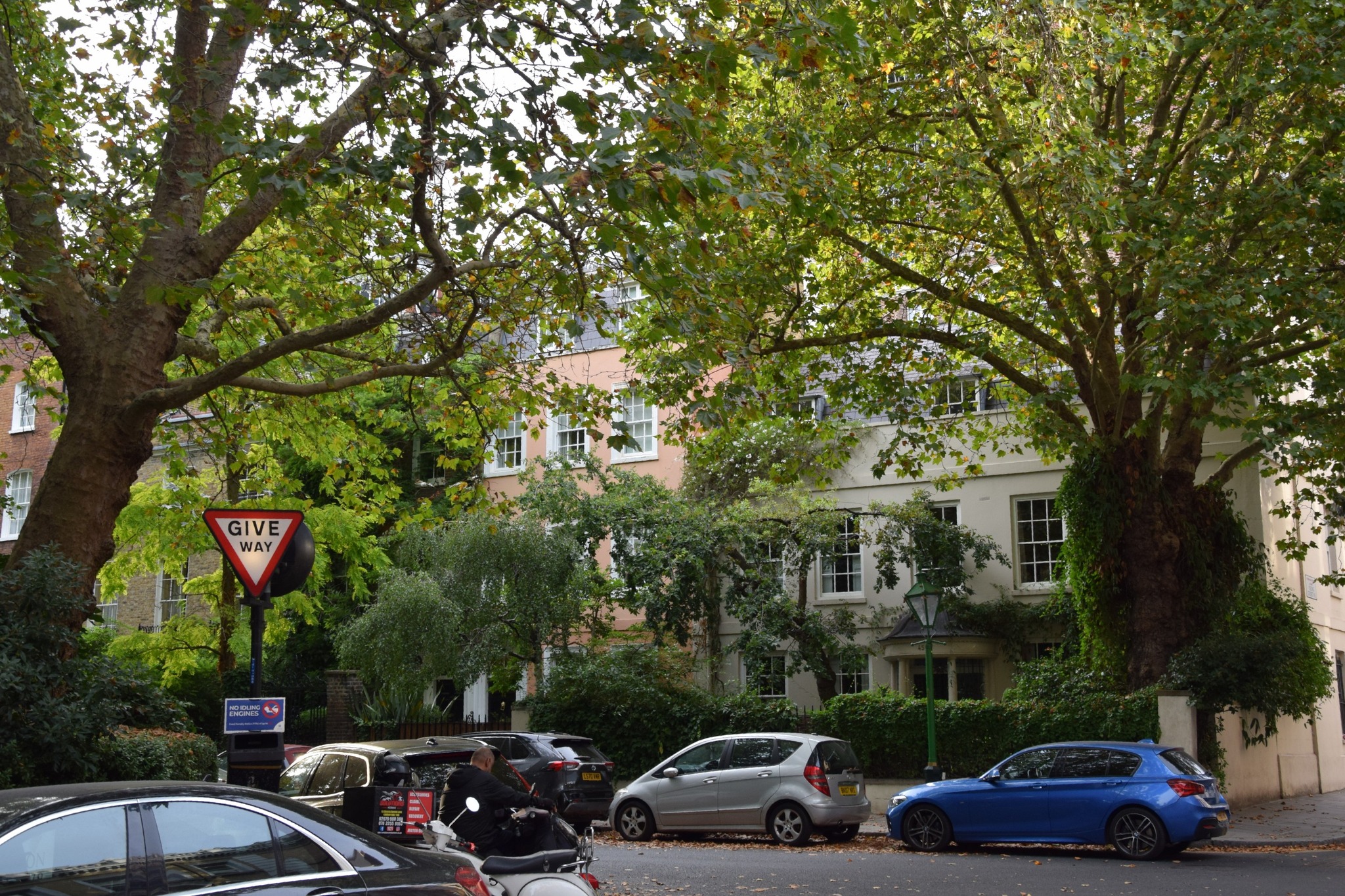
In the second half of the nineteenth century, London saw the first academic institutions open their doors to women. One of the most important was the Ladies’ Department of King’s College London, which was established in 1885 at 13 Kensington Square. It provided women the opportunity to study subjects that had long been reserved almost entirely for men.
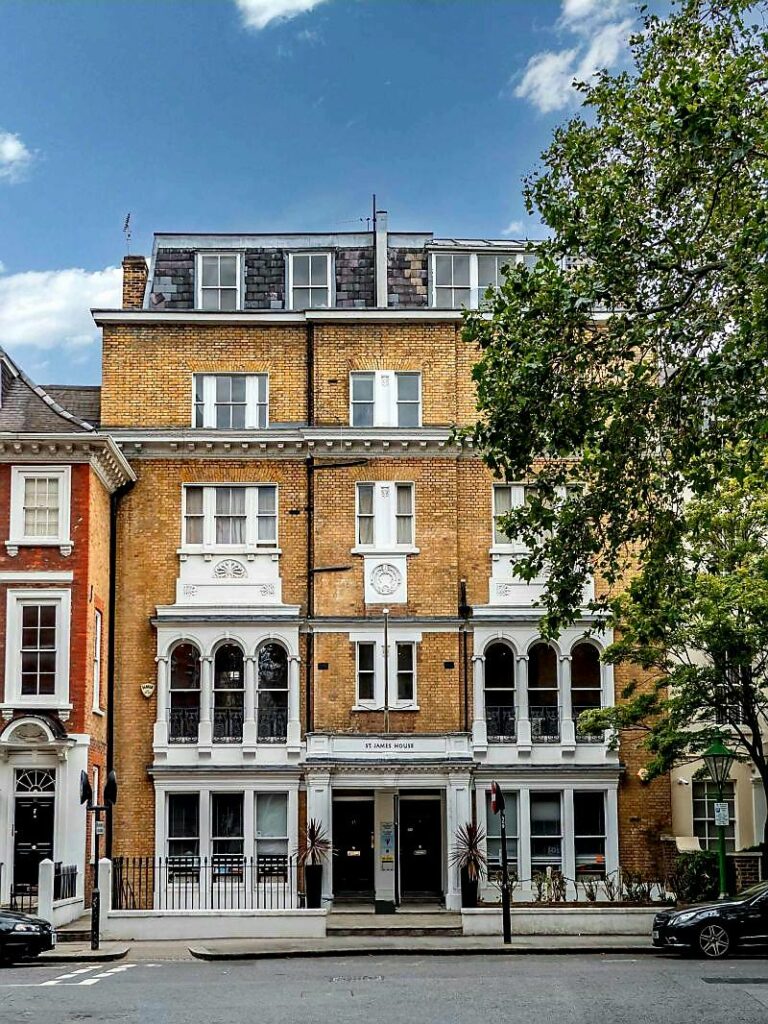
Inside this townhouse, students attended lectures in history, literature, classical and modern languages, philosophy, and the sciences. The Department had academic standing while retaining an intimate character, with many lessons conducted in small groups. From the 1890s, Lilian Faithfull, a teacher and social reformer, played a leading role in advancing women’s education. Among the tutors were outstanding classicists such as Clara Pater and Janet Case, both of whom strongly influenced the intellectual growth of future writers and artists.
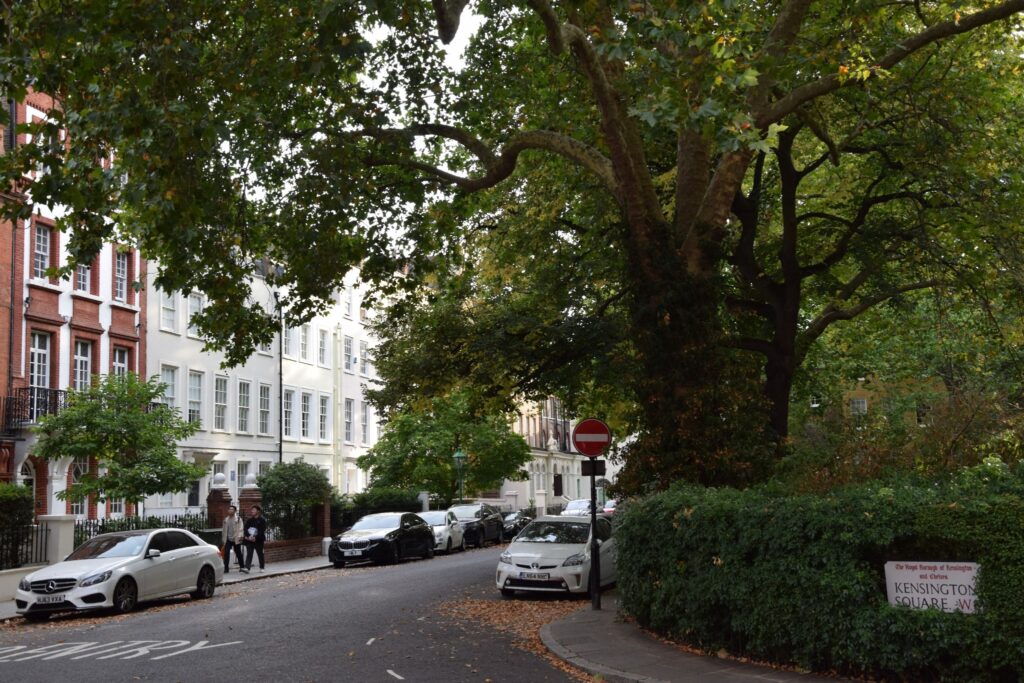
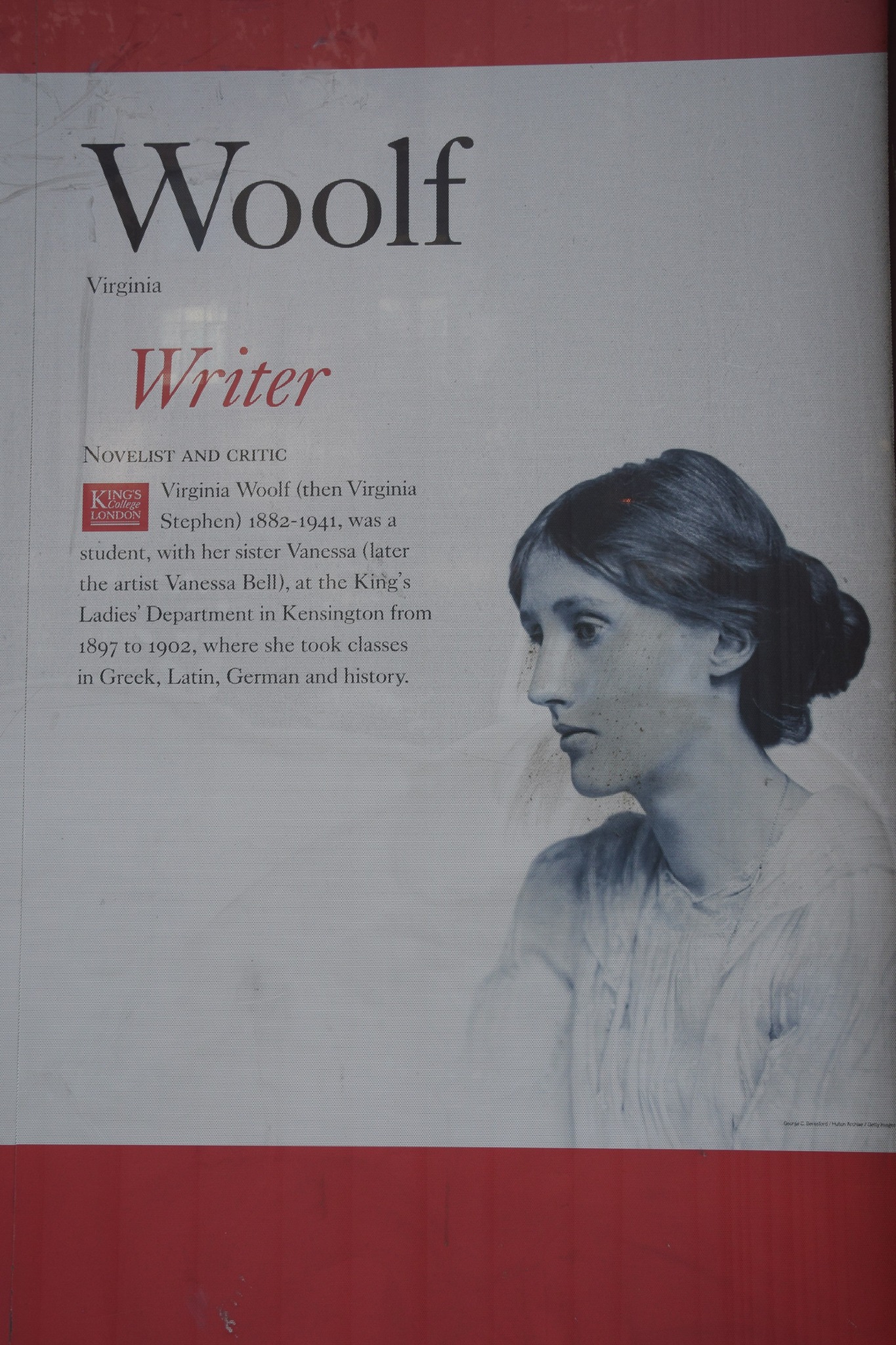
It was here, between 1897 and 1902, that Virginia Stephen – later known as Virginia Woolf – studied history, Greek, Latin and German. She also took private Greek lessons with Janet Case. Her elder sister, the painter Vanessa Stephen (later Vanessa Bell), also studied at the Department. For both sisters, Kensington Square offered their first taste of academic life. Though limited by the restrictions placed on women at the time, the experience encouraged their later self-education and creativity.
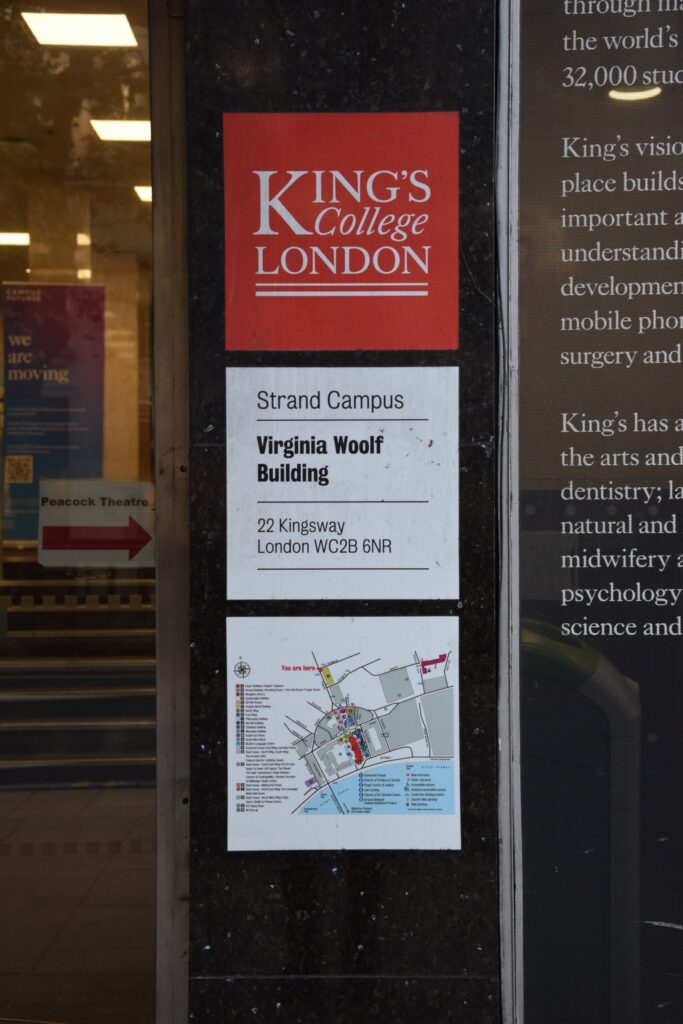
Today, the building at 13 Kensington Square is called St James’ House and serves as office space. It remains an important landmark in the history of women’s education in Britain. Virginia Woolf is remembered at King’s College London, where she is named among its distinguished former students, and one of the university buildings now carries her name (22 Kingsway, London).
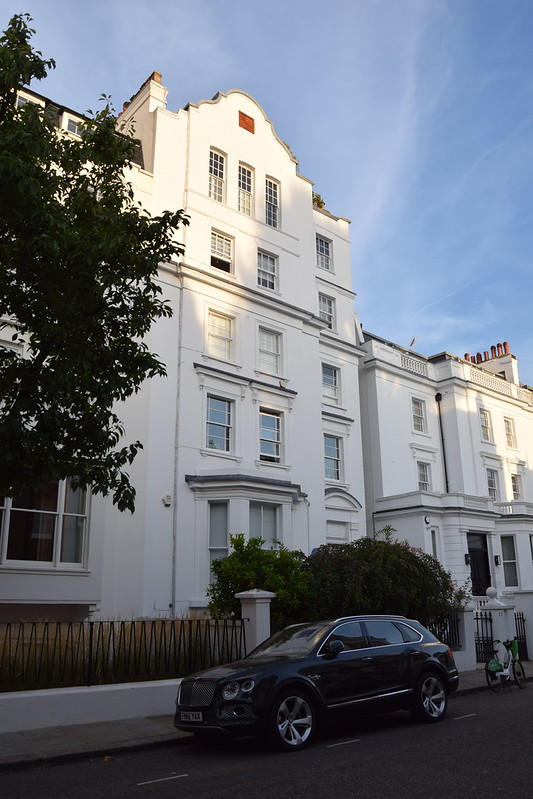
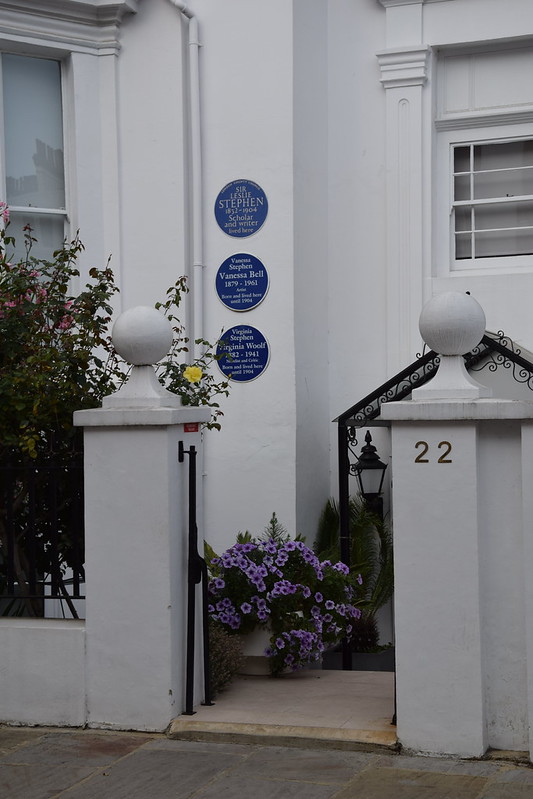
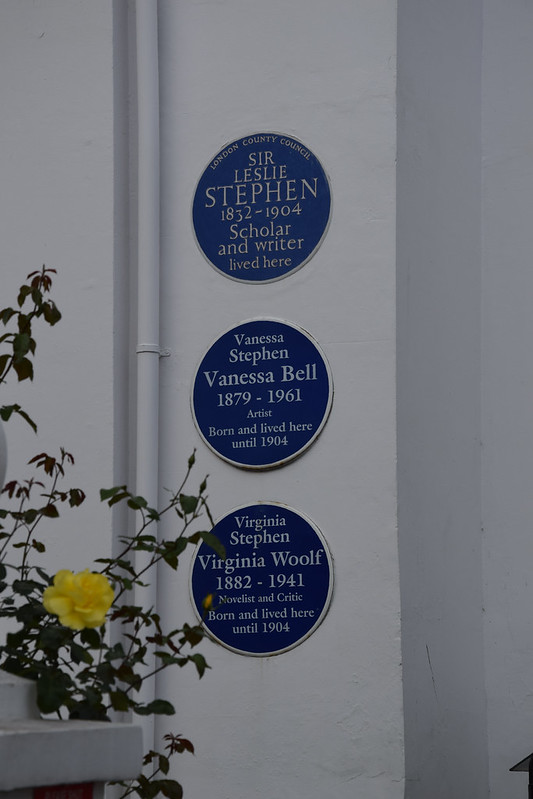
All photographs by the author.
If you’d like to continue this literary walk, the second part of the guide explores further London locations connected to Virginia Woolf’s life and writing.
If you find my work valuable, you can support it here:
