
A ghostly journey toward redemption
A Christmas Carol by Charles Dickens is among the most influential Christmas stories in English literature, combining social criticism with a tale of moral transformation. The novella tells the story of Ebenezer Scrooge, a miserly old man visited on Christmas Eve by the ghost of his former partner and three spirits – Past, Present, and Yet to Come – who guide him toward compassion and generosity.
Bah, said Scrooge, Humbug.
Charles Dickens, A Christmas Carol
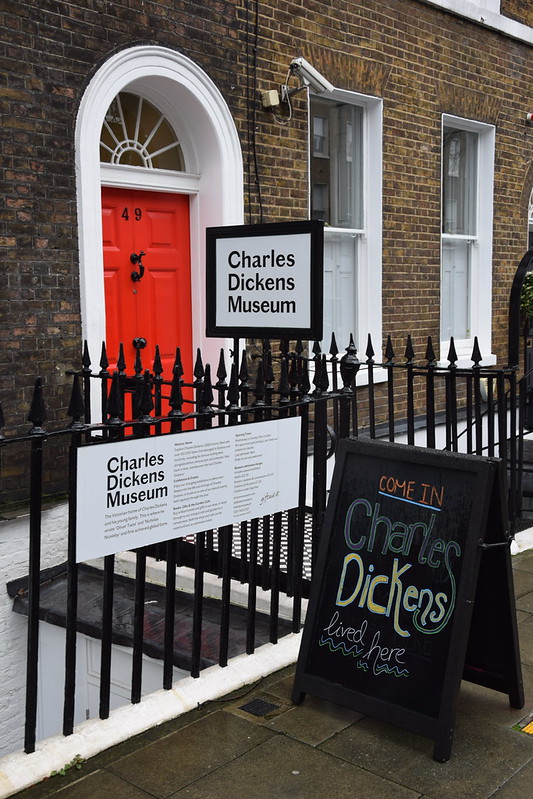
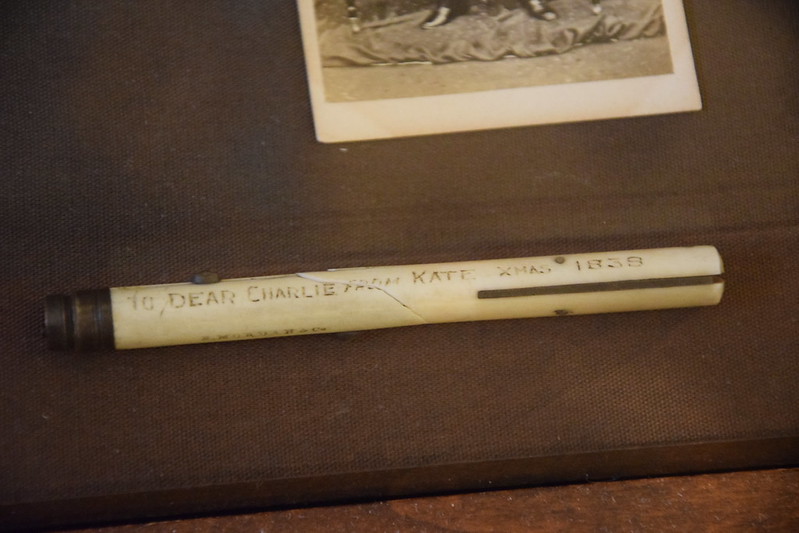
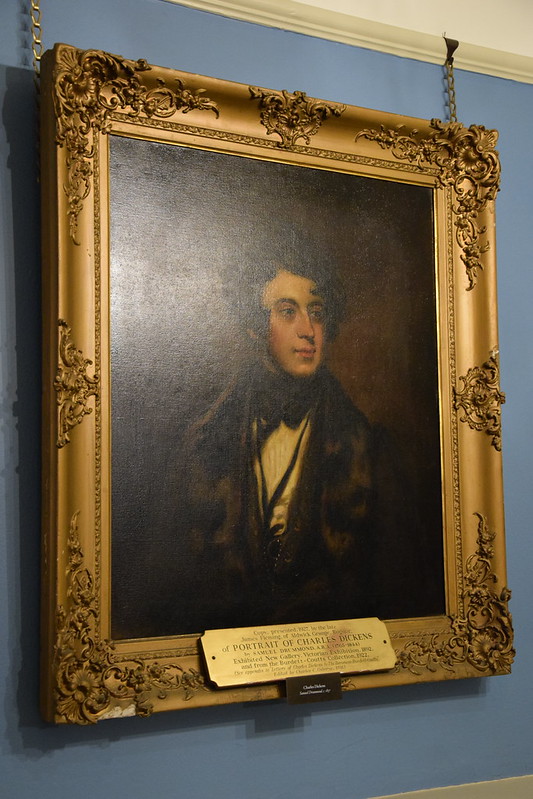
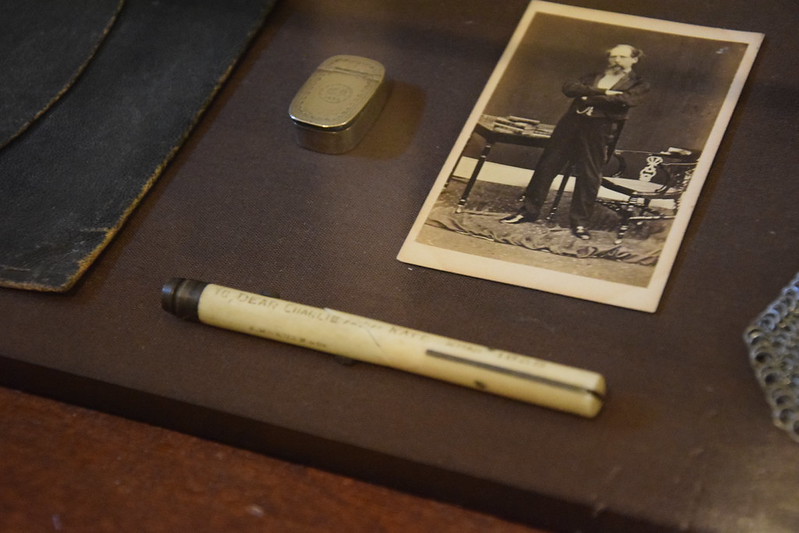
Charles Dickens Museum in London
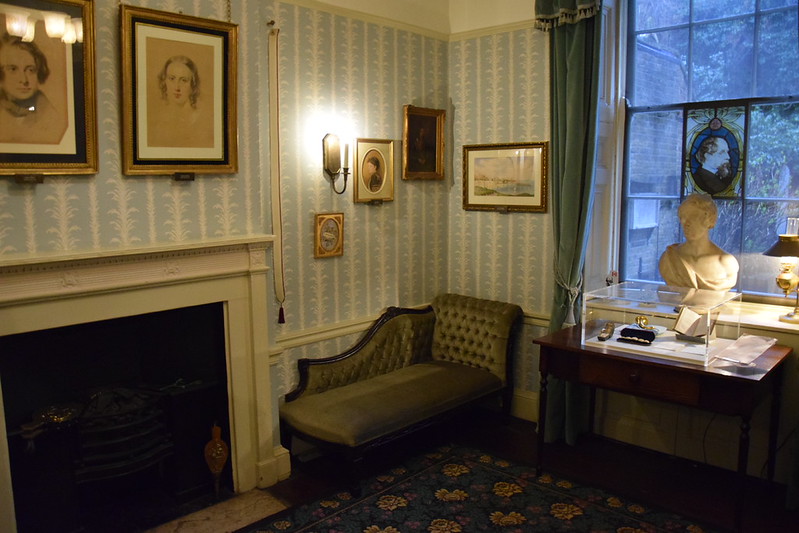
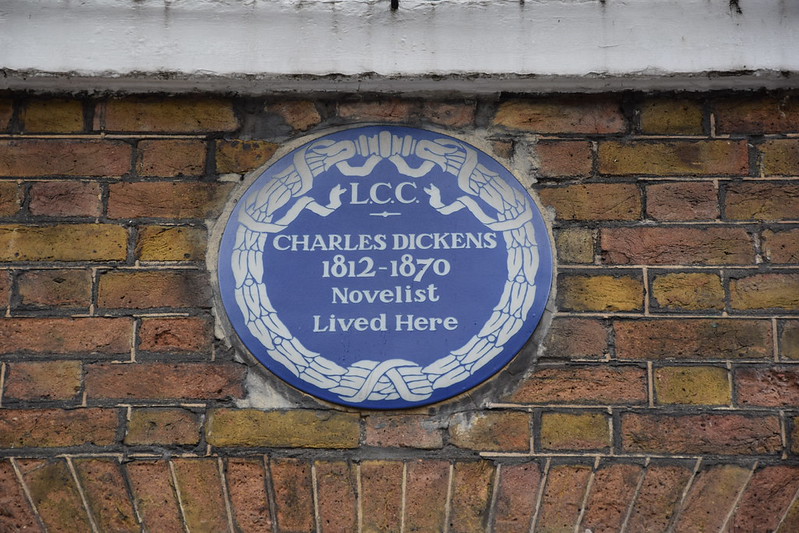
One of the most important places on London’s literary map is the Charles Dickens Museum, located at 48 Doughty Street. This was the home of Charles Dickens from 1837 to 1839, at the very beginning of his extraordinary literary career. While living here, Dickens worked on novels such as ‘Oliver Twist’ and ‘Nicholas Nickleby’.
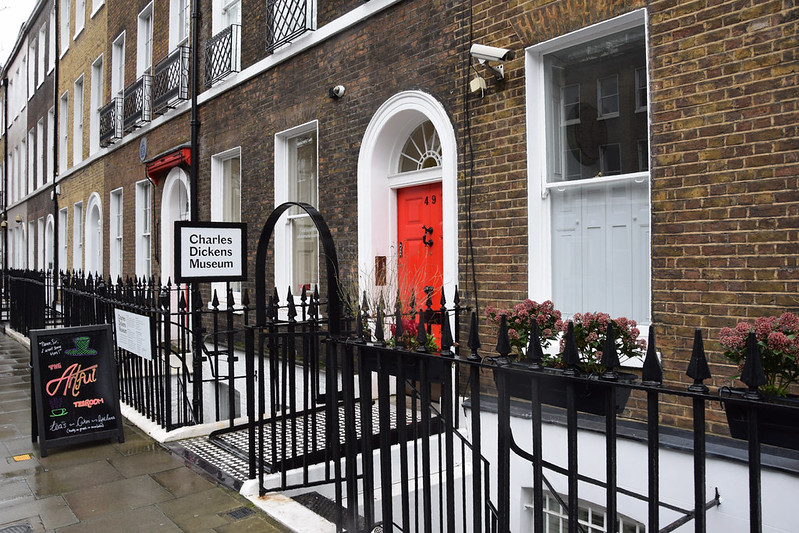
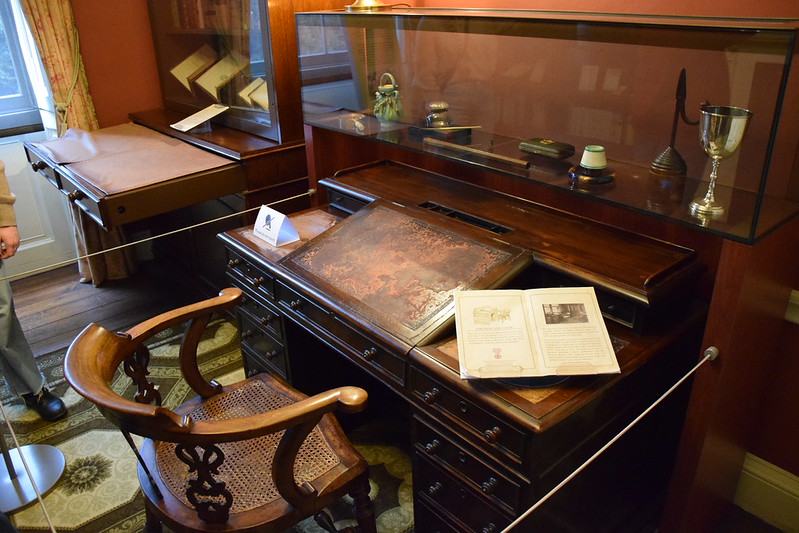
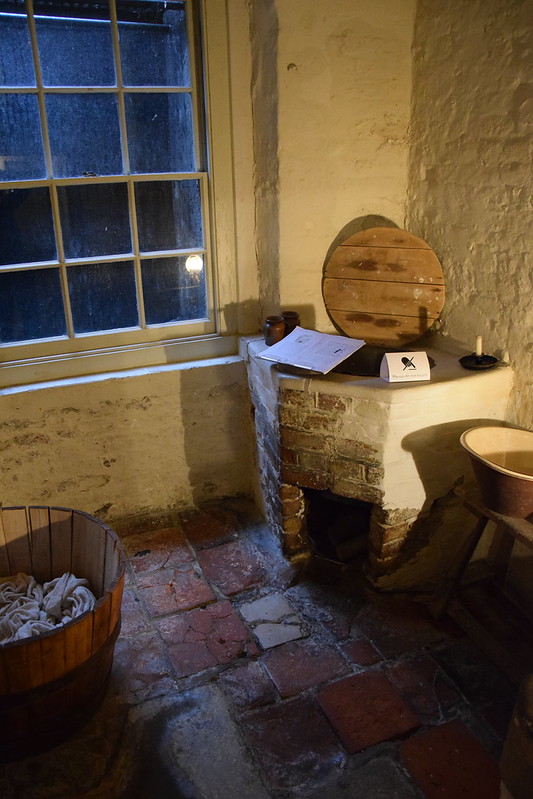
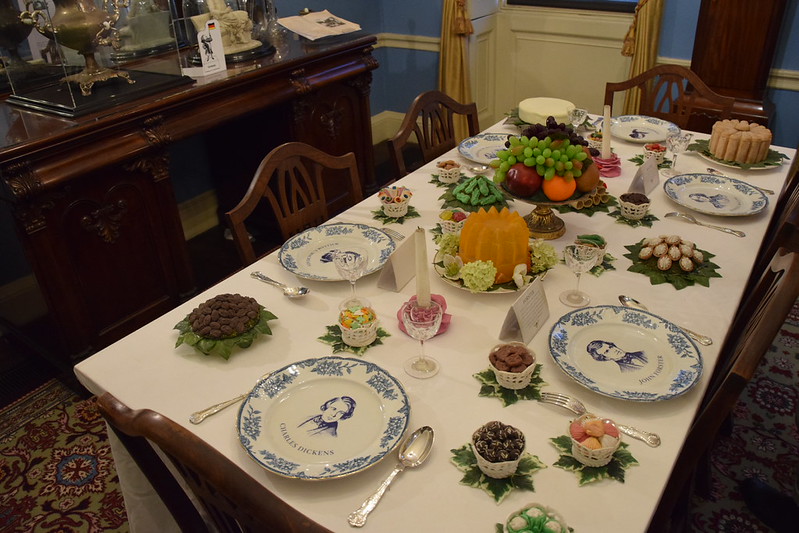
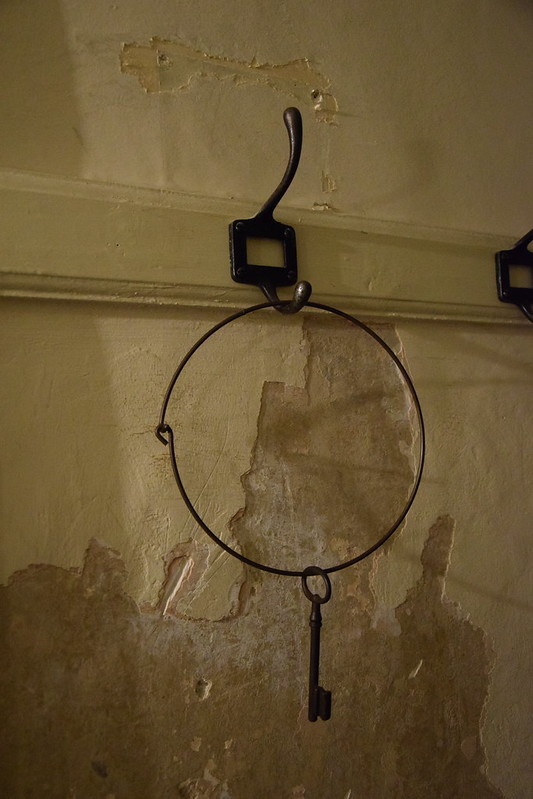
Today, the museum allows visitors to step into Dickens’s private world. Its preserved rooms reveal his study, personal possessions, and the atmosphere of the Victorian era, offering a vivid sense of how the writer lived and worked.
A Christmas Eve that changes everything
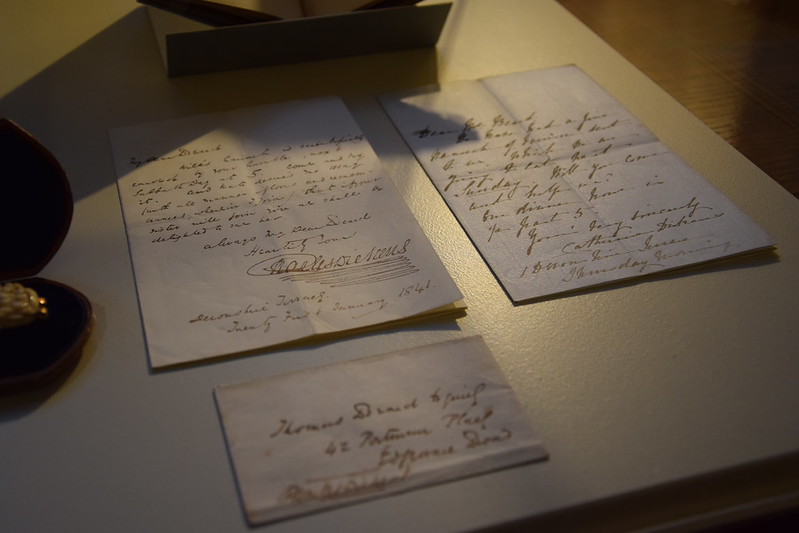
However, when Dickens wrote his most famous Christmas story, ‘A Christmas Carol’, he no longer lived at Doughty Street. In 1843, his home was 1 Devonshire Terrace, near Regent’s Park. It was here that ‘A Christmas Carol’ was written – astonishingly, in just a few weeks and with intense emotional energy.
Dickens was deeply affected by the social problems of London at the time: the poverty of children, sharp class divisions, and the lack of compassion shown by the wealthy toward the poor. He believed that a powerful story could move people’s hearts more quickly and more deeply than political articles or essays. This belief gave rise to the unforgettable tale of Ebenezer Scrooge and his moral transformation.
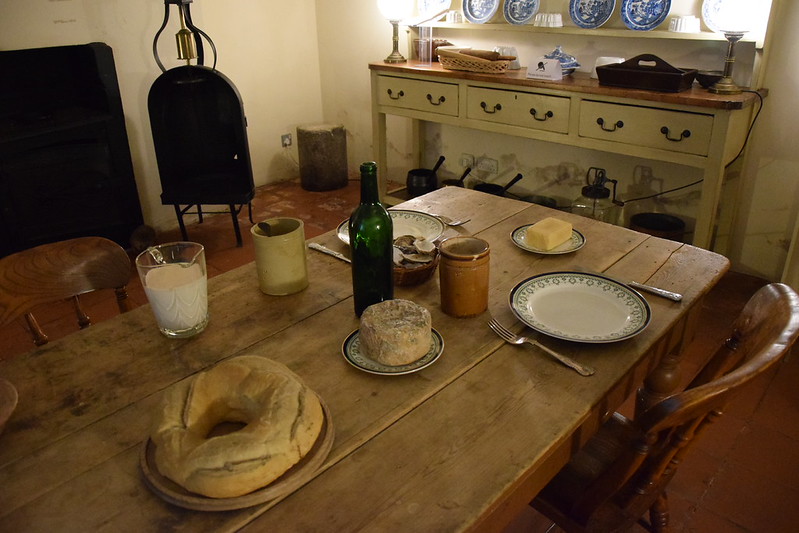
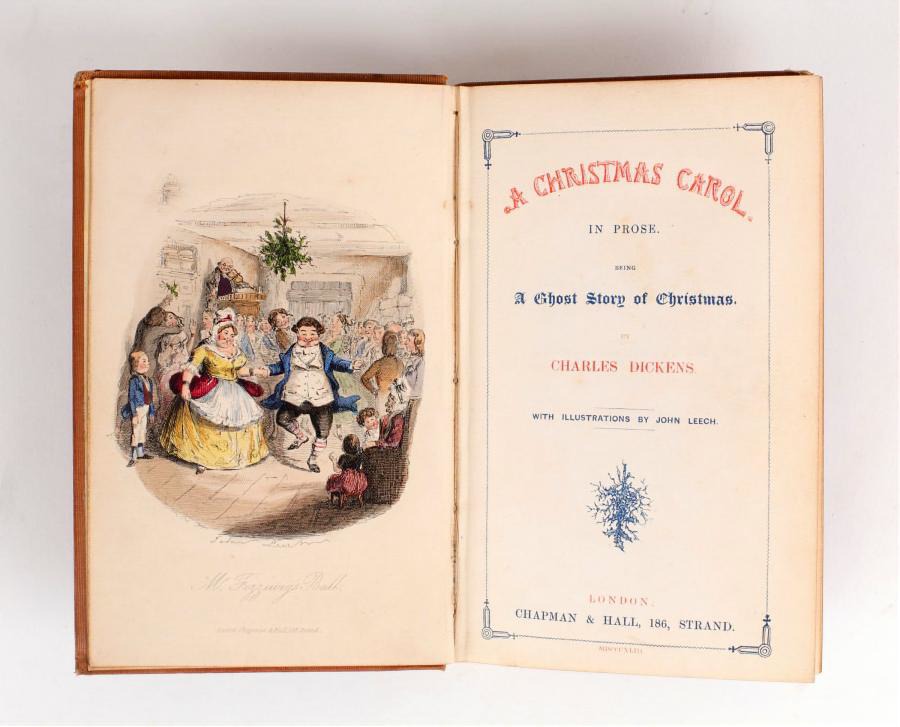
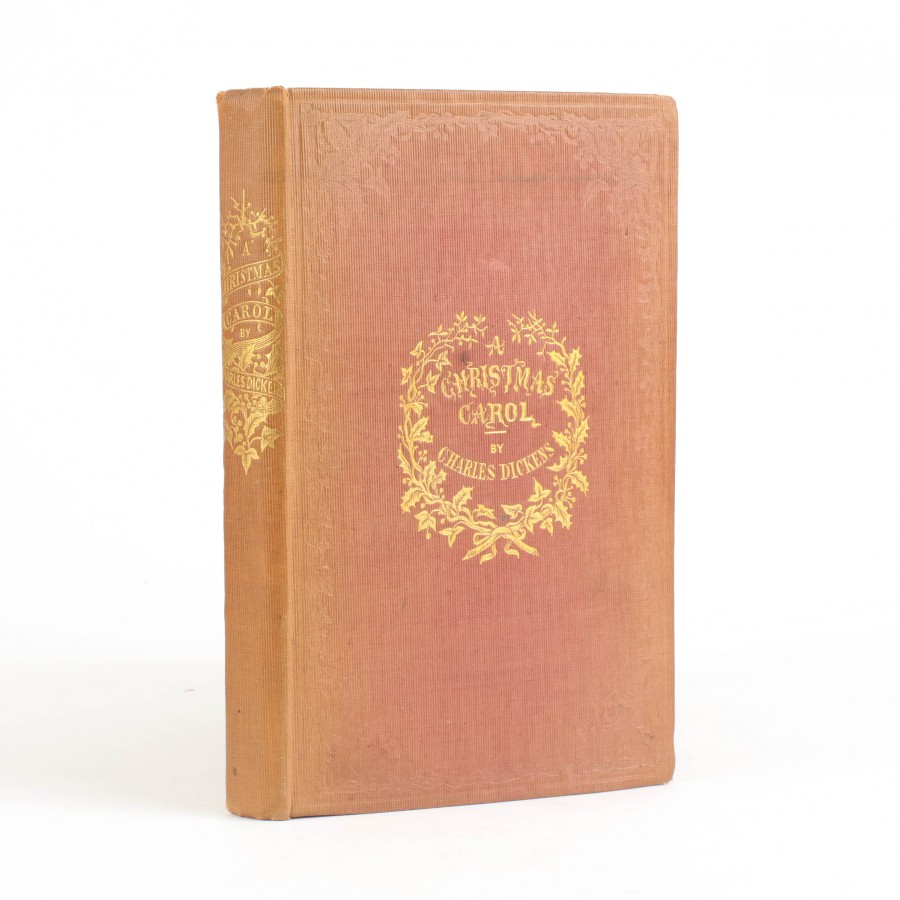
‘A Christmas Carol’ was first published on 19 December 1843, and its impact was immediate: the initial 6,000 copies sold out by Christmas Eve, an extraordinary success. Dickens’s publishers, Chapman and Hall, rushed to produce second and third printings before the New Year. The story quickly became a Christmas classic and has remained an essential part of the season ever since.
In 1864, the novelist William Makepeace Thackeray praised the book, calling it:
a national benefit to every man or woman who reads it, a personal kindness.
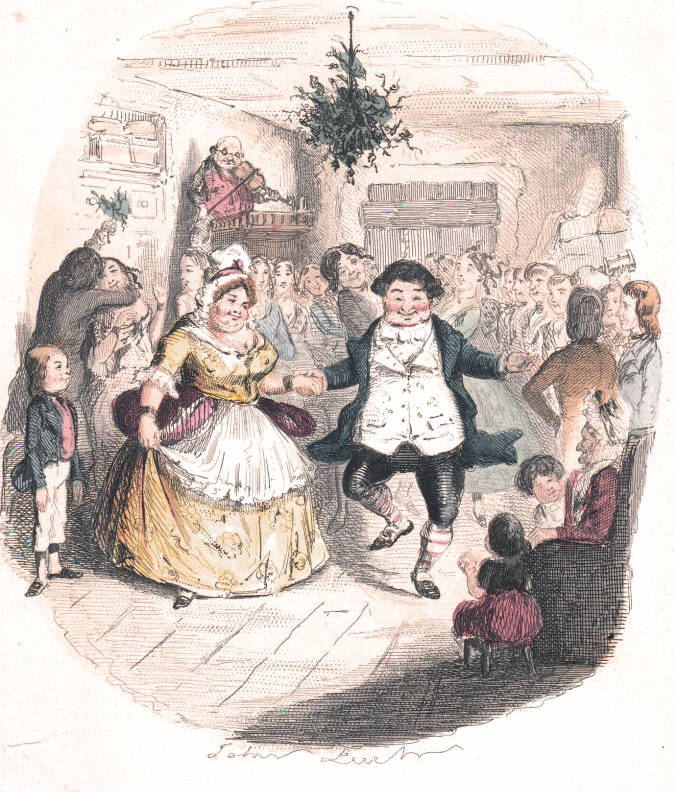
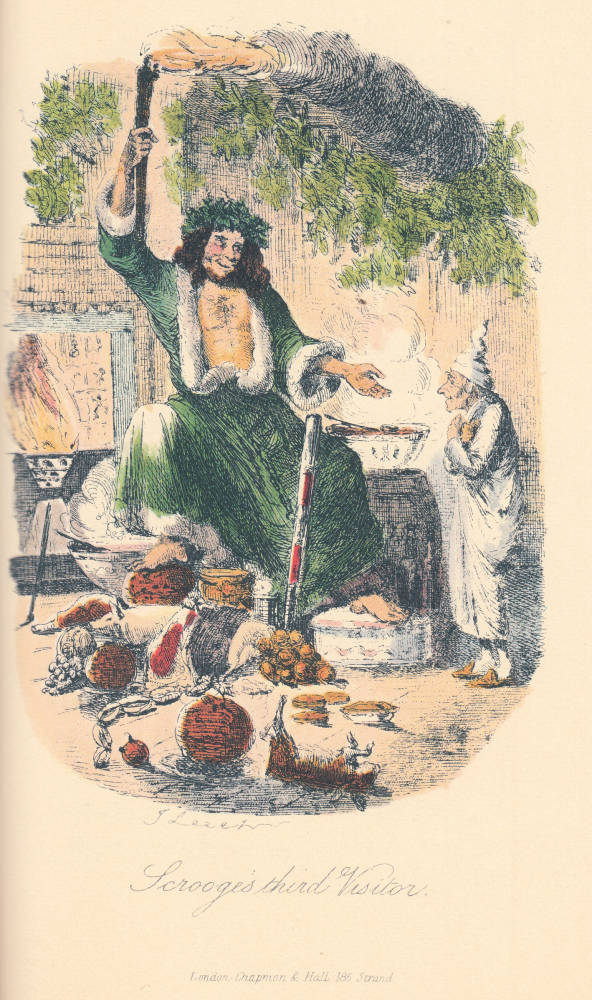
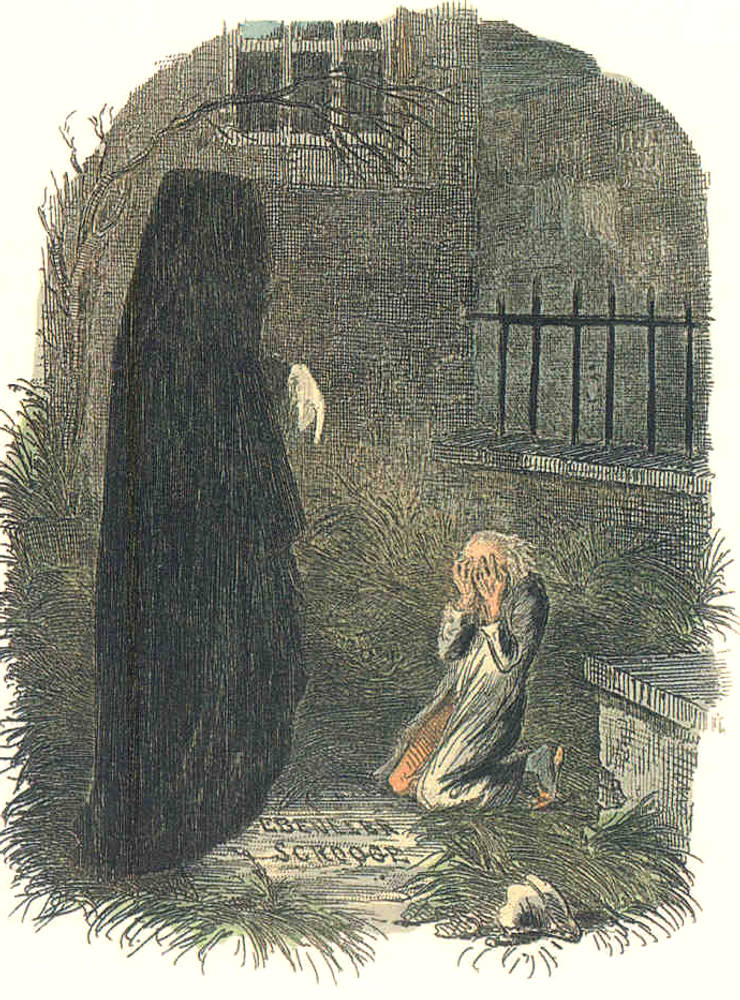
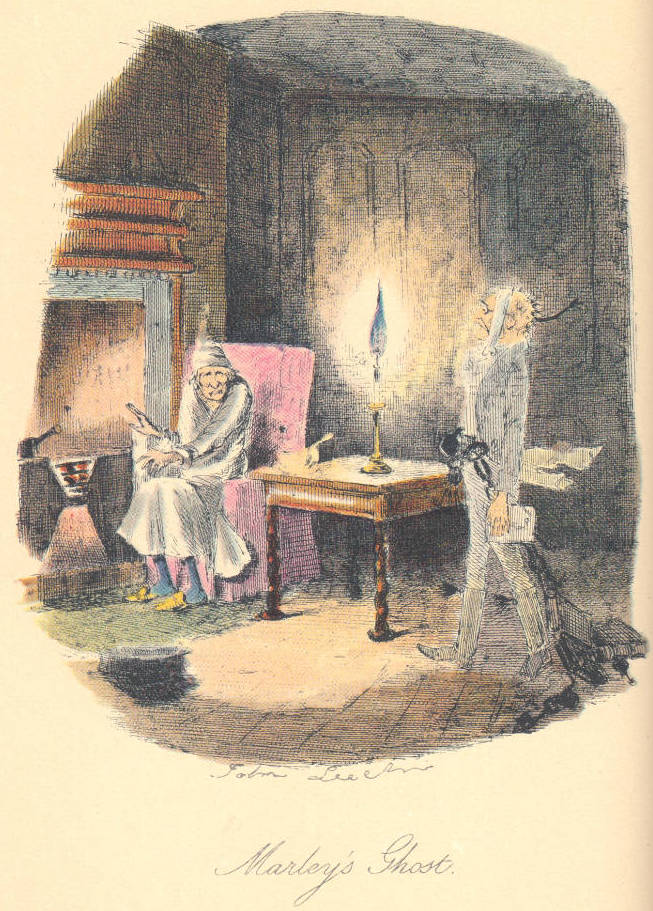
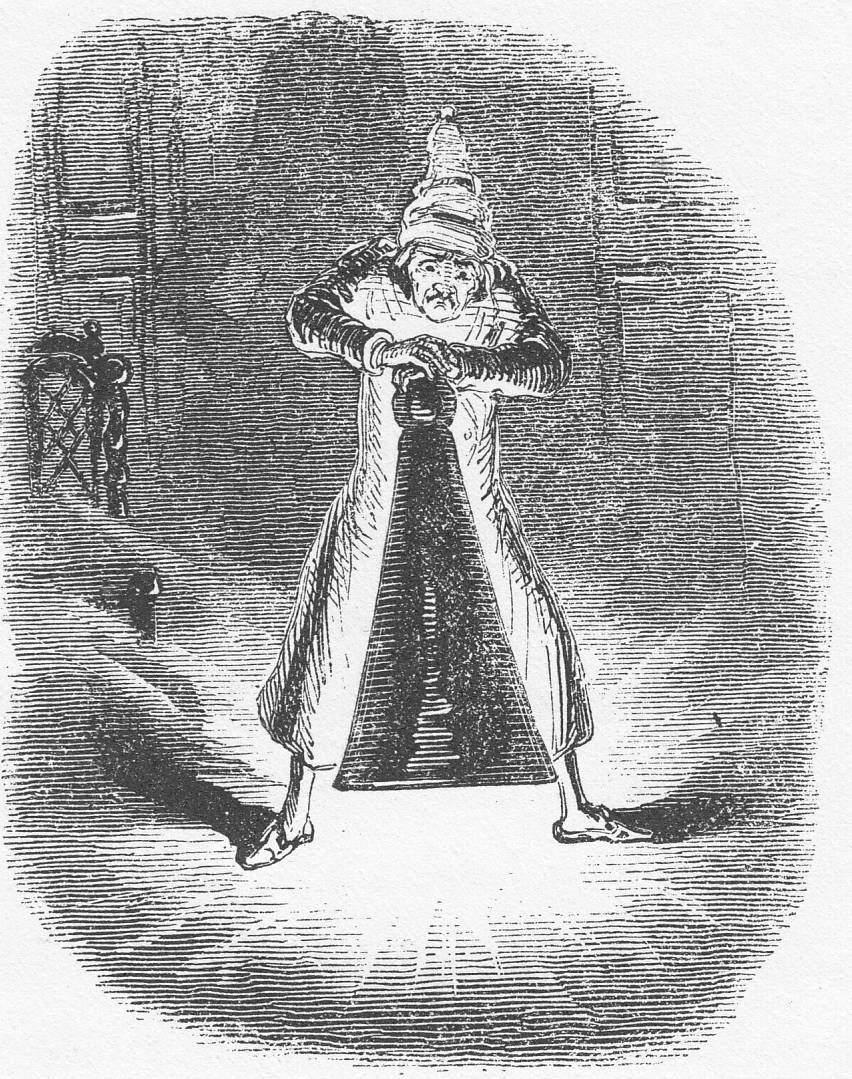
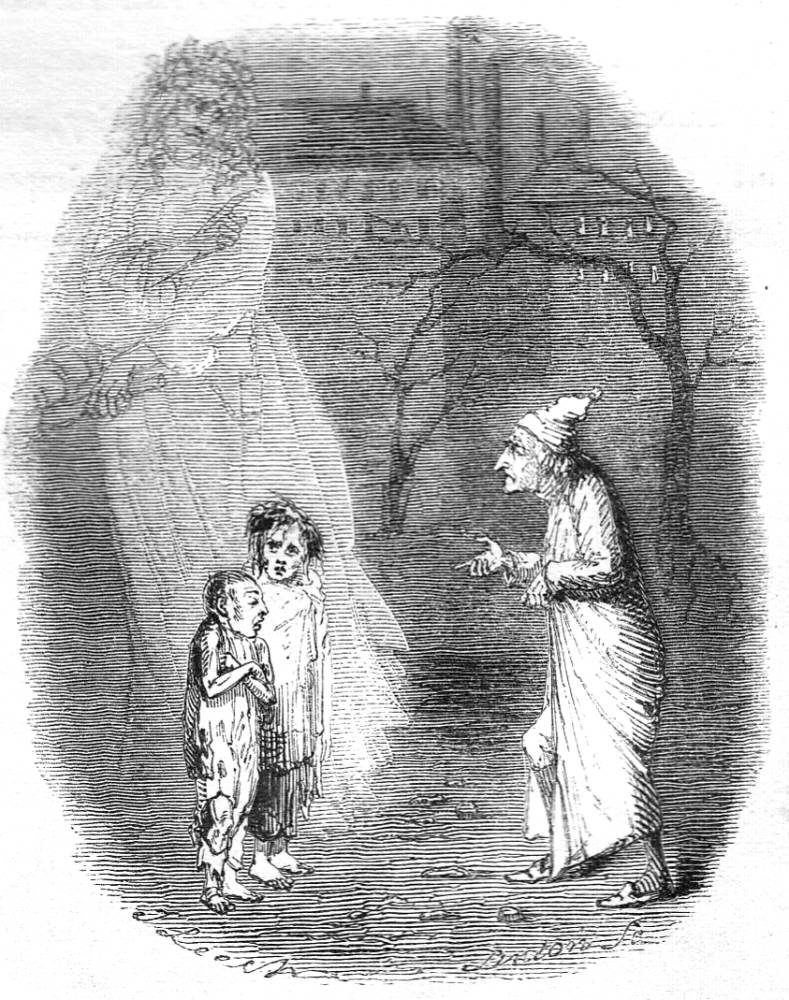
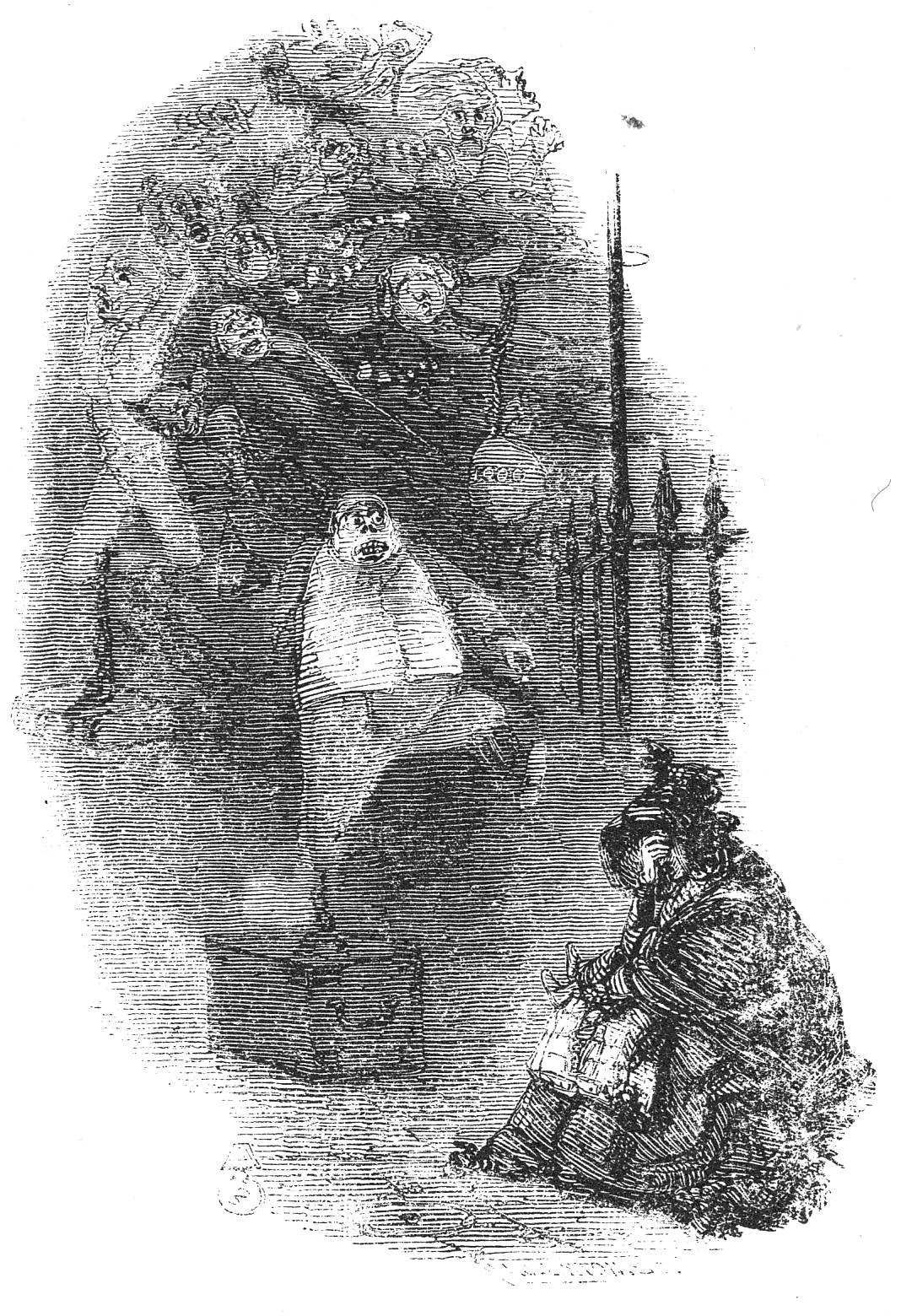
The illustrations associated with the original 1843 edition, created by John Leech, depict how Victorian readers first encountered the story, helping to shape the visual imagination of ‘A Christmas Carol’ that still influences how we picture it today.
I will honour Christmas in my heart, and try to keep it all the year. I will live in the Past, the Present, and the Future. The Spirits of all Three shall strive within me. I will not shut out the lessons that they teach.
Charles Dickens, A Christmas Carol
To fully appreciate the story behind A Christmas Carol, visit the Charles Dickens Museum and uncover the origins of Dickens’s timeless Christmas tale – and much more.
If you find my work valuable, you can support it here:
