
Thackeray’s Home on Young Street
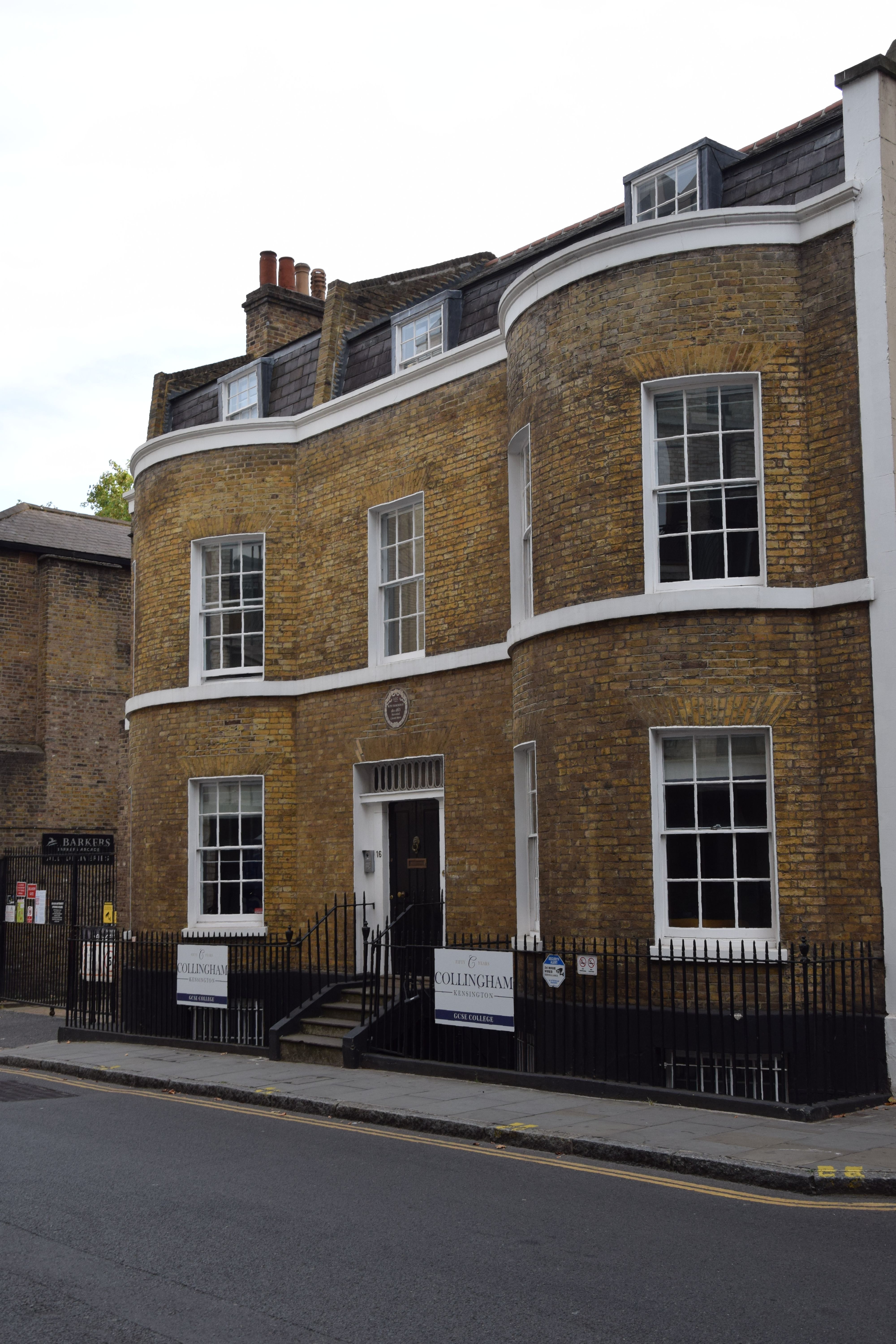
Walking along Young Street in Kensington, London, it is easy to miss the modest house at number 16. Somewhat overshadowed by the neighbouring tower blocks, it may escape the notice of passers-by who are unaware that, in the middle of the nineteenth century, it was an important place on London’s literary map.
This house, formerly numbered 13, was the home of William Makepeace Thackeray from 1846 to 1854. He was one of the most important English novelists of the Victorian period, known for his satire and realistic portrayal of society.
It was here that he wrote his most famous work, the novel Vanity Fair, which brought him fame and secured his place in literary history. He also wrote The History of Pendennis and The History of Henry Esmond while living on Young Street.
The building itself is unusual and fascinating. This detached yellow-brick house dates from around 1815, when Kensington was still a semi-rural area on the edge of London. Thackeray paid £65 a year to rent it. Its distinctive semi-circular bay windows reminded him of a medieval feudal castle. He joked:
I’ll have a flagstaff put over the coping of the wall, and I’ll hoist a standard up when I’m at home.
This remark reflects the writer’s sense of humour and his affection for a place that, for several years, was not only a family home but also an important literary workplace.
Charlotte Brontë Comes to London
On 12 June 1850, the house became the setting for a meeting that later entered the folklore of literary London. That evening, many of the leading intellectual figures of the day gathered at Thackeray’s home to meet the woman whose name was on everyone’s lips across England: Charlotte Brontë, the author of Jane Eyre, who had only recently revealed herself as the person behind the pen name Currer Bell. Her presence made the dinner at Thackeray’s house one of the most eagerly anticipated events of London’s literary season.
Charlotte Brontë was a great admirer of William Makepeace Thackeray. She dedicated the second edition of Jane Eyre to him, even though the two had never met in person.
The Literary Dinner of 1850
The evening, however, went down in history as one of the most awkward literary gatherings of the nineteenth century. London’s intellectual elite had expected a brilliant exchange of ideas, but the conversation struggled to gain momentum and was often interrupted by uncomfortable silences. Although Charlotte was already famous as the author of Jane Eyre, she was also an extremely shy person who was unaccustomed to fashionable social life. The drawing rooms of London were a world very different from the one she knew.
According to later recollections, the host himself, apparently overwhelmed by the situation, slipped away from his own party and went to his club, leaving the guests to entertain themselves.
Rumours and Misunderstandings
It is also worth noting that Brontë’s dedication of Jane Eyre, intended as a sincere tribute to Thackeray, gave rise to a wave of literary gossip. Charlotte was unaware of an important detail: like Edward Rochester, the novel’s protagonist, Thackeray had a wife who suffered from a severe mental illness and lived away from the family home. As a result, many readers and commentators interpreted the dedication as a reference to his private life. Some even speculated that Rochester had been based on Thackeray himself, despite the fact that Charlotte had never met him before writing the novel and knew nothing of his domestic circumstances.
The rumours spread quickly, causing considerable embarrassment to both Charlotte and Thackeray. This misunderstanding added an extra layer of awkwardness to their later meeting in London.
All photographs by the author
Legacy of an Awkward Evening
In later years, accounts of the evening often exaggerated its discomfort. In reality, it was not a disaster but simply an encounter between two very different personalities: a witty and sociable figure of London literary society and the introverted daughter of a Yorkshire clergyman. They admired one another’s work, and both went on to secure an unquestioned place in literary history.
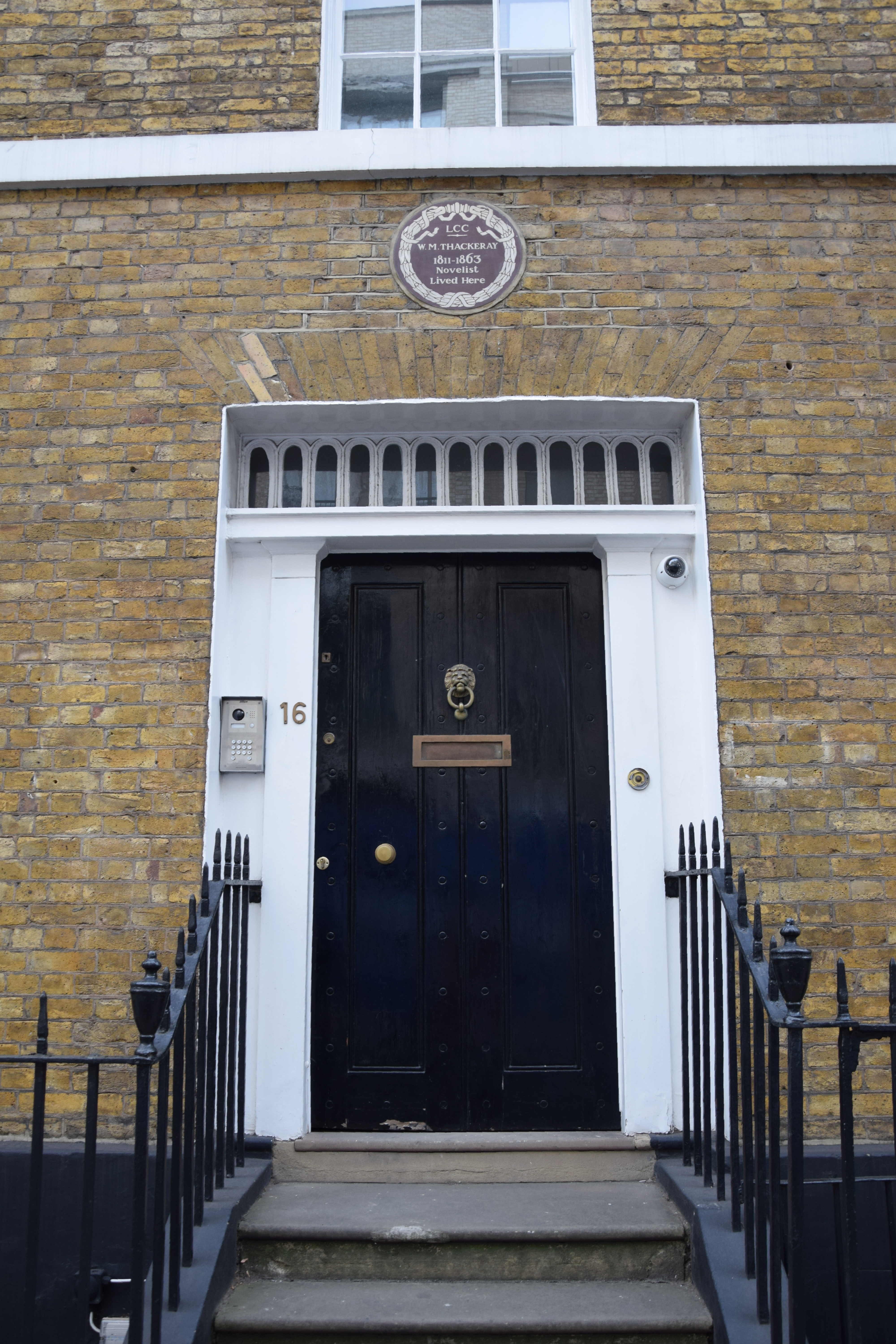
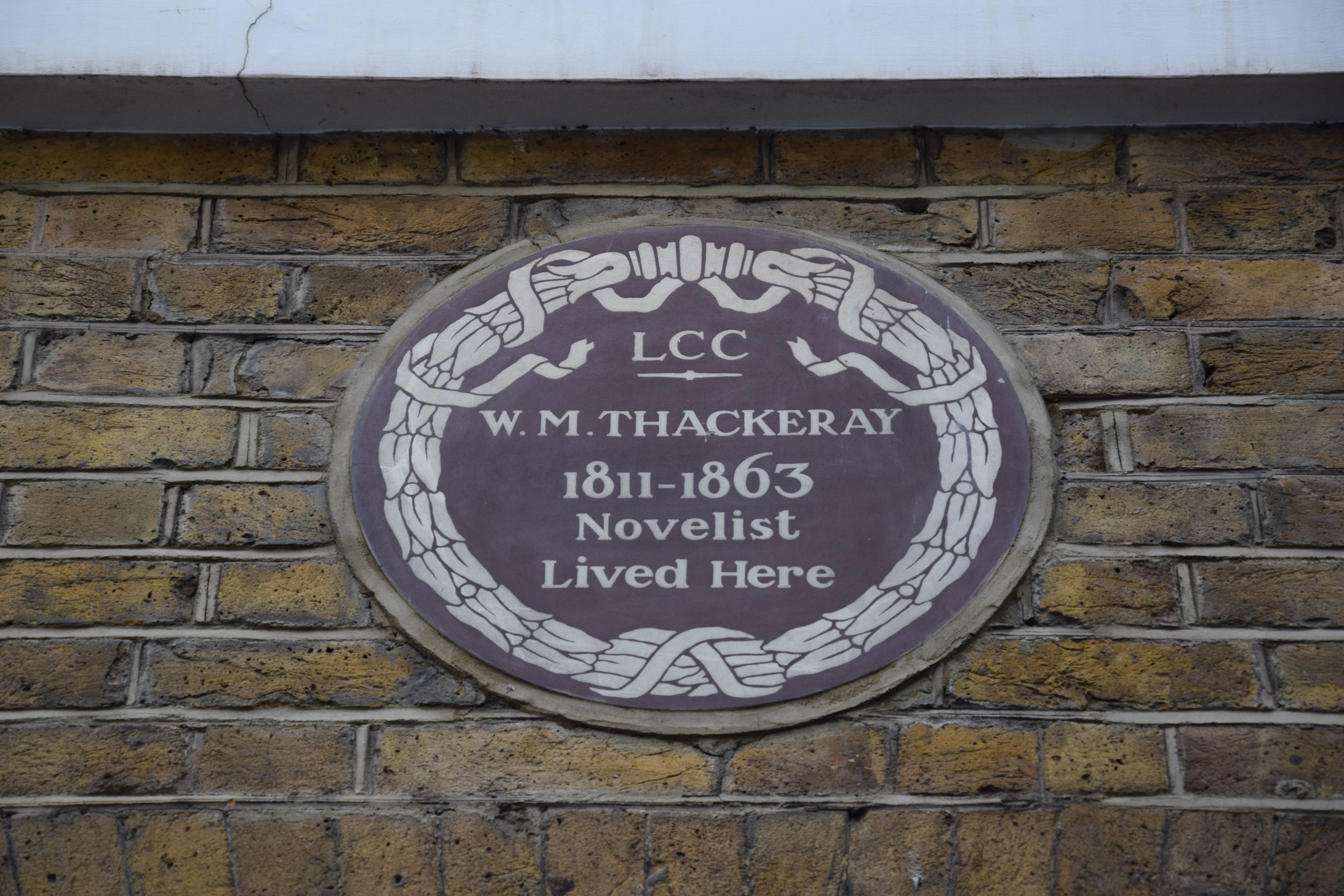
Today, a commemorative plaque above the entrance reminds visitors that this was once the home of Thackeray.
If you enjoyed this story, you may also like my article about the house of another great Victorian novelist: the Charles Dickens Museum in London.
If you find my work valuable, you can support it here:
