
Why January 6 became a literary tradition
The Epiphany, celebrated a few days ago, is, for me, a day naturally linked to James Joyce’s short story The Dead, as its action takes place on 6 January. The same date, however, also appears in a very different part of literary culture: as the traditional birthday of Sherlock Holmes, one of the most famous characters in world literature.

Did Arthur Conan Doyle ever state Holmes’s birth date?
The date of the detective’s birth was never clearly given by Arthur Conan Doyle. Even so, for many years, readers around the world have celebrated it on 6 January, treating this date almost as if it were part of the official canon. This shows not only the strength of the character but also the lasting power of literature and the involvement of its readers.
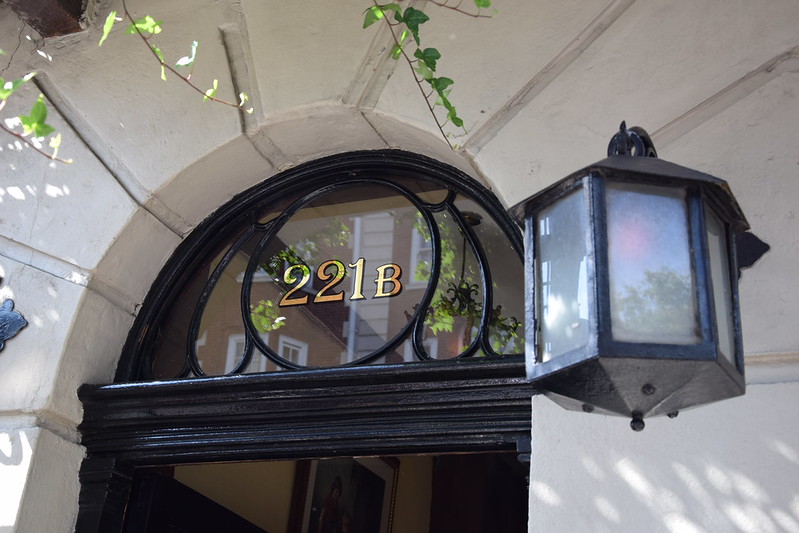
Canonical clues about Sherlock Holmes’s age
Any attempt to work out Holmes’s age must begin with the hints scattered through the canon. The only place where his age is stated directly in the short story His Last Bow. The War Service of Sherlock Holmes. In the scene where James Altamont visits Baron von Bork – before the true identity of the American agent working for Germany is revealed – the narrator describes him as
a tall, gaunt man of sixty, with clear-cut features.
Only at the end of the story does it become clear that this description refers to Sherlock Holmes. This makes it possible to fix his age in 1914 and, as a result, to place his year of birth around 1854.

Other works do not give Holmes’s age directly. Instead, they present him as a fully mature man with a strong reputation and long professional experience, which supports this calculation.
Why 6 January is celebrated as Holmes’s birthday
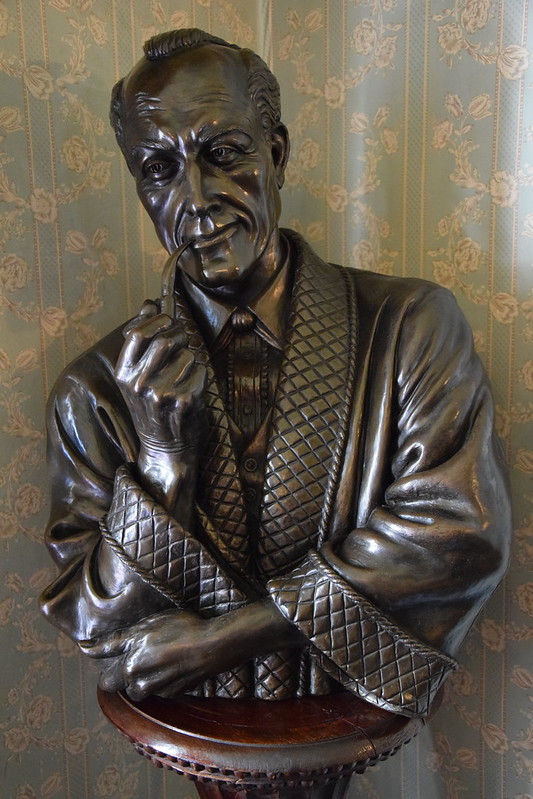
Doyle never gave the day or month of Holmes’s birth. This gap was filled by readers and scholars known as Sherlockians. They suggested 6 January as a symbolic date, based not on a direct statement in the text but on interpretation. This date falls on Epiphany, the feast of revelation, when hidden truths are made known.
The idea of Epiphany fits Holmes particularly well. The detective repeatedly brings hidden facts into the open, finds meaning in confusing details, and allows reason to win over illusion. In this sense, 6 January is not a historical fact but a meaningful symbol – the ‘birth’ of a mind devoted to discovering the truth.
Over time, this interpretation became widely accepted and turned into a tradition. 6 January 1854 is now treated as an unofficial but widely recognised ‘fan canon’. It is a good example of how readers interact with a text: when the author leaves a gap, readers create a clear and meaningful explanation.
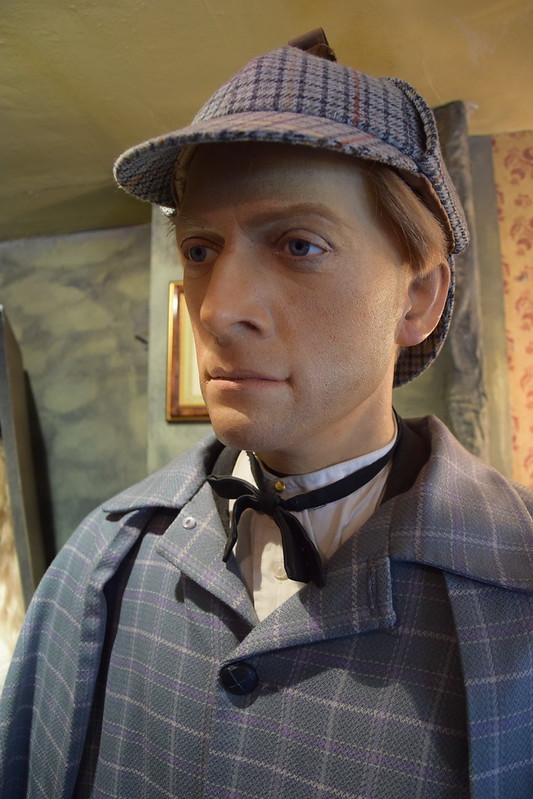
From fiction to cultural tradition
As a result, Sherlock Holmes, a fictional character, has gained an almost real biography, complete with a specific birth date that is still celebrated today. This shows that great literature does not end on the final page, but continues to live in reading, discussion and imagination.










If you find my work valuable, you can support it here:
