
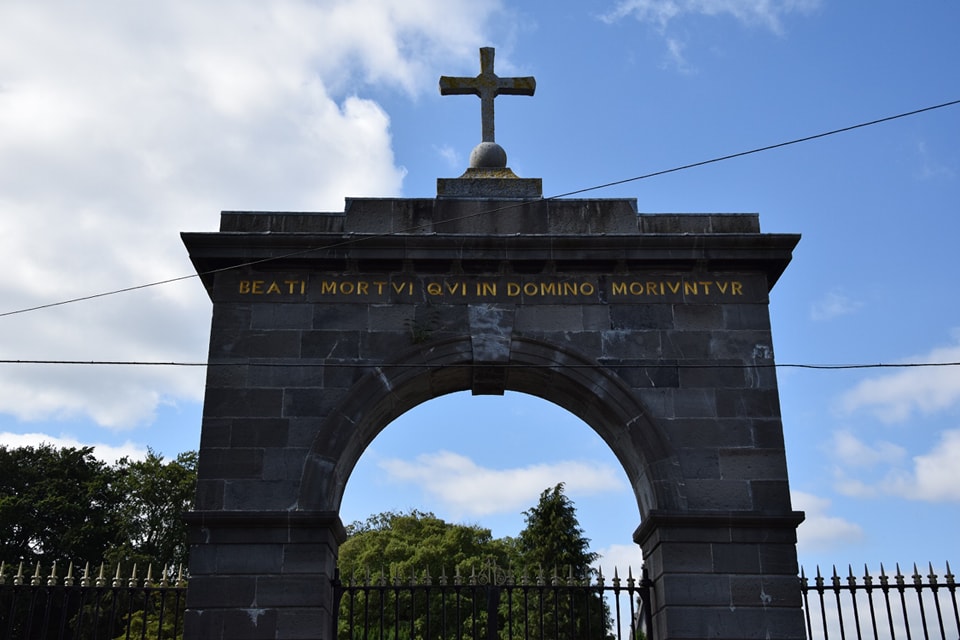
Glasnevin Cemetery – Dublin’s national necropolis
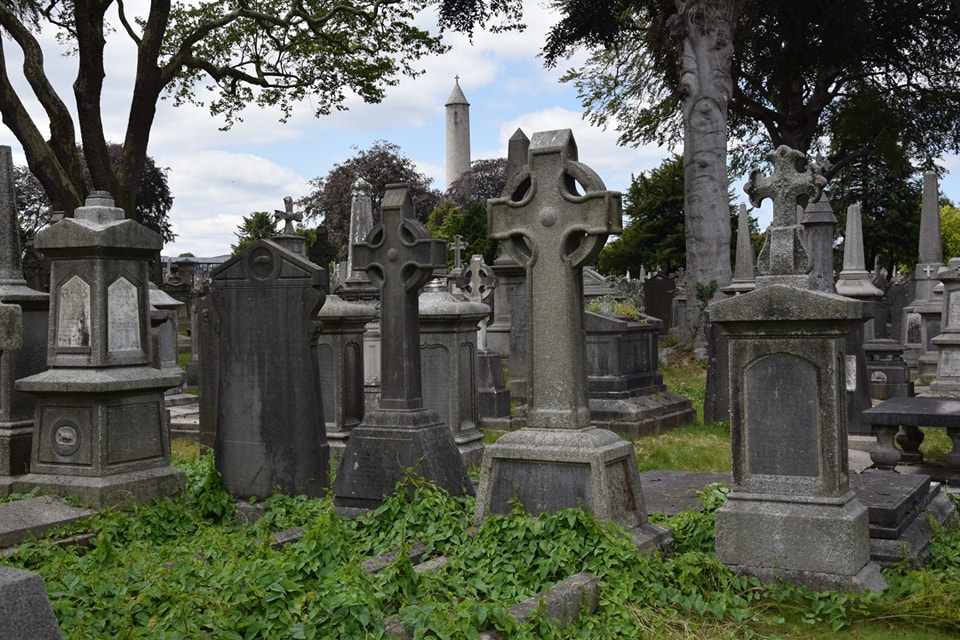
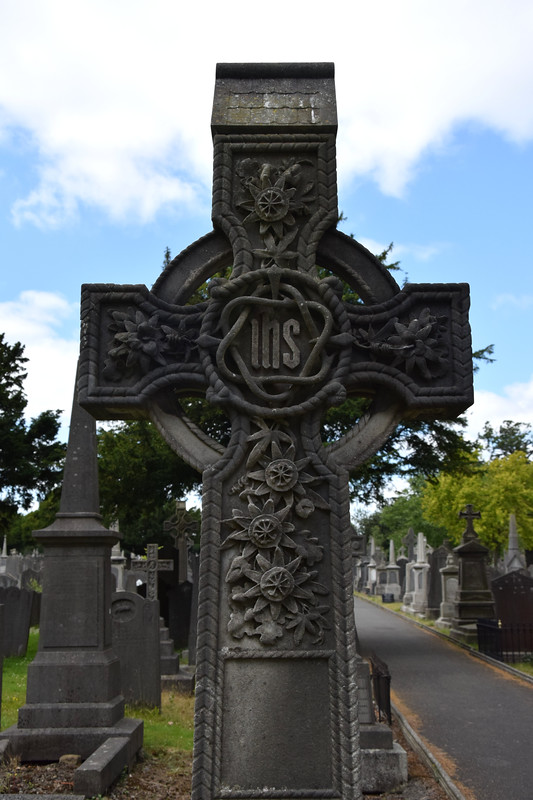
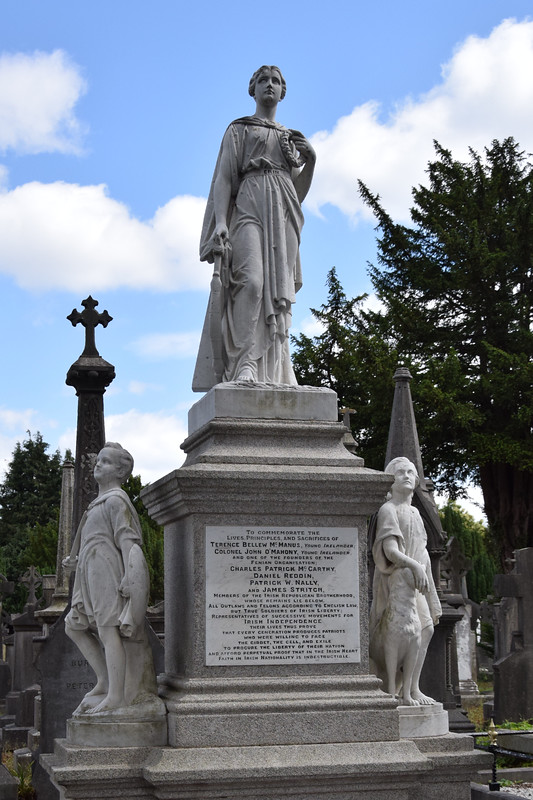
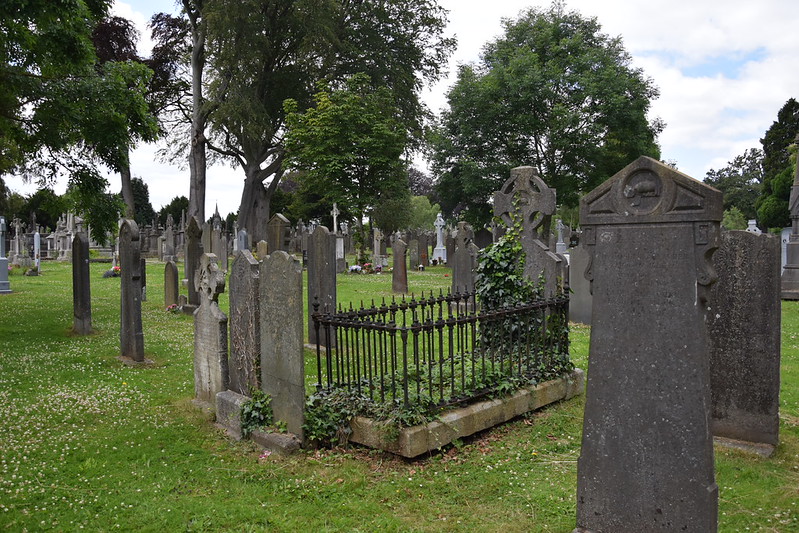
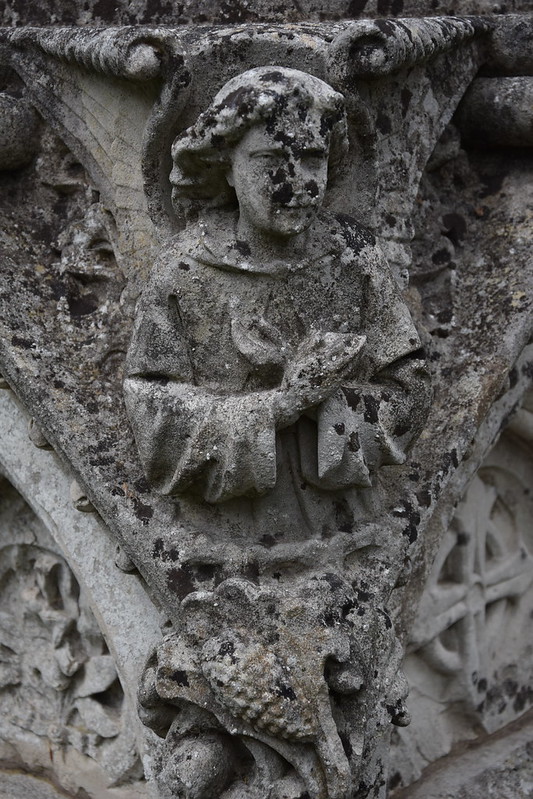
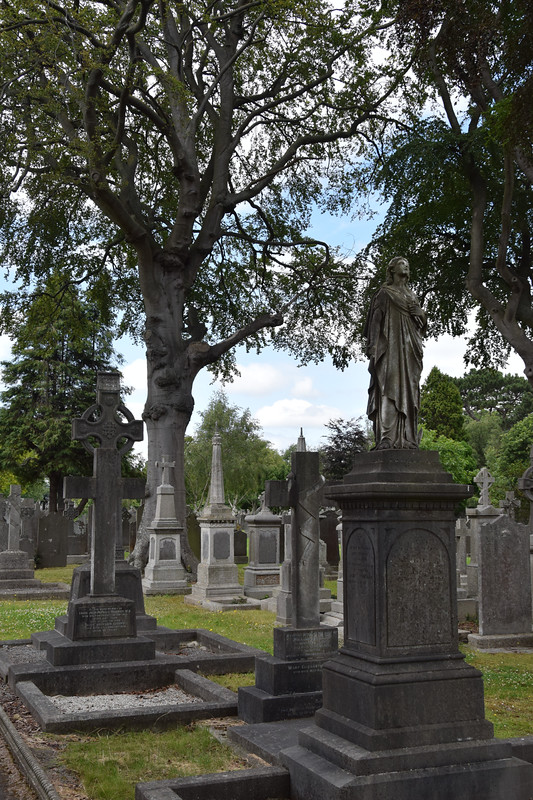
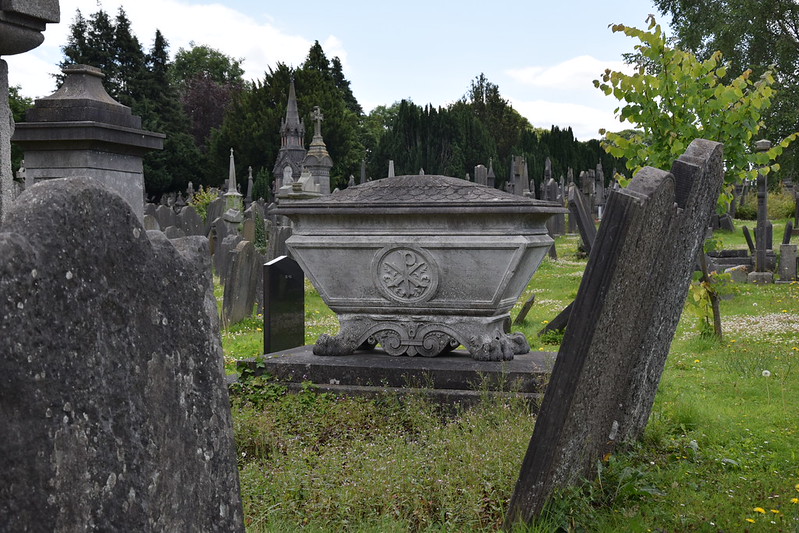
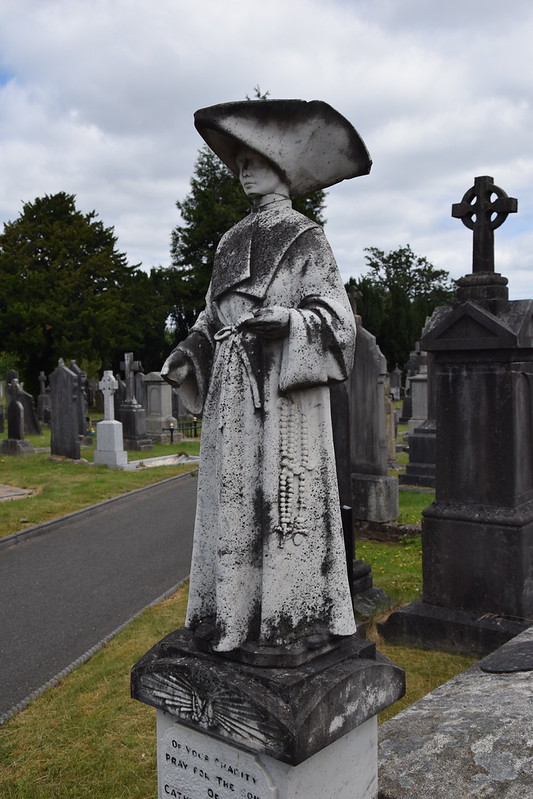
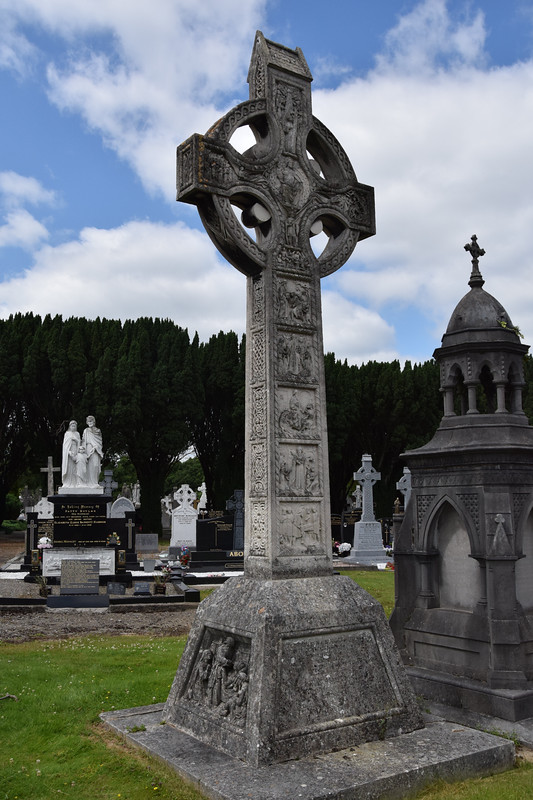
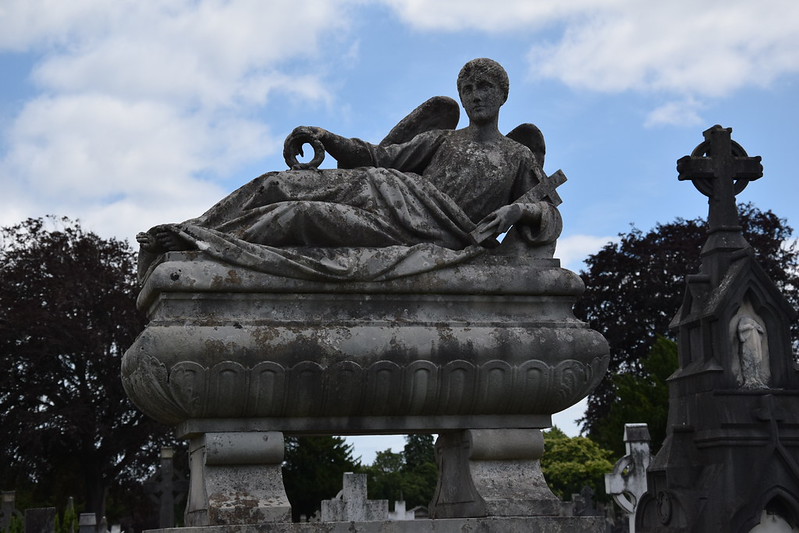
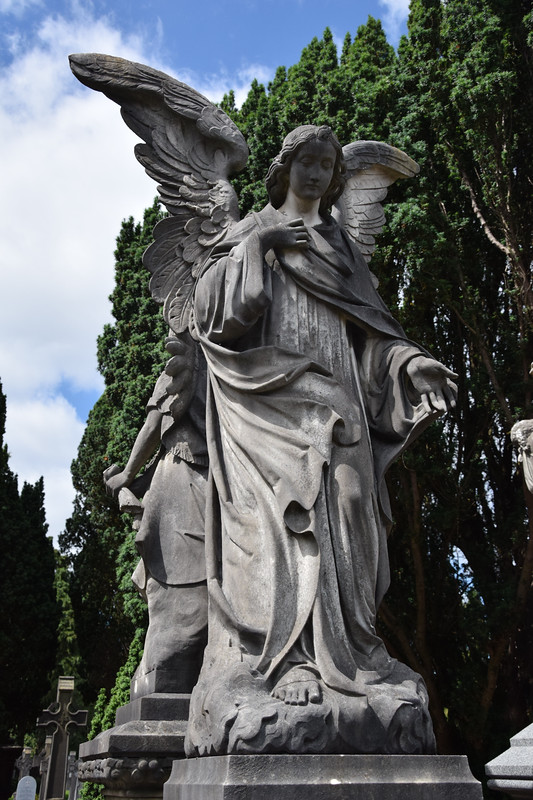
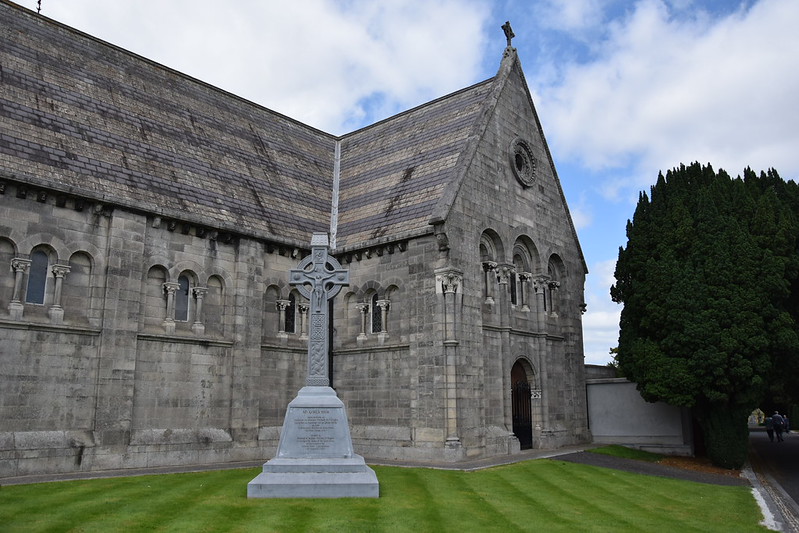
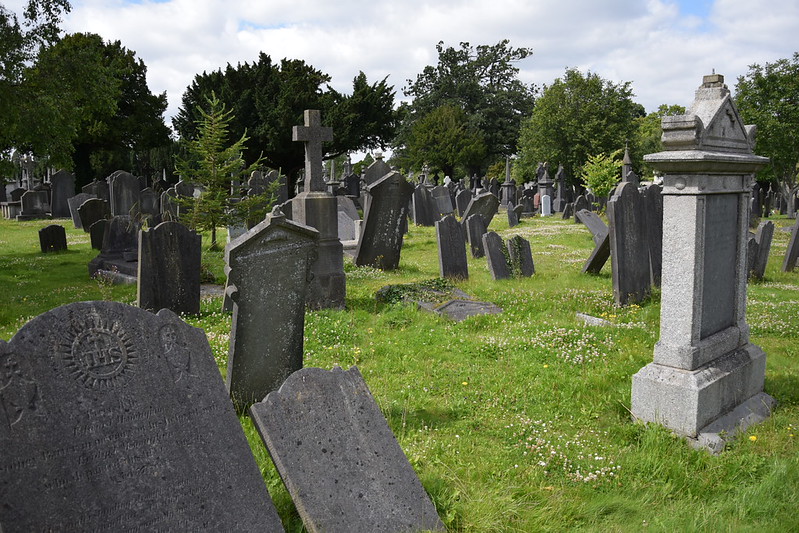
Glasnevin Cemetery is Dublin’s national necropolis and one of the city’s most important literary landscapes. It is a place where memory, history, and everyday life meet – right beside The Gravediggers pub.
Established in 1832, Glasnevin is the final resting place of over a million people, including many important cultural and political figures from Ireland. It is therefore not only a burial ground, but also a place of national memory.
Glasnevin Cemetery also has personal meaning in the life of James Joyce. His parents, John Stanislaus Joyce and Mary Jane ‘May’ Joyce, are buried there, which adds a more intimate, family dimension to the writer’s connection with the place and the city.
The Gravediggers pub – history at the gates of Glasnevin Cemetery
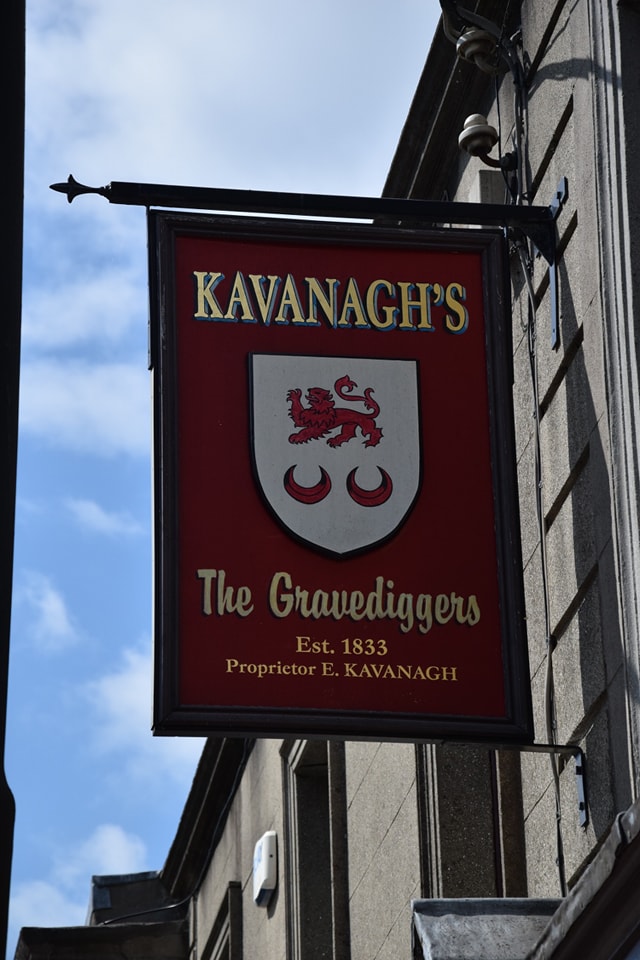
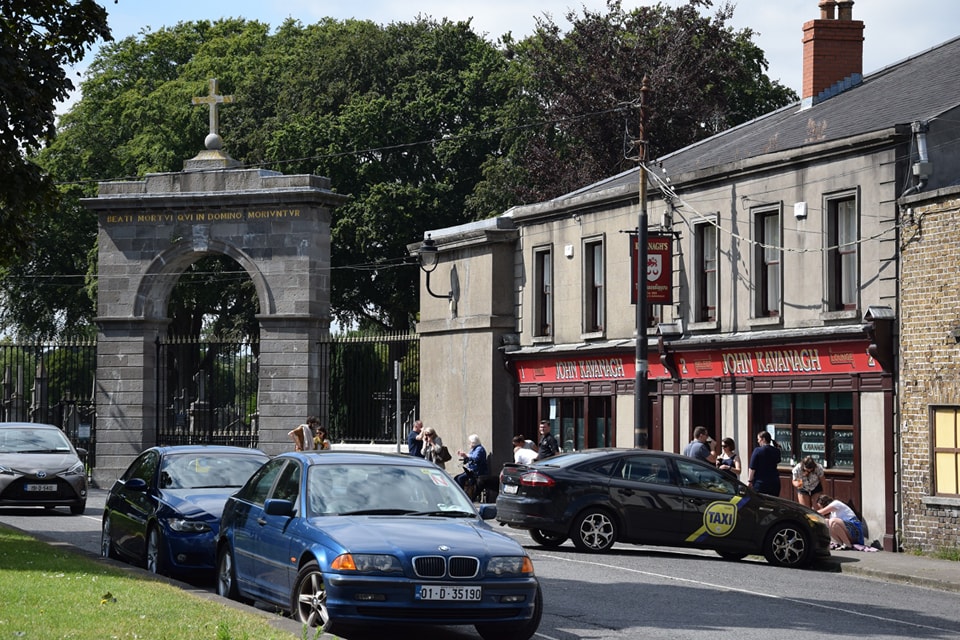
Right next to one of the cemetery gates is a pub with the charming name ‘The Gravediggers’, founded by John Kavanagh in 1833. Kavanagh had a knack for business, because not only did he open a bar that attracted mourners and served the gravediggers who worked at the cemetery, but he also bought the land around it to prevent any potential competition in the immediate vicinity.
The pub is named after the cemetery workers who were so keen to use its services. So keen that the main gate was eventually moved to another location, and a special window was made in the pub’s wall through which gravediggers could order beer by knocking on it with a shovel. Today, the pub’s guests are mostly tourists visiting the cemetery.
Between literature and everyday life
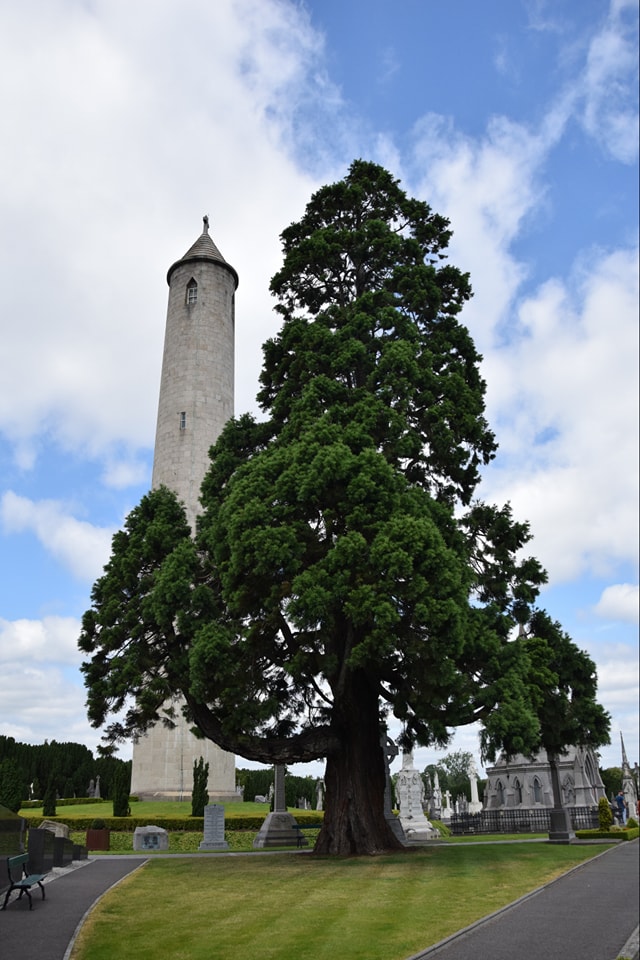
However, James Joyce does not mention The Gravediggers in his famous novel Ulysses although one of the characteristic scenes – the funeral of Paddy Dignam (Episode 6, Hades) – takes place in Glasnevin Cemetery.
The O’Connell circle, Mr Dedalus said about him. (…)
Mr Bloom walked unheeded along his grove by saddened angels, crosses, broken pillars, family vaults, stone hopes praying with upcast eyes, old Ireland’s hearts and hands. (…)
How many! All these here once walked round Dublin. Faithful departed. As you are now so once were we. (…)
The gates glimmered in front: still open. Back to the world again. Enough of this place. (…)
Thank you. How grand we are this morning!
James Joyce, Ulysses
In the pub itself, part of the action of the novel Dublinesque by the Spanish writer Enrique Vila-Matas takes place.
The story follows Samuel Riba, a retired Spanish publisher who loves books and worries about the decline of the literary world. He travels to Dublin with a few friends to hold a mock funeral for the ‘Gutenberg era’ – the age of printed books – inspired by Ulysses and the work of James Joyce.
While in Dublin, they visit real places linked to Ulysses, including ‘The Gravediggers’. Vila-Matas uses the pub as both a real setting and a symbol – a place between life and death, past and present – which suits a story about endings: of people, books, and times gone by.
All photographs by the author.
For another Joyce-related place in Dublin, visit The House of the Dead: A Joyce Literary Landmark in Dublin
If you find my work valuable, you can support it here:


Leave a Reply